Skip to content
Free Tools

Decorating an apartment can become expensive surprisingly quickly. A new rug leads to new pillows, the empty wall needs artwork, and suddenly a simple refresh feels like a full renovation.

The good news is that apartment decorating on a budget is less about buying dozens of inexpensive items and more about choosing a few changes that improve the entire room. Rearranging furniture, adding warmer lighting, hanging curtains correctly, and displaying meaningful objects can make a basic rental feel personal without risking your security deposit.

These ideas include renter-friendly wall treatments, secondhand furniture, affordable textiles, practical storage, and small updates for the kitchen, bathroom, entryway, and balcony.

15 Apartment Decorating on a Budget Ideas

1. Rearrange What You Already Own

Before buying anything, empty unnecessary surfaces and reconsider the furniture layout. Moving a sofa away from the wall, shifting a dresser into the entryway, or placing a chair near a window can make familiar furniture feel new.

Use painter’s tape to mark possible furniture positions before moving heavy pieces. In a studio apartment, arrange the sofa or an open bookcase so it gently separates the sleeping and living areas without blocking light.

I like this approach because it costs nothing and reveals what the room actually needs. After rearranging, you may discover that the missing element is simply a lamp or larger piece of art rather than an entirely new furniture set.

2. Choose a Simple Whole-Apartment Color Palette

A limited color palette helps inexpensive and secondhand pieces look related. Start with two neutral foundation colors, then choose one or two accents that can appear throughout the apartment.

For a warm, calm look, try ivory, oatmeal, muted sage, soft terracotta, natural oak, and small touches of matte black. Repeat the accent colors through pillow covers, towels, plant pots, framed art, and kitchen accessories.

You do not need every item to match. The goal is to create enough repetition that furniture collected at different times still feels intentional.

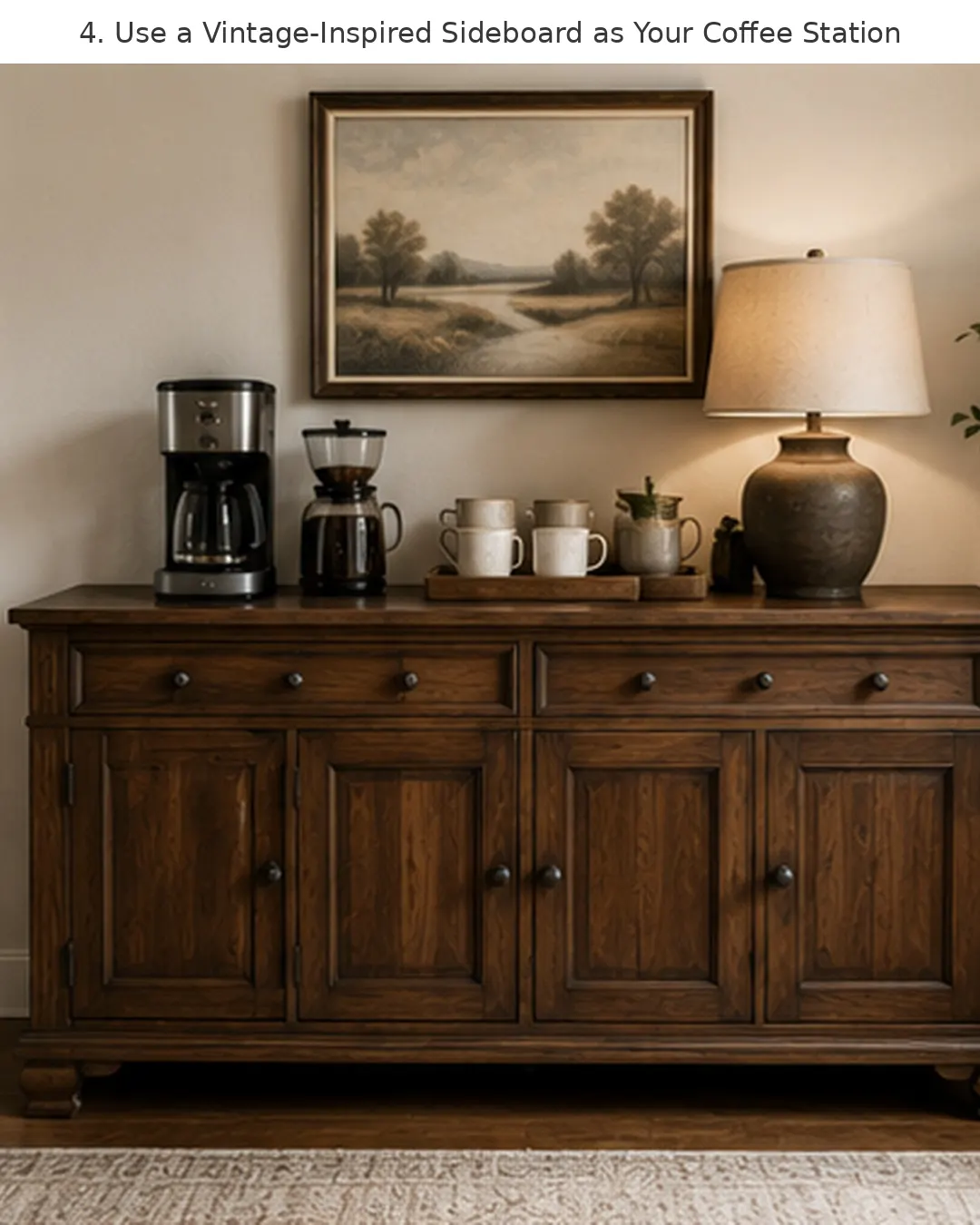
3. Shop Secondhand for One Statement Piece

Thrift stores, estate sales, neighborhood marketplaces, and architectural salvage shops can offer better-quality pieces than many inexpensive new furniture ranges. Look for solid wood side tables, vintage mirrors, ceramic lamps, framed artwork, and small cabinets.

Focus on shape and construction rather than the current finish. A scratched wood stool can be cleaned and refinished, while an old lamp may only need a new shade. Avoid upholstered furniture with strong odors, unexplained stains, pests, or structural damage.

One distinctive secondhand piece often gives a room more personality than several small decorative purchases.

Budget Tip

Create a written list before visiting a thrift store. Shopping for a specific item, such as a 30-inch-wide side table or a tall mirror, reduces impulse purchases that do not fit your apartment.

4. Anchor the Living Room With a Properly Sized Rug

A rug can soften hard rental flooring, reduce echo, and visually connect mismatched furniture. The common mistake is choosing a rug that is too small for the seating arrangement.

In most living rooms, the rug should extend beneath at least the front legs of the sofa and nearby chairs. Measure the furniture arrangement rather than the entire room, and mark the rug dimensions on the floor with painter’s tape before ordering.

Flatweave, low-pile, and washable rugs are practical for apartments and busy households. For additional layout inspiration, explore these layered rug living room ideas.

5. Hang Curtains Higher and Wider

Basic blinds can make an apartment feel unfinished. Curtain panels add softness, improve privacy, and can make a small window appear larger when the rod extends beyond the frame.

Hang the rod several inches above the window whenever the wall and lease rules allow. Extend it past both sides so open curtains sit beside the glass instead of covering natural light.

Affordable linen-look panels, cotton curtains, and plain floor-length drapes usually look more polished than short panels. Check the measurements carefully, because curtains that stop several inches above the floor can appear accidental.

6. Replace Harsh Overhead Light With Layered Lamps

One bright ceiling fixture rarely creates a comfortable atmosphere. Add light at several heights with a floor lamp, table lamp, desk light, or rechargeable wall sconce.

Choose bulbs with a similar warm color temperature so the rooms feel connected. A floor lamp beside the sofa can support reading, while a small lamp on a kitchen counter or entryway console creates a softer evening glow.

For a busy household, this is often one of the easiest upgrades to maintain. Lamps are portable, practical, and reusable in a future home.

Designer Tip

Place lighting near the activities it supports. A lamp beside a chair is more useful than one placed in an empty corner simply to fill space.

7. Add One Removable Wallpaper Focal Point

Removable wallpaper can give a plain apartment character without covering every wall. Use it behind the bed, inside a dining nook, along the back of a bookcase, or on a small entryway wall.

Choose a restrained pattern that works with the furniture you already own. Linen textures, narrow stripes, small botanicals, and soft geometric prints are usually easier to style than oversized, high-contrast designs.

Always read your lease, order a sample, and patch-test it on a hidden section. Adhesive products may react differently to textured, damaged, humid, or recently painted walls.

8. Create Affordable Art From Personal Materials

Artwork does not need to come from an expensive gallery. Frame travel photographs, postcards, fabric remnants, children’s drawings, pressed leaves, maps, or pages from damaged vintage books.

Use frames in one consistent color or mix no more than two or three finishes. Lay the arrangement on the floor before hanging it, and keep the spacing between frames even.

For renters, removable hanging strips may work for lightweight pieces when the product suits the frame weight and wall surface. A smaller, tightly arranged gallery wall generally looks more intentional than tiny frames scattered across a large wall.

9. Use Mirrors to Increase Light and Depth

A well-placed mirror can brighten a dim apartment by reflecting natural light and creating a greater sense of depth. Position it across from or beside a window rather than in a corner where it reflects clutter.

Large mirrors can be expensive, so check secondhand shops, discount home stores, and marketplace listings. A dated frame can often be refreshed with paint or a carefully applied metallic finish.

Secure leaning mirrors with appropriate anti-tip hardware, especially in homes with children or pets. Do not leave a heavy mirror unsecured simply because it is not permanently mounted.

Renter-Friendly Tip

Before using hooks, adhesive strips, wallpaper, or contact paper, test the product in a discreet area. Keep photographs of the original condition and save any removed hardware for move-out day.

10. Refresh a Small Floor Area With Peel-and-Stick Tile

Peel-and-stick floor tiles can update a compact kitchen, bathroom, laundry nook, or entry zone without replacing the entire floor. Quiet checkerboards, warm stone effects, and subtle terrazzo patterns can add interest while remaining easy to style.

The existing floor must be stable, smooth, clean, dry, and suitable for adhesive products. Order samples, test removal in a hidden spot, and choose tiles rated for floors rather than decorative wall stickers.

Plan the pattern from a straight reference line before removing the backing. DecorFixer’s guide to peel-and-stick floor tile ideas offers more pattern and placement inspiration.

11. Build a Small Entryway With a Mirror and Landing Zone

Many apartments open directly into the living room, but you can still create the feeling of an entryway. Place a narrow console, wall-friendly shelf, or compact bench beside the door.

Add a tray for keys, a basket for reusable bags, and a mirror for a final check before leaving. Keep the furniture shallow enough that the door and walking path remain clear.

Wall hooks can hold lightweight coats and bags, but follow the stated weight limits and installation instructions. Find more functional layout options in these DIY entryway makeover ideas.

12. Give the Kitchen a Small Hardware and Counter Refresh

A rental kitchen often looks better after editing rather than adding. Clear appliances you rarely use, group cooking utensils in one container, and leave a section of the counter open for food preparation.

When permitted, replace dated cabinet knobs with affordable hardware in brushed brass, warm nickel, matte black, or antique bronze. Measure the existing screw spacing and store the original hardware in a labeled bag.

A washable runner, small lamp, wood cutting board, and ceramic utensil holder can soften basic cabinets without creating permanent changes. Avoid covering every counter with decorative objects; working space is part of a well-designed kitchen.

Organization Tip

Decorative storage should still have a clear purpose. Assign each basket, tray, box, or cabinet a category so attractive containers do not become places where random clutter disappears.

13. Update the Bathroom With Textiles and No-Drill Storage

A coordinated shower curtain, bath mat, hand towel, and small tray can make a basic bathroom feel calmer without changing any fixtures. Choose two or three related colors and repeat them sparingly.

Clear the vanity before adding decor. Keep daily products on a compact tray and move backups into an under-sink bin, over-the-door organizer, or narrow rolling cart.

Adhesive hooks, tension-pole caddies, and freestanding shelves can help renters use vertical space, but every product should suit the surface and expected weight. These no-drill bathroom storage ideas provide additional small-space solutions.

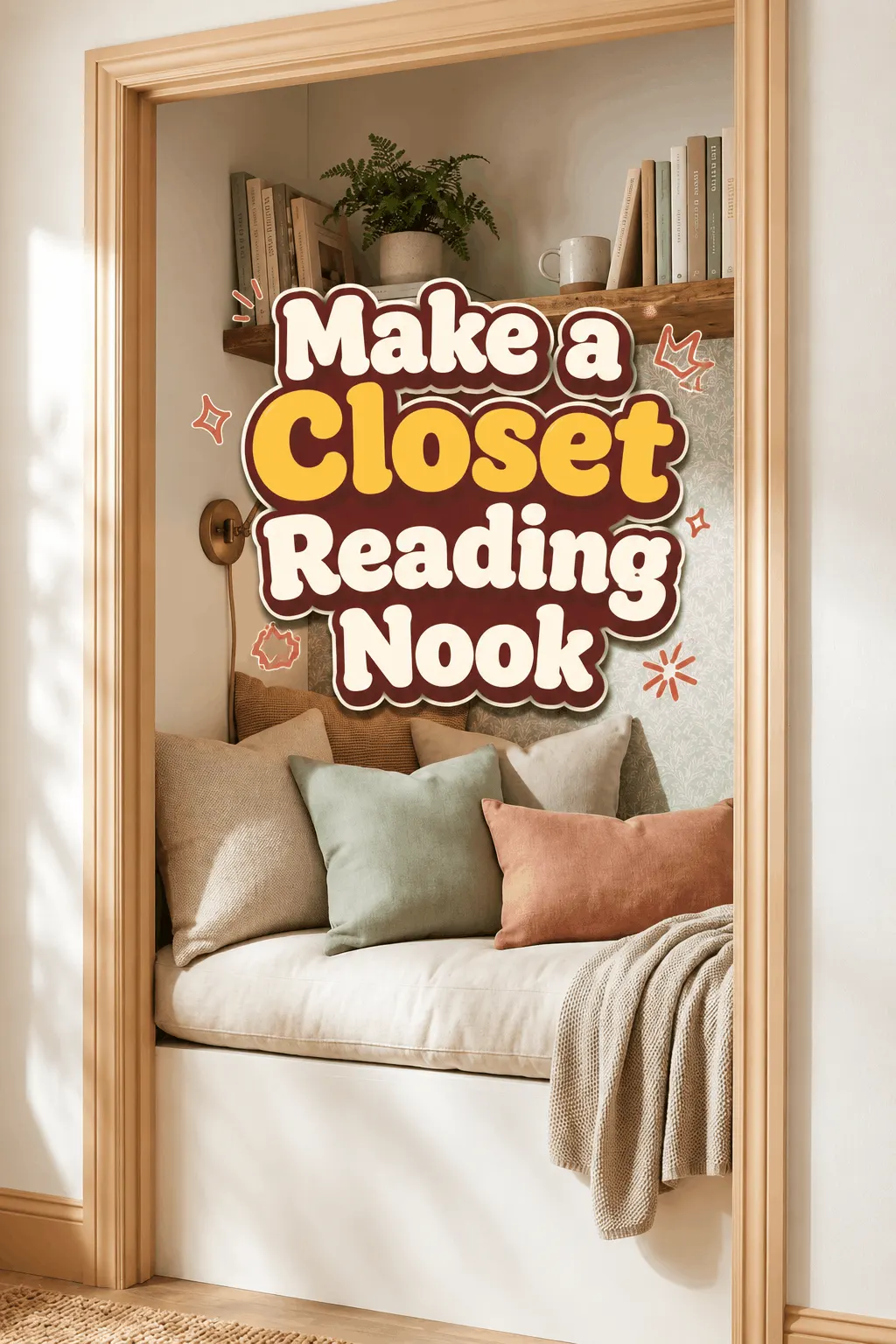
14. Turn an Empty Corner Into a Reading Nook

A neglected bedroom or living-room corner can become useful with a chair, small table, light source, and basket. Shop your apartment first; an occasional chair from another room may be all you need.

Use a floor lamp when wall installation is not possible. A small washable rug or throw blanket can define the area and make the corner feel separate from the rest of the room.

Keep the setup simple. One comfortable seat, one practical light, and a place for a drink or book are usually enough. Too many pillows and accessories can make a small nook harder to use.

15. Treat the Balcony Like a Small Outdoor Room

An apartment balcony can become a useful extension of the living space with one clear purpose. Decide whether you want a reading chair, coffee spot, herb garden, or occasional dining area before buying furniture.

Choose folding chairs, a narrow bench, or a compact bistro table that leaves a safe walking path. Add an outdoor-rated rug, weather-suitable cushions, and a few plants matched to the actual sunlight.

Check building rules before attaching planters, privacy screens, or lighting to railings. For practical planning ideas, see these balcony makeover ideas for apartments.

Maintenance Tip

Keep a small donation box in a closet. When a decorative item no longer works in the apartment, place it in the box rather than moving it repeatedly from one crowded surface to another.

Conclusion

Successful apartment decorating on a budget begins with one useful improvement rather than a cart full of accessories. Rearrange the furniture, replace harsh lighting, frame something meaningful, or create a proper landing zone beside the door.

Once that first change is working, move to the next area. A comfortable apartment develops gradually through good scale, repeated colors, practical storage, and objects that reflect the people living there.

For more temporary updates that can move with you, explore these rental-friendly home upgrades.

FAQ

How can I decorate an apartment with almost no money?

Begin by decluttering, rearranging furniture, and moving decor between rooms. Frame personal photographs, restyle books, display useful kitchen pieces, and use plants or branches from safe, permitted sources.

What should I buy first when decorating an apartment?

Start with the item that solves the room’s biggest problem. That may be a properly sized rug, better lighting, curtains, storage baskets, or a comfortable chair. Avoid buying small accessories before the basic layout works.

How do I make inexpensive apartment decor look cohesive?

Use a limited color palette and repeat two or three materials throughout the home. Similar wood tones, woven textures, ceramics, black accents, or warm metals can connect pieces bought from different places.

Can renters use peel-and-stick wallpaper and floor tiles?

Some renters can, but lease rules and surfaces vary. Obtain permission when required, follow the manufacturer’s instructions, and patch-test products before covering a large area. Removable does not guarantee damage-free removal.

How can I decorate a small apartment without making it cluttered?

Choose fewer, larger decorative pieces instead of many tiny accessories. Keep pathways clear, use closed storage for visually busy items, and leave some shelves and surfaces partially empty.

How do I make a rental apartment feel more personal?

Display photographs, artwork, books, textiles, and objects connected to your experiences. Replace temporary details such as lampshades, cabinet knobs, and shower curtains when permitted, while safely storing anything that belongs to the property.

Which apartment decorating ideas are easiest to take when moving?

Rugs, curtains, lamps, mirrors, framed art, baskets, removable cushion covers, freestanding shelves, and compact tables can usually move to a new home. Choose adaptable dimensions and timeless colors when possible.

Image Generation Form

Main Color Palette: Warm ivory, oatmeal beige, muted sage, soft terracotta, natural oak, warm walnut, and restrained matte-black accents.

Image Prompt 1: Rearrange What You Already Own

Create a realistic vertical editorial blog image for “Rearrange What You Already Own.” Show a small apartment living room with an existing neutral sofa pulled slightly away from the wall, an angled accent chair near a window, a reused side table, and an open walking path. The scene should include a simple rug, one floor lamp, a leafy plant, and thoughtfully repositioned everyday furniture rather than newly matched pieces. Use warm ivory, oatmeal beige, muted sage, soft terracotta, natural oak, and matte-black accents, natural daylight, soft shadows, realistic textures, and a clean Pinterest-friendly composition. The image should feel premium, warm, practical, achievable, and original, like a professional DecorFixer home and lifestyle photograph. No text, no logos, no watermark. Aspect ratio 1080×1350.

Alt Text: Rearranged budget apartment living room with a neutral sofa, accent chair, rug, lamp, and open layout.

Image File Name: rearrange-apartment-furniture-on-a-budget.jpg

Image Prompt 2: Choose a Simple Whole-Apartment Color Palette

Create a realistic vertical editorial blog image for “Choose a Simple Whole-Apartment Color Palette.” Show a cohesive apartment living and dining area using warm ivory walls, an oatmeal sofa, muted sage pillows, soft terracotta ceramics, natural oak furniture, and small matte-black details. The scene should include repeated colors across textiles, artwork, tableware, and decor without appearing overly matched. Use the main color palette, natural daylight, soft shadows, realistic textures, and a clean Pinterest-friendly composition. The image should feel premium, warm, practical, achievable, and original, like a professional DecorFixer home and lifestyle photograph. No text, no logos, no watermark. Aspect ratio 1080×1350.

Alt Text: Cohesive small apartment decorated with ivory, sage, terracotta, natural wood, and black accents.

Image File Name: cohesive-apartment-color-palette-ideas.jpg

Image Prompt 3: Shop Secondhand for One Statement Piece

Create a realistic vertical editorial blog image for “Shop Secondhand for One Statement Piece.” Show a cozy apartment corner centered around a distinctive vintage wood cabinet with subtle age and character, styled with a ceramic lamp, framed art, books, and one plant. Surround it with simple modern furnishings so the secondhand piece becomes the clear focal point. Use the main color palette, natural daylight, soft shadows, realistic wood grain, and a clean Pinterest-friendly composition. The image should feel premium, warm, practical, achievable, and original, like a professional DecorFixer home and lifestyle photograph. No text, no logos, no watermark. Aspect ratio 1080×1350.

Alt Text: Vintage wood cabinet used as an affordable statement piece in a modern apartment.

Image File Name: secondhand-statement-furniture-apartment-decor.jpg

Image Prompt 4: Anchor the Living Room With a Properly Sized Rug

Create a realistic vertical editorial blog image for “Anchor the Living Room With a Properly Sized Rug.” Show a compact apartment living room with a large low-pile rug extending beneath the front legs of a sofa and two lightweight chairs. The furniture should form a balanced conversation area with a small wood coffee table, textured pillows, and minimal decor. Use the main color palette, natural daylight, soft shadows, realistic woven textures, and a clean Pinterest-friendly composition. The image should feel premium, warm, practical, achievable, and original, like a professional DecorFixer home and lifestyle photograph. No text, no logos, no watermark. Aspect ratio 1080×1350.

Alt Text: Small apartment living room anchored by a properly sized neutral area rug.

Image File Name: properly-sized-rug-small-apartment-living-room.jpg

Image Prompt 5: Hang Curtains Higher and Wider

Create a realistic vertical editorial blog image for “Hang Curtains Higher and Wider.” Show a small apartment window framed by full-length linen-look curtains mounted several inches above and beyond the window frame. Include a slim sofa, a side table, and daylight flowing through the uncovered glass. Use the main color palette, natural daylight, soft shadows, realistic fabric folds, and a clean Pinterest-friendly composition. The image should feel premium, warm, practical, achievable, and original, like a professional DecorFixer home and lifestyle photograph. No text, no logos, no watermark. Aspect ratio 1080×1350.

Alt Text: Floor-length curtains hung high and wide around a small apartment window.

Image File Name: hang-apartment-curtains-high-and-wide.jpg

Image Prompt 6: Replace Harsh Overhead Light With Layered Lamps

Create a realistic vertical editorial blog image for “Replace Harsh Overhead Light With Layered Lamps.” Show an inviting apartment living room at early evening with a floor lamp beside the sofa, a ceramic table lamp on a side table, and a small accent light near a bookshelf. The overhead fixture should be off while the lamps create a soft, warm atmosphere at different heights. Use the main color palette, gentle window light, warm practical lighting, soft shadows, realistic textures, and a clean Pinterest-friendly composition. The image should feel premium, warm, practical, achievable, and original, like a professional DecorFixer home and lifestyle photograph. No text, no logos, no watermark. Aspect ratio 1080×1350.

Alt Text: Cozy apartment living room illuminated with layered floor and table lamps.

Image File Name: layered-lighting-budget-apartment-decor.jpg

Image Prompt 7: Add One Removable Wallpaper Focal Point

Create a realistic vertical editorial blog image for “Add One Removable Wallpaper Focal Point.” Show a renter-friendly bedroom with a single removable wallpaper accent wall behind a simple upholstered bed. Use a subtle muted-sage botanical or linen-inspired pattern, warm neutral bedding, oak nightstands, and restrained black lighting. Use the main color palette, natural daylight, soft shadows, realistic wallpaper and textile textures, and a clean Pinterest-friendly composition. The image should feel premium, warm, practical, achievable, and original, like a professional DecorFixer home and lifestyle photograph. No text, no logos, no watermark. Aspect ratio 1080×1350.

Alt Text: Renter-friendly apartment bedroom with a subtle removable wallpaper accent wall.

Image File Name: removable-wallpaper-apartment-bedroom-idea.jpg

Image Prompt 8: Create Affordable Art From Personal Materials

Create a realistic vertical editorial blog image for “Create Affordable Art From Personal Materials.” Show a curated gallery wall above a narrow apartment console using framed travel photos, abstract paper art, a small textile piece, and pressed botanical artwork. The frames should use natural wood and thin matte-black finishes with even spacing. Use the main color palette, natural daylight, soft shadows, realistic paper and frame textures, and a clean Pinterest-friendly composition. The image should feel premium, warm, practical, achievable, and original, like a professional DecorFixer home and lifestyle photograph. No readable text, no logos, no watermark. Aspect ratio 1080×1350.

Alt Text: Affordable apartment gallery wall made with personal photos, fabric, and botanical art.

Image File Name: affordable-personal-gallery-wall-apartment.jpg

Image Prompt 9: Use Mirrors to Increase Light and Depth

Create a realistic vertical editorial blog image for “Use Mirrors to Increase Light and Depth.” Show a narrow apartment living room with a large arched mirror securely positioned opposite a bright window. The mirror should reflect daylight, a leafy plant, and a tidy seating area rather than clutter. Include a slim wood frame, neutral sofa, and minimal accessories. Use the main color palette, natural daylight, soft shadows, realistic glass reflections, and a clean Pinterest-friendly composition. The image should feel premium, warm, practical, achievable, and original, like a professional DecorFixer home and lifestyle photograph. No text, no logos, no watermark. Aspect ratio 1080×1350.

Alt Text: Large arched mirror reflecting daylight in a narrow apartment living room.

Image File Name: apartment-mirror-ideas-for-more-light.jpg

Image Prompt 10: Refresh a Small Floor Area With Peel-and-Stick Tile

Create a realistic vertical editorial blog image for “Refresh a Small Floor Area With Peel-and-Stick Tile.” Show a compact rental kitchen with a neatly installed warm beige-and-ivory checkerboard peel-and-stick floor. Include simple cabinets, a small wood stool, a linen towel, and one muted-sage ceramic accessory. Use the main color palette, natural daylight, soft shadows, realistic vinyl tile and cabinet textures, and a clean Pinterest-friendly composition. The image should feel premium, warm, practical, achievable, and original, like a professional DecorFixer home and lifestyle photograph. No text, no logos, no watermark. Aspect ratio 1080×1350.

Alt Text: Small rental kitchen refreshed with beige checkerboard peel-and-stick floor tiles.

Image File Name: peel-and-stick-floor-tile-rental-kitchen.jpg

Image Prompt 11: Build a Small Entryway With a Mirror and Landing Zone

Create a realistic vertical editorial blog image for “Build a Small Entryway With a Mirror and Landing Zone.” Show an apartment entrance with a shallow oak console, round mirror, small key tray, woven basket, two lightweight wall hooks, and neatly stored shoes. Keep the doorway and walking path visibly clear. Use the main color palette, natural daylight, soft shadows, realistic materials, and a clean Pinterest-friendly composition. The image should feel premium, warm, practical, achievable, and original, like a professional DecorFixer home and lifestyle photograph. No text, no logos, no watermark. Aspect ratio 1080×1350.

Alt Text: Small apartment entryway with a narrow console, mirror, basket, hooks, and shoe storage.

Image File Name: small-apartment-entryway-budget-decor.jpg

Image Prompt 12: Give the Kitchen a Small Hardware and Counter Refresh

Create a realistic vertical editorial blog image for “Give the Kitchen a Small Hardware and Counter Refresh.” Show a tidy rental kitchen with basic cabinets updated using refined warm-metal knobs, a clear preparation area, a ceramic utensil holder, wood cutting board, small lamp, and washable runner. Use the main color palette, natural daylight, soft shadows, realistic cabinet and countertop textures, and a clean Pinterest-friendly composition. The image should feel premium, warm, practical, achievable, and original, like a professional DecorFixer home and lifestyle photograph. No text, no logos, no watermark. Aspect ratio 1080×1350.

Alt Text: Budget rental kitchen refresh with new hardware, clear counters, a lamp, and warm accessories.

Image File Name: budget-rental-kitchen-counter-refresh.jpg

Image Prompt 13: Update the Bathroom With Textiles and No-Drill Storage

Create a realistic vertical editorial blog image for “Update the Bathroom With Textiles and No-Drill Storage.” Show a compact apartment bathroom with a textured shower curtain, coordinated towels, a washable bath mat, a slim rolling cart, and a tidy vanity tray. Include renter-friendly storage without visible drilling. Use the main color palette, natural daylight, soft shadows, moisture-appropriate realistic materials, and a clean Pinterest-friendly composition. The image should feel premium, warm, practical, achievable, and original, like a professional DecorFixer home and lifestyle photograph. No text, no logos, no watermark. Aspect ratio 1080×1350.

Alt Text: Small rental bathroom updated with coordinated textiles and no-drill storage.

Image File Name: budget-apartment-bathroom-decor-storage.jpg

Image Prompt 14: Turn an Empty Corner Into a Reading Nook

Create a realistic vertical editorial blog image for “Turn an Empty Corner Into a Reading Nook.” Show an underused apartment corner transformed with a slim upholstered chair, small round wood table, floor lamp, woven book basket, soft throw, and compact rug. Keep the styling restrained and the walking path open. Use the main color palette, natural daylight, soft shadows, realistic textile and wood textures, and a clean Pinterest-friendly composition. The image should feel premium, warm, practical, achievable, and original, like a professional DecorFixer home and lifestyle photograph. No text, no logos, no watermark. Aspect ratio 1080×1350.

Alt Text: Affordable apartment reading nook with a chair, lamp, side table, rug, and book basket.

Image File Name: budget-apartment-reading-nook-corner.jpg

Image Prompt 15: Treat the Balcony Like a Small Outdoor Room

Create a realistic vertical editorial blog image for “Treat the Balcony Like a Small Outdoor Room.” Show a narrow apartment balcony arranged as a simple coffee spot with two folding bistro chairs, a compact table, outdoor rug, secure planters, and one rechargeable lamp. Keep the floor open and the furniture properly scaled. Use the main color palette, soft morning daylight, realistic outdoor materials, gentle shadows, and a clean Pinterest-friendly composition. The image should feel premium, warm, practical, achievable, and original, like a professional DecorFixer home and lifestyle photograph. No text, no logos, no watermark. Aspect ratio 1080×1350.

Alt Text: Budget apartment balcony decorated with folding seating, plants, an outdoor rug, and a small table.

Image File Name: budget-apartment-balcony-decor-ideas.jpg

Featured Image Prompt

Create a realistic, high-quality vertical blog featured image for “15 Apartment Decorating on a Budget Ideas.” Show a visually clear and cohesive small apartment living area representing the article as a whole, including a properly sized rug, thrifted wood furniture, a slim sofa, layered lamps, full-length curtains, framed personal art, a large mirror, woven storage baskets, plants, and renter-friendly decor. Style: premium home and lifestyle editorial, natural daylight, clean composition, warm and inviting, Pinterest-friendly, no text on image, no logos, no watermark, realistic materials and textures, a clear focal point, soft shadows, and modern but timeless styling. Use warm ivory, oatmeal beige, muted sage, soft terracotta, natural oak, warm walnut, and restrained matte-black accents. Camera angle: medium-wide three-quarter view. Aspect ratio 1080×1350. The image should look like an original editorial photograph suitable for a professional DecorFixer featured image.

Featured Image Alt Text: Warm budget-friendly apartment living room with a rug, thrifted furniture, curtains, lamps, art, mirror, and woven storage.

Featured Image File Name: apartment-decorating-on-a-budget-featured-image.jpg

Pinterest Pin Titles and Descriptions

Pinterest Pin 1: Rearrange What You Already Own

Pinterest Title: Free Apartment Makeover Using What You Own

Pinterest Description: Start your apartment refresh without buying new furniture. This layout idea shows how repositioning a sofa, chair, lamp, and side table can make a small room feel more open and intentional.

Hashtags: #ApartmentMakeover #BudgetDecor #SmallSpaceLiving #FurnitureLayout #RentalDecor

Pinterest Pin 2: Choose a Simple Whole-Apartment Color Palette

Pinterest Title: A Budget Color Palette for a Cohesive Apartment

Pinterest Description: Connect mismatched and secondhand furniture with a simple apartment color palette. The complete article shares practical decorating ideas using warm neutrals, sage, terracotta, wood, and black accents.

Hashtags: #ApartmentColorPalette #AffordableDecor #CozyApartment #HomeColorIdeas #SmallApartmentStyle

Pinterest Pin 3: Shop Secondhand for One Statement Piece

Pinterest Title: Secondhand Apartment Decor That Looks Collected

Pinterest Description: Give a basic apartment more personality with one well-chosen vintage or thrifted piece. Discover how to shop for affordable furniture and style it alongside simple modern decor.

Hashtags: #ThriftedHomeDecor #SecondhandFurniture #VintageApartment #BudgetHomeDecor #CollectedHome

Pinterest Pin 4: Anchor the Living Room With a Properly Sized Rug

Pinterest Title: How to Choose a Rug for a Small Apartment

Pinterest Description: A properly sized rug can connect your sofa, chairs, and coffee table while making the room feel larger. Explore more apartment decorating on a budget ideas for cozy, practical living spaces.

Hashtags: #ApartmentRug #LivingRoomLayout #SmallLivingRoom #BudgetDecorating #CozyHomeIdeas

Pinterest Pin 5: Hang Curtains Higher and Wider

Pinterest Title: Make Apartment Windows Look Bigger With Curtains

Pinterest Description: Hanging curtains higher and wider can make rental windows appear taller and bring softness to the room. See how to measure, place, and style affordable panels in a small apartment.

Hashtags: #ApartmentCurtains #RentalFriendlyDecor #WindowTreatmentIdeas #SmallSpaceStyle #BudgetApartment

Pinterest Pin 6: Replace Harsh Overhead Light With Layered Lamps

Pinterest Title: Cozy Apartment Lighting Without Rewiring

Pinterest Description: Replace the feeling of one harsh ceiling light with warm lamps at several heights. The full guide includes budget lighting, furniture, textile, and renter-friendly decor ideas.

Hashtags: #ApartmentLighting #CozyLighting #RentalUpgrades #BudgetHomeIdeas #WarmInteriors

Pinterest Pin 7: Add One Removable Wallpaper Focal Point

Pinterest Title: Removable Wallpaper Ideas for Rental Apartments

Pinterest Description: Create a bedroom or living-room focal point with one carefully chosen removable wallpaper pattern. Learn how to keep the design balanced and reduce the risk of damaging rental walls.

Hashtags: #RemovableWallpaper #RentalApartment #AccentWallIdeas #RenterFriendly #ApartmentDecor

Pinterest Pin 8: Create Affordable Art From Personal Materials

Pinterest Title: Affordable Gallery Wall Ideas for Apartments

Pinterest Description: Frame photographs, fabric, botanical pieces, and meaningful paper items to create personal apartment art. The complete article shares easy ways to decorate blank walls without overspending.

Hashtags: #GalleryWallIdeas #AffordableWallArt #ApartmentWalls #DIYHomeDecor #PersonalizedDecor

Pinterest Pin 9: Use Mirrors to Increase Light and Depth

Pinterest Title: Make a Small Apartment Brighter With Mirrors

Pinterest Description: Position a large mirror where it reflects daylight and a tidy part of the room. Find more practical ideas for making a compact apartment feel open, warm, and thoughtfully decorated.

Hashtags: #MirrorDecor #SmallApartmentIdeas #BrightInteriors #RentalDecorIdeas #SpaceEnhancingDecor

Pinterest Pin 10: Refresh a Small Floor Area With Peel-and-Stick Tile

Pinterest Title: Budget Peel-and-Stick Floor Ideas for Renters

Pinterest Description: Refresh a small kitchen, bathroom, or entryway with a carefully planned peel-and-stick floor. The article explains where temporary tiles work best and what to check before installation.

Hashtags: #PeelAndStickTile #RentalFlooring #BudgetRenovation #ApartmentKitchen #RenterFriendlyDIY

Pinterest Pin 11: Build a Small Entryway With a Mirror and Landing Zone

Pinterest Title: Small Apartment Entryway Ideas on a Budget

Pinterest Description: Create a useful landing zone with a narrow console, mirror, tray, hooks, and basket. Explore affordable apartment ideas that organize daily essentials without blocking the walkway.

Hashtags: #SmallEntryway #ApartmentOrganization #EntrywayDecor #BudgetStorage #RentalHome

Pinterest Pin 12: Give the Kitchen a Small Hardware and Counter Refresh

Pinterest Title: Easy Rental Kitchen Refresh on a Small Budget

Pinterest Description: Clear crowded counters, update removable hardware, and add a few warm accessories to improve a basic apartment kitchen. The full collection includes practical decorating ideas for every room.

Hashtags: #RentalKitchen #KitchenRefresh #BudgetKitchenIdeas #ApartmentDecorating #SmallKitchenStyle

Pinterest Pin 13: Update the Bathroom With Textiles and No-Drill Storage

Pinterest Title: Budget Bathroom Decor for Small Apartments

Pinterest Description: Coordinate towels, a shower curtain, a bath mat, and no-drill storage for a calmer rental bathroom. Discover simple decorating and organization ideas that do not require a full remodel.

Hashtags: #ApartmentBathroom #NoDrillStorage #BudgetBathroom #RentalOrganization #SmallBathroomIdeas

Pinterest Pin 14: Turn an Empty Corner Into a Reading Nook

Pinterest Title: Create a Budget Reading Nook in Any Corner

Pinterest Description: Use a chair, lamp, small table, basket, and soft textile to transform an unused apartment corner. The complete guide shows how to make small spaces feel personal without filling them with clutter.

Hashtags: #ReadingNook #ApartmentCorner #CozyHomeDecor #SmallSpaceIdeas #BudgetDecor

Pinterest Pin 15: Treat the Balcony Like a Small Outdoor Room

Pinterest Title: Affordable Apartment Balcony Decorating Ideas

Pinterest Description: Turn a narrow balcony into a practical coffee or reading spot with scaled furniture, plants, and an outdoor rug. Explore budget apartment decor ideas for both indoor and outdoor spaces.

Hashtags: #ApartmentBalcony #BalconyDecor #SmallOutdoorSpace #BudgetPatio #RentalLiving

Featured Image Pinterest Pin

Pinterest Title: 15 Apartment Decorating on a Budget Ideas

Pinterest Description: Make a rental feel personal with affordable rugs, curtains, lighting, mirrors, thrifted furniture, wall art, storage, and removable updates. Explore 15 practical ideas for decorating a small apartment without unnecessary spending.

Hashtags: #ApartmentDecoratingOnABudget #BudgetApartment #RentalDecor #AffordableHomeDecor #SmallSpaceLiving

SEO Title: 15 Apartment Ded finds, renter-friendly upgrades, smart lighting, and cozy storage.

URL Slug: apartment-decorating-on-a-budget

Search Intent: Informational

Target Audience: Apartment renters, first-time renters, students, busy families, budget decorators, and small-space dwellers

Suggested Category: Rental Upgrades

Suggested Tags: apartment decor, budget decorating, renter-friendly decor, small-space decorating, affordable home decor

15 Apartment Decorating on a Budget Ideas

Introduction

Decorating an apartment can become expensive surprisingly quickly. A new rug leads to new pillows, the empty wall needs artwork, and suddenly a simple refresh feels like a full renovation.

The good news is that apartment decorating on a budget is less about buying dozens of inexpensive items and more about choosing a few changes that improve the entire room. Rearranging furniture, adding warmer lighting, hanging curtains correctly, and displaying meaningful objects can make a basic rental feel personal without risking your security deposit.

These ideas include renter-friendly wall treatments, secondhand furniture, affordable textiles, practical storage, and small updates for the kitchen, bathroom, entryway, and balcony.

Disclosure: This article may contain affiliate links. We may earn a commission at no extra cost to you.

Table of Contents

15 Apartment Decorating on a Budget Ideas

1. Rearrange What You Already Own

Before buying anything, empty unnecessary surfaces and reconsider the furniture layout. Moving a sofa away from the wall, shifting a dresser into the entryway, or placing a chair near a window can make familiar furniture feel new.

Use painter’s tape to mark possible furniture positions before moving heavy pieces. In a studio apartment, arrange the sofa or an open bookcase so it gently separates the sleeping and living areas without blocking light.

I like this approach because it costs nothing and reveals what the room actually needs. After rearranging, you may discover that the missing element is simply a lamp or larger piece of art rather than an entirely new furniture set.

2. Choose a Simple Whole-Apartment Color Palette

A limited color palette helps inexpensive and secondhand pieces look related. Start with two neutral foundation colors, then choose one or two accents that can appear throughout the apartment.

For a warm, calm look, try ivory, oatmeal, muted sage, soft terracotta, natural oak, and small touches of matte black. Repeat the accent colors through pillow covers, towels, plant pots, framed art, and kitchen accessories.

You do not need every item to match. The goal is to create enough repetition that furniture collected at different times still feels intentional.

3. Shop Secondhand for One Statement Piece

Thrift stores, estate sales, neighborhood marketplaces, and architectural salvage shops can offer better-quality pieces than many inexpensive new furniture ranges. Look for solid wood side tables, vintage mirrors, ceramic lamps, framed artwork, and small cabinets.

Focus on shape and construction rather than the current finish. A scratched wood stool can be cleaned and refinished, while an old lamp may only need a new shade. Avoid upholstered furniture with strong odors, unexplained stains, pests, or structural damage.

One distinctive secondhand piece often gives a room more personality than several small decorative purchases.

Budget Tip

Create a written list before visiting a thrift store. Shopping for a specific item, such as a 30-inch-wide side table or a tall mirror, reduces impulse purchases that do not fit your apartment.

4. Anchor the Living Room With a Properly Sized Rug

A rug can soften hard rental flooring, reduce echo, and visually connect mismatched furniture. The common mistake is choosing a rug that is too small for the seating arrangement.

In most living rooms, the rug should extend beneath at least the front legs of the sofa and nearby chairs. Measure the furniture arrangement rather than the entire room, and mark the rug dimensions on the floor with painter’s tape before ordering.

Flatweave, low-pile, and washable rugs are practical for apartments and busy households. For additional layout inspiration, explore these layered rug living room ideas.

5. Hang Curtains Higher and Wider

Basic blinds can make an apartment feel unfinished. Curtain panels add softness, improve privacy, and can make a small window appear larger when the rod extends beyond the frame.

Hang the rod several inches above the window whenever the wall and lease rules allow. Extend it past both sides so open curtains sit beside the glass instead of covering natural light.

Affordable linen-look panels, cotton curtains, and plain floor-length drapes usually look more polished than short panels. Check the measurements carefully, because curtains that stop several inches above the floor can appear accidental.

6. Replace Harsh Overhead Light With Layered Lamps

One bright ceiling fixture rarely creates a comfortable atmosphere. Add light at several heights with a floor lamp, table lamp, desk light, or rechargeable wall sconce.

Choose bulbs with a similar warm color temperature so the rooms feel connected. A floor lamp beside the sofa can support reading, while a small lamp on a kitchen counter or entryway console creates a softer evening glow.

For a busy household, this is often one of the easiest upgrades to maintain. Lamps are portable, practical, and reusable in a future home.

Designer Tip

Place lighting near the activities it supports. A lamp beside a chair is more useful than one placed in an empty corner simply to fill space.

7. Add One Removable Wallpaper Focal Point

Removable wallpaper can give a plain apartment character without covering every wall. Use it behind the bed, inside a dining nook, along the back of a bookcase, or on a small entryway wall.

Choose a restrained pattern that works with the furniture you already own. Linen textures, narrow stripes, small botanicals, and soft geometric prints are usually easier to style than oversized, high-contrast designs.

Always read your lease, order a sample, and patch-test it on a hidden section. Adhesive products may react differently to textured, damaged, humid, or recently painted walls.

8. Create Affordable Art From Personal Materials

Artwork does not need to come from an expensive gallery. Frame travel photographs, postcards, fabric remnants, children’s drawings, pressed leaves, maps, or pages from damaged vintage books.

Use frames in one consistent color or mix no more than two or three finishes. Lay the arrangement on the floor before hanging it, and keep the spacing between frames even.

For renters, removable hanging strips may work for lightweight pieces when the product suits the frame weight and wall surface. A smaller, tightly arranged gallery wall generally looks more intentional than tiny frames scattered across a large wall.

9. Use Mirrors to Increase Light and Depth

A well-placed mirror can brighten a dim apartment by reflecting natural light and creating a greater sense of depth. Position it across from or beside a window rather than in a corner where it reflects clutter.

Large mirrors can be expensive, so check secondhand shops, discount home stores, and marketplace listings. A dated frame can often be refreshed with paint or a carefully applied metallic finish.

Secure leaning mirrors with appropriate anti-tip hardware, especially in homes with children or pets. Do not leave a heavy mirror unsecured simply because it is not permanently mounted.

Renter-Friendly Tip

Before using hooks, adhesive strips, wallpaper, or contact paper, test the product in a discreet area. Keep photographs of the original condition and save any removed hardware for move-out day.

10. Refresh a Small Floor Area With Peel-and-Stick Tile

Peel-and-stick floor tiles can update a compact kitchen, bathroom, laundry nook, or entry zone without replacing the entire floor. Quiet checkerboards, warm stone effects, and subtle terrazzo patterns can add interest while remaining easy to style.

The existing floor must be stable, smooth, clean, dry, and suitable for adhesive products. Order samples, test removal in a hidden spot, and choose tiles rated for floors rather than decorative wall stickers.

Plan the pattern from a straight reference line before removing the backing. DecorFixer’s guide to peel-and-stick floor tile ideas offers more pattern and placement inspiration.

11. Build a Small Entryway With a Mirror and Landing Zone

Many apartments open directly into the living room, but you can still create the feeling of an entryway. Place a narrow console, wall-friendly shelf, or compact bench beside the door.

Add a tray for keys, a basket for reusable bags, and a mirror for a final check before leaving. Keep the furniture shallow enough that the door and walking path remain clear.

Wall hooks can hold lightweight coats and bags, but follow the stated weight limits and installation instructions. Find more functional layout options in these DIY entryway makeover ideas.

12. Give the Kitchen a Small Hardware and Counter Refresh

A rental kitchen often looks better after editing rather than adding. Clear appliances you rarely use, group cooking utensils in one container, and leave a section of the counter open for food preparation.

When permitted, replace dated cabinet knobs with affordable hardware in brushed brass, warm nickel, matte black, or antique bronze. Measure the existing screw spacing and store the original hardware in a labeled bag.

A washable runner, small lamp, wood cutting board, and ceramic utensil holder can soften basic cabinets without creating permanent changes. Avoid covering every counter with decorative objects; working space is part of a well-designed kitchen.

Organization Tip

Decorative storage should still have a clear purpose. Assign each basket, tray, box, or cabinet a category so attractive containers do not become places where random clutter disappears.

13. Update the Bathroom With Textiles and No-Drill Storage

A coordinated shower curtain, bath mat, hand towel, and small tray can make a basic bathroom feel calmer without changing any fixtures. Choose two or three related colors and repeat them sparingly.

Clear the vanity before adding decor. Keep daily products on a compact tray and move backups into an under-sink bin, over-the-door organizer, or narrow rolling cart.

Adhesive hooks, tension-pole caddies, and freestanding shelves can help renters use vertical space, but every product should suit the surface and expected weight. These no-drill bathroom storage ideas provide additional small-space solutions.

14. Turn an Empty Corner Into a Reading Nook

A neglected bedroom or living-room corner can become useful with a chair, small table, light source, and basket. Shop your apartment first; an occasional chair from another room may be all you need.

Use a floor lamp when wall installation is not possible. A small washable rug or throw blanket can define the area and make the corner feel separate from the rest of the room.

Keep the setup simple. One comfortable seat, one practical light, and a place for a drink or book are usually enough. Too many pillows and accessories can make a small nook harder to use.

15. Treat the Balcony Like a Small Outdoor Room

An apartment balcony can become a useful extension of the living space with one clear purpose. Decide whether you want a reading chair, coffee spot, herb garden, or occasional dining area before buying furniture.

Choose folding chairs, a narrow bench, or a compact bistro table that leaves a safe walking path. Add an outdoor-rated rug, weather-suitable cushions, and a few plants matched to the actual sunlight.

Check building rules before attaching planters, privacy screens, or lighting to railings. For practical planning ideas, see these balcony makeover ideas for apartments.

Maintenance Tip

Keep a small donation box in a closet. When a decorative item no longer works in the apartment, place it in the box rather than moving it repeatedly from one crowded surface to another.

Conclusion

Successful apartment decorating on a budget begins with one useful improvement rather than a cart full of accessories. Rearrange the furniture, replace harsh lighting, frame something meaningful, or create a proper landing zone beside the door.

Once that first change is working, move to the next area. A comfortable apartment develops gradually through good scale, repeated colors, practical storage, and objects that reflect the people living there.

For more temporary updates that can move with you, explore these rental-friendly home upgrades.

FAQ

How can I decorate an apartment with almost no money?

Begin by decluttering, rearranging furniture, and moving decor between rooms. Frame personal photographs, restyle books, display useful kitchen pieces, and use plants or branches from safe, permitted sources.

What should I buy first when decorating an apartment?

Start with the item that solves the room’s biggest problem. That may be a properly sized rug, better lighting, curtains, storage baskets, or a comfortable chair. Avoid buying small accessories before the basic layout works.

How do I make inexpensive apartment decor look cohesive?

Use a limited color palette and repeat two or three materials throughout the home. Similar wood tones, woven textures, ceramics, black accents, or warm metals can connect pieces bought from different places.

Can renters use peel-and-stick wallpaper and floor tiles?

Some renters can, but lease rules and surfaces vary. Obtain permission when required, follow the manufacturer’s instructions, and patch-test products before covering a large area. Removable does not guarantee damage-free removal.

How can I decorate a small apartment without making it cluttered?

Choose fewer, larger decorative pieces instead of many tiny accessories. Keep pathways clear, use closed storage for visually busy items, and leave some shelves and surfaces partially empty.

How do I make a rental apartment feel more personal?

Display photographs, artwork, books, textiles, and objects connected to your experiences. Replace temporary details such as lampshades, cabinet knobs, and shower curtains when permitted, while safely storing anything that belongs to the property.

Which apartment decorating ideas are easiest to take when moving?

Rugs, curtains, lamps, mirrors, framed art, baskets, removable cushion covers, freestanding shelves, and compact tables can usually move to a new home. Choose adaptable dimensions and timeless colors when possible.

Image Generation Form

Main Color Palette: Warm ivory, oatmeal beige, muted sage, soft terracotta, natural oak, warm walnut, and restrained matte-black accents.

Image Prompt 1: Rearrange What You Already Own

Create a realistic vertical editorial blog image for “Rearrange What You Already Own.” Show a small apartment living room with an existing neutral sofa pulled slightly away from the wall, an angled accent chair near a window, a reused side table, and an open walking path. The scene should include a simple rug, one floor lamp, a leafy plant, and thoughtfully repositioned everyday furniture rather than newly matched pieces. Use warm ivory, oatmeal beige, muted sage, soft terracotta, natural oak, and matte-black accents, natural daylight, soft shadows, realistic textures, and a clean Pinterest-friendly composition. The image should feel premium, warm, practical, achievable, and original, like a professional DecorFixer home and lifestyle photograph. No text, no logos, no watermark. Aspect ratio 1080×1350.

Alt Text: Rearranged budget apartment living room with a neutral sofa, accent chair, rug, lamp, and open layout.

Image File Name: rearrange-apartment-furniture-on-a-budget.jpg

Image Prompt 2: Choose a Simple Whole-Apartment Color Palette

Create a realistic vertical editorial blog image for “Choose a Simple Whole-Apartment Color Palette.” Show a cohesive apartment living and dining area using warm ivory walls, an oatmeal sofa, muted sage pillows, soft terracotta ceramics, natural oak furniture, and small matte-black details. The scene should include repeated colors across textiles, artwork, tableware, and decor without appearing overly matched. Use the main color palette, natural daylight, soft shadows, realistic textures, and a clean Pinterest-friendly composition. The image should feel premium, warm, practical, achievable, and original, like a professional DecorFixer home and lifestyle photograph. No text, no logos, no watermark. Aspect ratio 1080×1350.

Alt Text: Cohesive small apartment decorated with ivory, sage, terracotta, natural wood, and black accents.

Image File Name: cohesive-apartment-color-palette-ideas.jpg

Image Prompt 3: Shop Secondhand for One Statement Piece

Create a realistic vertical editorial blog image for “Shop Secondhand for One Statement Piece.” Show a cozy apartment corner centered around a distinctive vintage wood cabinet with subtle age and character, styled with a ceramic lamp, framed art, books, and one plant. Surround it with simple modern furnishings so the secondhand piece becomes the clear focal point. Use the main color palette, natural daylight, soft shadows, realistic wood grain, and a clean Pinterest-friendly composition. The image should feel premium, warm, practical, achievable, and original, like a professional DecorFixer home and lifestyle photograph. No text, no logos, no watermark. Aspect ratio 1080×1350.

Alt Text: Vintage wood cabinet used as an affordable statement piece in a modern apartment.

Image File Name: secondhand-statement-furniture-apartment-decor.jpg

Image Prompt 4: Anchor the Living Room With a Properly Sized Rug

Create a realistic vertical editorial blog image for “Anchor the Living Room With a Properly Sized Rug.” Show a compact apartment living room with a large low-pile rug extending beneath the front legs of a sofa and two lightweight chairs. The furniture should form a balanced conversation area with a small wood coffee table, textured pillows, and minimal decor. Use the main color palette, natural daylight, soft shadows, realistic woven textures, and a clean Pinterest-friendly composition. The image should feel premium, warm, practical, achievable, and original, like a professional DecorFixer home and lifestyle photograph. No text, no logos, no watermark. Aspect ratio 1080×1350.

Alt Text: Small apartment living room anchored by a properly sized neutral area rug.

Image File Name: properly-sized-rug-small-apartment-living-room.jpg

Image Prompt 5: Hang Curtains Higher and Wider

Create a realistic vertical editorial blog image for “Hang Curtains Higher and Wider.” Show a small apartment window framed by full-length linen-look curtains mounted several inches above and beyond the window frame. Include a slim sofa, a side table, and daylight flowing through the uncovered glass. Use the main color palette, natural daylight, soft shadows, realistic fabric folds, and a clean Pinterest-friendly composition. The image should feel premium, warm, practical, achievable, and original, like a professional DecorFixer home and lifestyle photograph. No text, no logos, no watermark. Aspect ratio 1080×1350.

Alt Text: Floor-length curtains hung high and wide around a small apartment window.

Image File Name: hang-apartment-curtains-high-and-wide.jpg

Image Prompt 6: Replace Harsh Overhead Light With Layered Lamps

Create a realistic vertical editorial blog image for “Replace Harsh Overhead Light With Layered Lamps.” Show an inviting apartment living room at early evening with a floor lamp beside the sofa, a ceramic table lamp on a side table, and a small accent light near a bookshelf. The overhead fixture should be off while the lamps create a soft, warm atmosphere at different heights. Use the main color palette, gentle window light, warm practical lighting, soft shadows, realistic textures, and a clean Pinterest-friendly composition. The image should feel premium, warm, practical, achievable, and original, like a professional DecorFixer home and lifestyle photograph. No text, no logos, no watermark. Aspect ratio 1080×1350.

Alt Text: Cozy apartment living room illuminated with layered floor and table lamps.

Image File Name: layered-lighting-budget-apartment-decor.jpg

Image Prompt 7: Add One Removable Wallpaper Focal Point

Create a realistic vertical editorial blog image for “Add One Removable Wallpaper Focal Point.” Show a renter-friendly bedroom with a single removable wallpaper accent wall behind a simple upholstered bed. Use a subtle muted-sage botanical or linen-inspired pattern, warm neutral bedding, oak nightstands, and restrained black lighting. Use the main color palette, natural daylight, soft shadows, realistic wallpaper and textile textures, and a clean Pinterest-friendly composition. The image should feel premium, warm, practical, achievable, and original, like a professional DecorFixer home and lifestyle photograph. No text, no logos, no watermark. Aspect ratio 1080×1350.

Alt Text: Renter-friendly apartment bedroom with a subtle removable wallpaper accent wall.

Image File Name: removable-wallpaper-apartment-bedroom-idea.jpg

Image Prompt 8: Create Affordable Art From Personal Materials

Create a realistic vertical editorial blog image for “Create Affordable Art From Personal Materials.” Show a curated gallery wall above a narrow apartment console using framed travel photos, abstract paper art, a small textile piece, and pressed botanical artwork. The frames should use natural wood and thin matte-black finishes with even spacing. Use the main color palette, natural daylight, soft shadows, realistic paper and frame textures, and a clean Pinterest-friendly composition. The image should feel premium, warm, practical, achievable, and original, like a professional DecorFixer home and lifestyle photograph. No readable text, no logos, no watermark. Aspect ratio 1080×1350.

Alt Text: Affordable apartment gallery wall made with personal photos, fabric, and botanical art.

Image File Name: affordable-personal-gallery-wall-apartment.jpg

Image Prompt 9: Use Mirrors to Increase Light and Depth

Create a realistic vertical editorial blog image for “Use Mirrors to Increase Light and Depth.” Show a narrow apartment living room with a large arched mirror securely positioned opposite a bright window. The mirror should reflect daylight, a leafy plant, and a tidy seating area rather than clutter. Include a slim wood frame, neutral sofa, and minimal accessories. Use the main color palette, natural daylight, soft shadows, realistic glass reflections, and a clean Pinterest-friendly composition. The image should feel premium, warm, practical, achievable, and original, like a professional DecorFixer home and lifestyle photograph. No text, no logos, no watermark. Aspect ratio 1080×1350.

Alt Text: Large arched mirror reflecting daylight in a narrow apartment living room.

Image File Name: apartment-mirror-ideas-for-more-light.jpg

Image Prompt 10: Refresh a Small Floor Area With Peel-and-Stick Tile

Create a realistic vertical editorial blog image for “Refresh a Small Floor Area With Peel-and-Stick Tile.” Show a compact rental kitchen with a neatly installed warm beige-and-ivory checkerboard peel-and-stick floor. Include simple cabinets, a small wood stool, a linen towel, and one muted-sage ceramic accessory. Use the main color palette, natural daylight, soft shadows, realistic vinyl tile and cabinet textures, and a clean Pinterest-friendly composition. The image should feel premium, warm, practical, achievable, and original, like a professional DecorFixer home and lifestyle photograph. No text, no logos, no watermark. Aspect ratio 1080×1350.

Alt Text: Small rental kitchen refreshed with beige checkerboard peel-and-stick floor tiles.

Image File Name: peel-and-stick-floor-tile-rental-kitchen.jpg

Image Prompt 11: Build a Small Entryway With a Mirror and Landing Zone

Create a realistic vertical editorial blog image for “Build a Small Entryway With a Mirror and Landing Zone.” Show an apartment entrance with a shallow oak console, round mirror, small key tray, woven basket, two lightweight wall hooks, and neatly stored shoes. Keep the doorway and walking path visibly clear. Use the main color palette, natural daylight, soft shadows, realistic materials, and a clean Pinterest-friendly composition. The image should feel premium, warm, practical, achievable, and original, like a professional DecorFixer home and lifestyle photograph. No text, no logos, no watermark. Aspect ratio 1080×1350.

Alt Text: Small apartment entryway with a narrow console, mirror, basket, hooks, and shoe storage.

Image File Name: small-apartment-entryway-budget-decor.jpg

Image Prompt 12: Give the Kitchen a Small Hardware and Counter Refresh

Create a realistic vertical editorial blog image for “Give the Kitchen a Small Hardware and Counter Refresh.” Show a tidy rental kitchen with basic cabinets updated using refined warm-metal knobs, a clear preparation area, a ceramic utensil holder, wood cutting board, small lamp, and washable runner. Use the main color palette, natural daylight, soft shadows, realistic cabinet and countertop textures, and a clean Pinterest-friendly composition. The image should feel premium, warm, practical, achievable, and original, like a professional DecorFixer home and lifestyle photograph. No text, no logos, no watermark. Aspect ratio 1080×1350.

Alt Text: Budget rental kitchen refresh with new hardware, clear counters, a lamp, and warm accessories.

Image File Name: budget-rental-kitchen-counter-refresh.jpg

Image Prompt 13: Update the Bathroom With Textiles and No-Drill Storage

Create a realistic vertical editorial blog image for “Update the Bathroom With Textiles and No-Drill Storage.” Show a compact apartment bathroom with a textured shower curtain, coordinated towels, a washable bath mat, a slim rolling cart, and a tidy vanity tray. Include renter-friendly storage without visible drilling. Use the main color palette, natural daylight, soft shadows, moisture-appropriate realistic materials, and a clean Pinterest-friendly composition. The image should feel premium, warm, practical, achievable, and original, like a professional DecorFixer home and lifestyle photograph. No text, no logos, no watermark. Aspect ratio 1080×1350.

Alt Text: Small rental bathroom updated with coordinated textiles and no-drill storage.

Image File Name: budget-apartment-bathroom-decor-storage.jpg

Image Prompt 14: Turn an Empty Corner Into a Reading Nook

Create a realistic vertical editorial blog image for “Turn an Empty Corner Into a Reading Nook.” Show an underused apartment corner transformed with a slim upholstered chair, small round wood table, floor lamp, woven book basket, soft throw, and compact rug. Keep the styling restrained and the walking path open. Use the main color palette, natural daylight, soft shadows, realistic textile and wood textures, and a clean Pinterest-friendly composition. The image should feel premium, warm, practical, achievable, and original, like a professional DecorFixer home and lifestyle photograph. No text, no logos, no watermark. Aspect ratio 1080×1350.

Alt Text: Affordable apartment reading nook with a chair, lamp, side table, rug, and book basket.

Image File Name: budget-apartment-reading-nook-corner.jpg

Image Prompt 15: Treat the Balcony Like a Small Outdoor Room

Create a realistic vertical editorial blog image for “Treat the Balcony Like a Small Outdoor Room.” Show a narrow apartment balcony arranged as a simple coffee spot with two folding bistro chairs, a compact table, outdoor rug, secure planters, and one rechargeable lamp. Keep the floor open and the furniture properly scaled. Use the main color palette, soft morning daylight, realistic outdoor materials, gentle shadows, and a clean Pinterest-friendly composition. The image should feel premium, warm, practical, achievable, and original, like a professional DecorFixer home and lifestyle photograph. No text, no logos, no watermark. Aspect ratio 1080×1350.

Alt Text: Budget apartment balcony decorated with folding seating, plants, an outdoor rug, and a small table.

Image File Name: budget-apartment-balcony-decor-ideas.jpg

Featured Image Prompt

Create a realistic, high-quality vertical blog featured image for “15 Apartment Decorating on a Budget Ideas.” Show a visually clear and cohesive small apartment living area representing the article as a whole, including a properly sized rug, thrifted wood furniture, a slim sofa, layered lamps, full-length curtains, framed personal art, a large mirror, woven storage baskets, plants, and renter-friendly decor. Style: premium home and lifestyle editorial, natural daylight, clean composition, warm and inviting, Pinterest-friendly, no text on image, no logos, no watermark, realistic materials and textures, a clear focal point, soft shadows, and modern but timeless styling. Use warm ivory, oatmeal beige, muted sage, soft terracotta, natural oak, warm walnut, and restrained matte-black accents. Camera angle: medium-wide three-quarter view. Aspect ratio 1080×1350. The image should look like an original editorial photograph suitable for a professional DecorFixer featured image.

Featured Image Alt Text: Warm budget-friendly apartment living room with a rug, thrifted furniture, curtains, lamps, art, mirror, and woven storage.

Featured Image File Name: apartment-decorating-on-a-budget-featured-image.jpg

Pinterest Pin Titles and Descriptions

Pinterest Pin 1: Rearrange What You Already Own

Pinterest Title: Free Apartment Makeover Using What You Own

Pinterest Description: Start your apartment refresh without buying new furniture. This layout idea shows how repositioning a sofa, chair, lamp, and side table can make a small room feel more open and intentional.

Hashtags: #ApartmentMakeover #BudgetDecor #SmallSpaceLiving #FurnitureLayout #RentalDecor

Pinterest Pin 2: Choose a Simple Whole-Apartment Color Palette

Pinterest Title: A Budget Color Palette for a Cohesive Apartment

Pinterest Description: Connect mismatched and secondhand furniture with a simple apartment color palette. The complete article shares practical decorating ideas using warm neutrals, sage, terracotta, wood, and black accents.

Hashtags: #ApartmentColorPalette #AffordableDecor #CozyApartment #HomeColorIdeas #SmallApartmentStyle

Pinterest Pin 3: Shop Secondhand for One Statement Piece

Pinterest Title: Secondhand Apartment Decor That Looks Collected

Pinterest Description: Give a basic apartment more personality with one well-chosen vintage or thrifted piece. Discover how to shop for affordable furniture and style it alongside simple modern decor.

Hashtags: #ThriftedHomeDecor #SecondhandFurniture #VintageApartment #BudgetHomeDecor #CollectedHome

Pinterest Pin 4: Anchor the Living Room With a Properly Sized Rug

Pinterest Title: How to Choose a Rug for a Small Apartment

Pinterest Description: A properly sized rug can connect your sofa, chairs, and coffee table while making the room feel larger. Explore more apartment decorating on a budget ideas for cozy, practical living spaces.

Hashtags: #ApartmentRug #LivingRoomLayout #SmallLivingRoom #BudgetDecorating #CozyHomeIdeas

Pinterest Pin 5: Hang Curtains Higher and Wider

Pinterest Title: Make Apartment Windows Look Bigger With Curtains

Pinterest Description: Hanging curtains higher and wider can make rental windows appear taller and bring softness to the room. See how to measure, place, and style affordable panels in a small apartment.

Hashtags: #ApartmentCurtains #RentalFriendlyDecor #WindowTreatmentIdeas #SmallSpaceStyle #BudgetApartment

Pinterest Pin 6: Replace Harsh Overhead Light With Layered Lamps

Pinterest Title: Cozy Apartment Lighting Without Rewiring

Pinterest Description: Replace the feeling of one harsh ceiling light with warm lamps at several heights. The full guide includes budget lighting, furniture, textile, and renter-friendly decor ideas.

Hashtags: #ApartmentLighting #CozyLighting #RentalUpgrades #BudgetHomeIdeas #WarmInteriors

Pinterest Pin 7: Add One Removable Wallpaper Focal Point

Pinterest Title: Removable Wallpaper Ideas for Rental Apartments

Pinterest Description: Create a bedroom or living-room focal point with one carefully chosen removable wallpaper pattern. Learn how to keep the design balanced and reduce the risk of damaging rental walls.

Hashtags: #RemovableWallpaper #RentalApartment #AccentWallIdeas #RenterFriendly #ApartmentDecor

Pinterest Pin 8: Create Affordable Art From Personal Materials

Pinterest Title: Affordable Gallery Wall Ideas for Apartments

Pinterest Description: Frame photographs, fabric, botanical pieces, and meaningful paper items to create personal apartment art. The complete article shares easy ways to decorate blank walls without overspending.

Hashtags: #GalleryWallIdeas #AffordableWallArt #ApartmentWalls #DIYHomeDecor #PersonalizedDecor

Pinterest Pin 9: Use Mirrors to Increase Light and Depth

Pinterest Title: Make a Small Apartment Brighter With Mirrors

Pinterest Description: Position a large mirror where it reflects daylight and a tidy part of the room. Find more practical ideas for making a compact apartment feel open, warm, and thoughtfully decorated.

Hashtags: #MirrorDecor #SmallApartmentIdeas #BrightInteriors #RentalDecorIdeas #SpaceEnhancingDecor

Pinterest Pin 10: Refresh a Small Floor Area With Peel-and-Stick Tile

Pinterest Title: Budget Peel-and-Stick Floor Ideas for Renters

Pinterest Description: Refresh a small kitchen, bathroom, or entryway with a carefully planned peel-and-stick floor. The article explains where temporary tiles work best and what to check before installation.

Hashtags: #PeelAndStickTile #RentalFlooring #BudgetRenovation #ApartmentKitchen #RenterFriendlyDIY

Pinterest Pin 11: Build a Small Entryway With a Mirror and Landing Zone

Pinterest Title: Small Apartment Entryway Ideas on a Budget

Pinterest Description: Create a useful landing zone with a narrow console, mirror, tray, hooks, and basket. Explore affordable apartment ideas that organize daily essentials without blocking the walkway.

Hashtags: #SmallEntryway #ApartmentOrganization #EntrywayDecor #BudgetStorage #RentalHome

Pinterest Pin 12: Give the Kitchen a Small Hardware and Counter Refresh

Pinterest Title: Easy Rental Kitchen Refresh on a Small Budget

Pinterest Description: Clear crowded counters, update removable hardware, and add a few warm accessories to improve a basic apartment kitchen. The full collection includes practical decorating ideas for every room.

Hashtags: #RentalKitchen #KitchenRefresh #BudgetKitchenIdeas #ApartmentDecorating #SmallKitchenStyle

Pinterest Pin 13: Update the Bathroom With Textiles and No-Drill Storage

Pinterest Title: Budget Bathroom Decor for Small Apartments

Pinterest Description: Coordinate towels, a shower curtain, a bath mat, and no-drill storage for a calmer rental bathroom. Discover simple decorating and organization ideas that do not require a full remodel.

Hashtags: #ApartmentBathroom #NoDrillStorage #BudgetBathroom #RentalOrganization #SmallBathroomIdeas

Pinterest Pin 14: Turn an Empty Corner Into a Reading Nook

Pinterest Title: Create a Budget Reading Nook in Any Corner

Pinterest Description: Use a chair, lamp, small table, basket, and soft textile to transform an unused apartment corner. The complete guide shows how to make small spaces feel personal without filling them with clutter.

Hashtags: #ReadingNook #ApartmentCorner #CozyHomeDecor #SmallSpaceIdeas #BudgetDecor

Pinterest Pin 15: Treat the Balcony Like a Small Outdoor Room

Pinterest Title: Affordable Apartment Balcony Decorating Ideas

Pinterest Description: Turn a narrow balcony into a practical coffee or reading spot with scaled furniture, plants, and an outdoor rug. Explore budget apartment decor ideas for both indoor and outdoor spaces.

Hashtags: #ApartmentBalcony #BalconyDecor #SmallOutdoorSpace #BudgetPatio #RentalLiving

Featured Image Pinterest Pin

Pinterest Title: 15 Apartment Decorating on a Budget Ideas

Pinterest Description: Make a rental feel personal with affordable rugs, curtains, lighting, mirrors, thrifted furniture, wall art, storage, and removable updates. Explore 15 practical ideas for decorating a small apartment without unnecessary spending.

Hashtags: #ApartmentDecoratingOnABudget #BudgetApartment #RentalDecor #AffordableHomeDecor #SmallSpaceLiving

A home can have plenty of furniture and still feel flat. Often, what is missing is not another large purchase but warmth: richer color, handmade texture, natural materials, and objects that appear collected rather than ordered as one matching set.

That is where Mexican-inspired decorating can offer so much inspiration. It brings together sun-washed walls, rustic wood, expressive ceramics, woven textiles, greenery, metalwork, and joyful color in a way that feels welcoming rather than overly polished.

These Mexican home decor ideas will help you use those elements thoughtfully in living rooms, kitchens, dining spaces, bedrooms, entryways, patios, and rented apartments. You do not have to cover every surface with pattern or turn your home into a themed space.

Mexican design and craft traditions are varied, so it is better to focus on meaningful materials and well-chosen details than to copy a single exaggerated look. Start with one handmade piece, learn about its maker when possible, and let it become the foundation for the rest of the room.

For the color palette, this guide uses warm white, terracotta, sun-baked clay, cobalt blue, marigold, muted coral, jade green, dark iron, and natural wood.

12 Mexican Home Decor Ideas

1. Begin With a Warm, Earthy Color Palette

The easiest way to establish this style is through color. Begin with a grounded base of warm white, sandy beige, clay, or soft terracotta, then introduce brighter shades through smaller decorative pieces.

Cobalt blue, marigold yellow, jade green, dusty coral, and deep red can all work beautifully. The key is to avoid using every strong color at the same intensity. Choose one leading color, one supporting color, and a few quieter natural tones.

This works especially well in living rooms and dining spaces where painted walls, upholstered furniture, and rugs already occupy large visual areas. A warm white wall gives colorful ceramics, art, and textiles enough room to stand out.

I prefer using bold color in pieces that can move between rooms. A cobalt vase, coral cushion, or green-painted stool creates personality without requiring a complete redesign.

2. Display Colorful Artisan Ceramics

Ceramics are one of the most approachable ways to bring color and craftsmanship into a room. Try a hand-painted bowl, decorative plate, lidded jar, pitcher, planter, or small collection of mismatched pottery.

Talavera-style patterns are especially recognizable, but you do not need to fill an entire shelf with one design. A single detailed platter displayed against a plain wall can have more impact than several competing pieces.

In a kitchen, place a ceramic bowl on an island and use it for fruit. In a dining room, arrange two or three pieces on a sideboard. A bedroom can hold a small painted dish for jewelry, while an entryway may only need one colorful vase.

Look for pieces that identify the artist, workshop, or place of production when possible. Handmade pottery often contains small variations, and those irregularities are part of what makes it feel personal.

3. Layer Woven and Embroidered Textiles

Mexican home decor ideas

Textiles soften the harder surfaces found in wood furniture, tile floors, plaster walls, and metal lighting. Add woven blankets, embroidered cushions, striped runners, cotton throws, or fabric wall hangings to create comfort and movement.

Use one detailed textile as the main pattern, then support it with simpler fabrics. For example, place an embroidered cushion on a plain linen sofa, or layer a colorful blanket across neutral bedding.

This approach works particularly well in bedrooms and family rooms because textiles can be changed seasonally and washed when needed. Busy families may prefer removable cushion covers and durable cotton throws instead of delicate pieces.

Avoid buying several unrelated “Mexican-style” prints and placing them together. One thoughtfully sourced textile usually feels warmer and more respectful than a room filled with generic imitations.

4. Ground the Room With Rustic Wood Furniture

Rustic wood brings weight and calm to a colorful room. A substantial dining table, carved bench, aged console, simple stool, or wooden chest can provide a neutral foundation for brighter accessories.

The furniture does not need to be heavily distressed. Natural grain, visible joints, rounded edges, or a hand-finished surface may provide enough character. Medium and dark woods look especially rich beside warm white walls and terracotta accents.

In a small home, choose one strong wood piece rather than a full matching set. A narrow console in an entryway or a compact wood coffee table in the living room can create the same warmth without making the space feel crowded.

I like this idea because wood helps vivid colors feel settled. Without a grounding material, a colorful room can quickly begin to feel restless.

Quick Styling Formula

Use one rustic wood piece, one handmade ceramic item, one patterned textile, and one leafy plant. Repeat two colors across those elements so the room feels connected rather than randomly collected.

5. Introduce Arches and Rounded Shapes

Arches can add softness and architectural character, but you do not need to remodel a doorway to use the shape. An arched mirror, rounded wall niche, curved headboard, scalloped shelf, or painted arch can create a similar effect.

This idea is particularly useful in apartments and newer homes with plain rectangular rooms. A removable painted treatment or large arched mirror gives a blank wall more presence without changing the structure.

Place an arched mirror above a wood console, use a painted arch behind a bed, or add a rounded niche-style shelf for pottery. Keep the objects inside the shape edited so the curve remains easy to see.

For a modern interpretation, use smooth plaster-like finishes and simple outlines. The room can still feel Mexican-inspired without becoming ornate or overly themed.

6. Layer a Patterned Rug Over Natural Texture

A colorful patterned rug can instantly warm a living room, bedroom, or dining nook. However, a smaller artisan rug may not be large enough to anchor an entire seating arrangement.

Layering it over a larger jute, sisal, or plain woven rug solves that problem. The neutral base defines the room, while the patterned top layer brings in color and personality.

Choose a top rug that repeats at least one shade already used in your cushions, pottery, or artwork. Rust, faded red, indigo, mustard, and warm brown are easy to combine with natural fibers.

Keep the rug placement practical. Use a rug pad, prevent corners from lifting, and leave main walkways clear. For more layouts and pattern combinations, explore these layered rug living room ideas.

7. Create a Colorful, Welcoming Dining Area

A Mexican-inspired dining space should feel ready for actual meals and conversation, not like a formal display that no one is allowed to touch.

Begin with a sturdy wood table, then add personality through mismatched chairs, woven seats, a painted bench, or cushions in two coordinated colors. A ceramic bowl or low arrangement of greenery makes an easy everyday centerpiece.

Lighting matters here. A warm pendant in iron, woven fiber, aged brass, or textured glass can make the table feel more intimate during evening meals.

Keep the tabletop mostly open so the room remains useful. I like low decor because it allows people to see one another across the table and does not have to be removed before every meal.

For more furniture, rug, and lighting guidance, see these modern dining room ideas.

8. Add Pattern to the Kitchen in a Controlled Way

The kitchen is a natural place for colorful tile, painted cabinetry, pottery, and open shelving. The challenge is deciding where the pattern should stop.

Choose one focal area, such as a backsplash behind the range, a small tiled section above the sink, the front of an island, or one open shelf filled with artisan ceramics. Let the surrounding cabinets and counters remain simpler.

Warm white, cream, natural wood, terracotta, and deep green provide a calm background for multicolored tile. Cobalt or red accents can then be repeated through dish towels, bowls, or a small painted stool.

Renters can try removable tile products on a clean, compatible surface after testing a sample. Homeowners planning a functional center for the room may also find inspiration in these DIY kitchen island ideas for small kitchens.

Common Mistake to Avoid

Do not combine a detailed backsplash, heavily patterned floor, multicolored cabinets, crowded open shelves, and bright countertops in one small kitchen. Choose one hero pattern and give it quieter materials to work against.

9. Build an Artisan-Focused Wall Display

Wall decor is an opportunity to show pieces with a story. Instead of buying a ready-made matching gallery set, combine a woven hanging, framed textile, small painting, ceramic plate, carved object, or handmade paper art.

Begin with the largest item and build outward. Leave visible space between each object so details are not lost. A wall display usually feels more intentional when the arrangement shares a color or material.

This works above a sofa, dining bench, stair landing, or entryway console. In a small room, three substantial pieces may look better than twelve tiny ones.

Take time to learn what you are displaying. Avoid treating ceremonial, sacred, or culturally significant objects as anonymous decoration. When a piece has a known origin or maker, keep that information with it.

10. Use Warm Metal Lighting and Decorative Details

Iron and warm-toned metal can add contrast to clay, wood, cotton, and colorful ceramics. Try a black iron pendant, punched-metal lantern, aged brass mirror, simple candleholder, or dark metal curtain rod.

Lighting should create atmosphere without making the room feel dim. Pair a decorative fixture with practical lamps or recessed lighting so the space works during everyday tasks.

This look is especially effective in dining rooms, covered patios, entries, and bedrooms. A dark metal fixture can outline the room and stop warm colors from looking overly sweet.

Repeat the metal finish two or three times. For example, pair an iron pendant with black picture frames and small cabinet pulls. Repetition helps the finish feel intentional.

11. Turn a Patio Into a Courtyard-Inspired Retreat

Outdoor spaces are ideal for terracotta, greenery, painted furniture, ceramic planters, and warm evening light. Even a small apartment balcony can capture the feeling of a relaxed courtyard.

Begin with two or three large planters rather than many tiny pots. Combine leafy plants, herbs, and flowering varieties that suit your local climate and the amount of sunlight the area receives.

Add a compact wood or metal table, weather-resistant cushions, and a washable outdoor rug. String lights or a rechargeable lantern can make the space more comfortable after sunset.

Use cobalt, clay, marigold, and green in a controlled palette so the balcony stays visually open. These easy DIY patio projects for beginners offer more approachable ways to add painted pots, planting areas, lighting, and seating.

12. Style a Warm and Practical Entryway

The entryway sets the tone for the rest of the home, making it a good place to introduce color and craftsmanship without decorating an entire room.

Use a narrow rustic console or wood bench as the foundation. Add an arched mirror, ceramic bowl for keys, woven basket for shoes, small piece of art, and one plant or branch arrangement.

Keep enough empty surface for daily routines. The goal is to create a welcome, not another area that collects clutter. In a small apartment, a floating shelf can replace a full console.

Repeat one color from the entryway in the adjoining room so the transition feels natural. For storage, lighting, mirrors, and small-space layouts, browse these DIY entryway makeover ideas.

Budget Tip

Start with what you already own. A plain wood stool can become a plant stand, a colorful bowl can hold keys, and a woven blanket can refresh a neutral sofa. Complete one area before buying decor for the next room. These easy DIY projects for first-time homeowners can help you plan manageable updates.

Conclusion

Mexican-inspired decorating works best when it feels warm, personal, useful, and connected to real craftsmanship. The goal is not to fill every room with bright colors or recognizable motifs. It is to create balance through natural materials, expressive color, handmade details, greenery, and comfortable spaces for everyday life.

Begin with one of these Mexican home decor ideas that fits your current room. A ceramic bowl, patterned rug, arched mirror, embroidered cushion, or cluster of terracotta planters may be enough to shift the entire atmosphere.

Build the room slowly and allow each piece to have space. A home that feels collected over time will usually remain more comfortable and meaningful than one decorated around a temporary theme.

For a simple way to bring more color and softness into your living area, revisit these layered rug living room ideas.

FAQ

What colors are commonly used in Mexican-inspired home decor?

Warm white, terracotta, clay, cobalt blue, marigold, coral, jade green, deep red, and natural wood tones work well. You do not need to use all of them. Choose one or two stronger colors and balance them with warm neutrals.

How can I decorate in this style without making my home look themed?

Focus on materials instead of symbols. Use handmade ceramics, natural wood, woven textiles, iron lighting, plants, and one or two colorful accents. Avoid filling every surface with matching motifs.

Can Mexican home decor work in a modern house?

Yes. Keep the architecture and large furniture simple, then add warmth through pottery, textiles, art, plants, and color. A modern room often provides a clean background for handcrafted pieces.

How can renters add Mexican-inspired decor?

Use removable wallpaper or tile where appropriate, colorful cushion covers, rugs, freestanding shelves, arched mirrors, pottery, baskets, and container plants. Always test adhesive products and review rental rules before installation.

What is the easiest room to decorate first?

The entryway, dining area, or living room is a good starting point. These spaces can be refreshed with a rug, ceramic piece, mirror, textile, or plant without requiring plumbing or permanent construction.

How do I mix several bright colors without creating clutter?

Choose one dominant color and one secondary shade, then repeat them in small amounts. Use warm white, wood, clay, and natural fibers as visual resting points between brighter pieces.

Where should I buy Mexican artisan decor?

Look for artist-run shops, established craft cooperatives, reputable fair-trade retailers, galleries, and sellers who clearly name the maker or region. Avoid listings that use cultural terms without explaining where or how the item was made.

Basement ceilings are often the hardest part of a basement makeover. Exposed pipes, ductwork, wiring, uneven joists, and limited headroom can make it difficult to create a space that feels comfortable and finished.

Fortunately, you do not always need to hide every pipe or install an expensive ceiling system. Some of the most effective designs work with the existing structure, while others create the polished appearance of a finished room.

These brilliant basement ceiling ideas include practical options for family rooms, home offices, guest bedrooms, laundry spaces, gyms, playrooms, and entertainment areas. You will find affordable painted finishes, removable ceiling tiles, natural wood treatments, sound-controlling panels, and more formal ceiling designs.

Before choosing a ceiling, consider the room’s height, moisture levels, lighting plan, utility access, and intended purpose. The right solution should look attractive while allowing the basement to remain safe, comfortable, and easy to maintain.

12 Brilliant Basement Ceiling Ideas

1. Paint the Exposed Ceiling Matte Black

Painting exposed joists, pipes, ducts, and wiring matte black is one of the most practical ways to make an unfinished basement feel intentional. The dark paint visually blends the separate elements together, creating a cleaner appearance without reducing the room’s ceiling height.

This treatment works especially well in basement theaters, game rooms, home gyms, workshops, and modern industrial spaces. Black naturally draws attention away from the ceiling, allowing the furniture, lighting, and wall decor to become the main focus.

Use a flat or matte finish rather than glossy paint. A shiny surface can reflect light and make uneven pipes, seams, and joists more noticeable. Pair the ceiling with warm wood furniture, cream textiles, a soft rug, and layered lighting so the room does not feel too dark.

I like this solution because it turns something homeowners usually try to hide into a deliberate design feature. It also keeps plumbing and wiring accessible when repairs or updates are needed.

2. Brighten Exposed Joists With White Paint

A white-painted exposed ceiling offers many of the same practical advantages as a black ceiling, but the final result feels lighter and more open. White paint reflects available light and can help a basement with small windows feel less enclosed.

This approach works particularly well in craft rooms, laundry rooms, playrooms, home offices, and multipurpose family spaces. It preserves as much ceiling height as possible while giving exposed beams and utilities a more consistent finish.

Choose a warm white rather than a cold blue-white, especially if the basement includes beige walls, warm flooring, or wood furniture. A soft white will make the space feel comfortable instead of clinical.

Before painting, organize loose wires where possible and label important shutoff valves, junction boxes, and plumbing connections. The finish does not need to be perfectly smooth. Small variations in the wood can add character to a relaxed farmhouse or casual modern basement.

3. Install a Smooth Drywall Ceiling

Drywall creates one of the cleanest and most polished basement ceiling finishes. It hides joists, wiring, pipes, insulation, and other utilities, making the basement feel like a natural extension of the main living areas.

A drywall ceiling works best when the basement has sufficient height and the utilities above it are unlikely to require frequent access. It is a strong choice for a guest bedroom, family room, home office, or finished basement apartment.

Plan recessed lights, speakers, vents, smoke alarms, and electrical boxes before closing the ceiling. Small access panels should also be installed beneath shutoff valves, plumbing connections, and other components that may need future maintenance.

Matching the ceiling paint to the wall color, or choosing a slightly lighter version, can soften the visual transition between the surfaces. This is particularly helpful in a basement with a lower ceiling.

Homeowners completing their first major renovation may also find these easy DIY projects for first-time homeowners helpful for building confidence before tackling larger improvements.

Budget Tip

Drywall is not always the cheapest ceiling once labor, taping, sanding, electrical adjustments, painting, and access panels are included. Request a complete estimate rather than comparing material prices alone.

4. Choose Modern Drop Ceiling Tiles

Drop ceilings are practical because individual tiles can be lifted whenever plumbing, ductwork, or wiring needs attention. Although older mineral-fiber ceilings can look dated, newer products are available in smooth, coffered, textured, decorative, and wood-look finishes.

For a more residential appearance, choose larger tiles with a slim grid. A grid that matches the tile color creates a more continuous surface and prevents the ceiling from looking overly commercial.

White tiles can brighten a family room or laundry space, while charcoal or black tiles can create a dramatic theater ceiling. Smooth tiles usually work better than heavily textured designs in a room with limited height.

This option is useful in basements with several utility lines overhead or in homes where future plumbing and electrical work may be expected. The removable panels provide a balance between a finished appearance and practical access.

Measure the ceiling carefully before choosing the tile size. A well-planned grid with balanced border tiles looks much more polished than one with narrow, uneven pieces around the edges.

5. Add Warmth With Wood Ceiling Planks

Wood ceiling planks can make a basement feel warmer, more comfortable, and more connected to the rest of the home. Depending on your style and budget, you might use tongue-and-groove boards, engineered wood, reclaimed planks, or wood-look ceiling products.

Light oak, whitewashed pine, and natural maple are especially effective in basements because they add texture without making the ceiling feel heavy. Dark walnut or richly stained wood can create a cozy atmosphere in a basement bar or theater, but stronger lighting will be needed.

Install the planks in the direction you want the eye to travel. Running them along the longest dimension of the room can make the basement appear longer and more spacious.

I especially like wood ceilings in rooms with neutral walls and uncomplicated furniture. The grain adds enough visual interest that the rest of the decor can stay calm and minimal.

A wood ceiling can also help define a quiet basement corner for reading or relaxing. These small reading nook ideas for cozy corners offer useful inspiration for furniture, lighting, and compact layouts.

6. Use Beadboard for a Cottage-Inspired Finish

Beadboard adds subtle texture without making the ceiling feel overly busy. It complements cottage, coastal, farmhouse, and traditional interiors and can make a simple basement feel more thoughtfully finished.

White beadboard is a classic choice for brightening a low basement. Warm cream, pale greige, muted blue-gray, or a lightly stained natural wood finish can create a softer and more personal result.

Beadboard panels may be framed with simple trim to conceal seams and give the ceiling a more complete appearance. This works particularly well in basement guest rooms, reading areas, craft spaces, and smaller family rooms.

When the basement includes a guest bedroom, combine white beadboard with calm wall colors and warm neutral bedding. These serene blue bedroom designs offer more ideas for creating a comfortable and restful sleeping space.

Choose moisture-resistant panels if the basement experiences occasional humidity. Decorative materials should always be appropriate for the conditions of the room.

Best for Small Spaces

Keep beadboard and ceiling trim close in color in a short or narrow basement. Strong contrast between the panels and trim can divide the surface into smaller sections and make the ceiling feel busier.

7. Add Decorative Faux Wood Beams

Faux wood beams introduce architectural character without the cost and weight of solid structural timber. They can be installed over drywall, painted ceilings, or compatible ceiling panels.

Use beams to visually separate a basement media area from a game table, outline a bar, or create a focal point above the main seating arrangement. They work particularly well in farmhouse, rustic, lodge-inspired, and transitional interiors.

In a basement with limited height, choose shallow beams in a light or medium wood tone. Very thick or dark beams may make an already low ceiling feel more compressed.

Spacing is as important as the beam size. A few evenly positioned beams will usually look more convincing than many narrow beams installed too closely together.

Repeat the wood tone elsewhere in the room through shelves, furniture, picture frames, or a coffee table. This helps the beams feel connected to the design rather than added as a separate decorative feature.

8. Create a Classic Coffered Ceiling

A coffered ceiling uses beams or decorative trim to form a grid of recessed panels. It can give a basement a formal, finished appearance and works beautifully in a lounge, home library, office, dining area, or upscale entertainment room.

Traditional coffered ceilings often combine white beams with white recessed panels. For a more contemporary look, paint the entire ceiling one color or combine natural wood beams with simple painted panels.

This treatment is best suited to basements with enough ceiling height to accommodate the added depth. A shallow coffered design may still work in a moderately low basement, but the scale and proportions need careful planning.

Keep the wall decor relatively simple when the ceiling includes this much architectural detail. One strong focal point is more effective than making the walls, furniture, and ceiling compete for attention.

Consider placing the ceiling grid around the room’s main activity area. Centering it above a seating arrangement, pool table, or dining table can make the layout feel purposeful.

9. Install Acoustic Wood Slat Panels

Acoustic wood slat panels combine warm natural texture with practical sound absorption. These panels generally feature narrow wood slats attached to a sound-absorbing backing, creating a clean and modern linear effect.

They are especially useful in basement home theaters, music rooms, gaming spaces, podcast studios, and family rooms where sound tends to echo from hard surfaces.

Natural oak slats with black backing create a strong contemporary appearance. Pale wood with beige, gray, or white backing can feel lighter and more relaxed.

You do not need to cover the entire ceiling. Installing acoustic panels over the media area or main seating zone can define that part of the basement while keeping the rest of the ceiling simple.

The direction of the slats will also affect how the room feels. Running them lengthwise can visually stretch a narrow basement, while placing them across a specific zone can help define it.

Common Mistake to Avoid

Do not choose a decorative ceiling before planning the lighting, ventilation, speakers, smoke alarms, and projector placement. Slats, beams, panels, and grids can interfere with essential fixtures if everything is not mapped in advance.

10. Try Decorative Tin-Look Ceiling Tiles

Decorative ceiling tiles can add pattern and personality without requiring complicated trim work. Tin-look tiles are available in real metal, PVC, and other lightweight materials, with styles ranging from ornate pressed patterns to clean geometric designs.

Antique brass and copper finishes suit vintage basement bars and speakeasy-inspired lounges. White painted tiles feel brighter and more subtle, while matte black tiles create a dramatic surface in a theater or game room.

For a balanced design, consider using decorative tiles above one defined area rather than throughout a large open basement. They could highlight the bar, dining table, pool table, or main conversation area.

This treatment works best when the rest of the room uses quieter materials. Simple walls, limited patterns, and uncomplicated furniture allow the ceiling to become the focal point without overwhelming the space.

Order a sample before covering the entire ceiling. Metallic finishes and embossed patterns can look very different under warm evening lights than they do in daylight.

11. Build a Ceiling With Painted Plywood Panels

Painted plywood panels offer a practical middle ground between an exposed ceiling and fully finished drywall. The panels can be cut into manageable sections and installed with visible battens to create a clean architectural grid.

This ceiling works well in modern, Scandinavian, farmhouse, and workshop-inspired interiors. Paint the panels warm white for a bright finish, soft gray for a contemporary room, or charcoal for a more dramatic atmosphere.

Natural plywood can also be sealed with a clear matte finish to display the wood grain. Pair it with white walls, black fixtures, and simple furniture for a basement that feels modern without losing warmth.

Consistent measurements are essential. Straight battens, equal panel sizes, and carefully finished edges are what make an affordable material look intentional.

When designing removable panels, identify which sections need to provide access to valves, pipes, or electrical connections. Avoid installing permanent fasteners across areas that may require future maintenance.

For basic measuring, painting, and installation supplies, browse these home-improvement products under $50 before starting your project.

12. Use Moisture-Resistant PVC Ceiling Panels

PVC ceiling panels are lightweight, washable, and resistant to moisture, making them useful in basement laundry rooms, bathrooms, utility rooms, and workout areas.

They are available in plain white, subtle textures, beadboard-inspired profiles, and wood-look finishes. Simple matte or lightly textured panels generally provide the most timeless result.

PVC may be easier to maintain than porous ceiling materials in spaces where humidity is an occasional concern. However, moisture-resistant panels should never be used to conceal an active leak or unresolved dampness problem.

I like this choice for hardworking basement rooms where practicality matters as much as appearance. Clean trim, warm lighting, and coordinated wall colors can make PVC panels look much more polished than many homeowners expect.

This material is particularly practical when the basement also serves as a utility or laundry area. These small laundry room improvement ideas can help you plan storage, lighting, appliance clearance, and a more organized layout.

Designer Tip

Repeat the ceiling material or color somewhere else in the basement. A wood ceiling can coordinate with shelves, a black ceiling can relate to light fixtures, and white panels can connect with cabinetry or trim. Repeating finishes helps the room feel cohesive.

Conclusion

A basement ceiling should support the way the room is used while helping the space feel comfortable and complete. An exposed painted ceiling may be the best solution for maximum height and easy utility access, while drywall, wood planks, or coffered details can create a more traditional residential finish.

The most successful brilliant basement ceiling ideas balance appearance with moisture control, sound, lighting, ceiling clearance, and future maintenance. A beautiful ceiling will not be practical if it blocks an important valve or makes the room feel too low.

Start with one realistic improvement. Painting exposed joists, replacing dated tiles, or adding a wood treatment over one defined area can transform the feeling of the basement without requiring a complete renovation.

Once the ceiling is finished, use these layered rug living room ideas to bring softness, warmth, and better sound control to your basement seating area.

FAQ

What is the cheapest way to finish a basement ceiling?

Painting exposed joists, pipes, and ducts is often one of the least expensive options because it does not require installing a new ceiling surface. The final cost will depend on cleaning, preparation, paint coverage, and whether professional spraying is required.

What ceiling is best for a basement with low clearance?

An exposed painted ceiling usually preserves the most height. Thin drywall, low-profile panels, and shallow wood planks may also work, but suspended grids and deep decorative beams will reduce clearance.

Should a basement ceiling be painted white or black?

White reflects light and can make a small basement feel brighter. Black helps pipes, wiring, and ductwork visually recede and works well in theaters or industrial-style rooms. The better choice depends on the room’s lighting, size, and intended atmosphere.

Is drywall or a drop ceiling better for a basement?

Drywall creates a smooth, residential appearance, while a drop ceiling provides easier access to plumbing, ductwork, and wiring. A drop ceiling may be more practical when future repairs or utility changes are likely.

Can wood be used on a basement ceiling?

Yes, provided the basement is dry and the selected material is suitable for the room’s conditions. Repair leaks, control humidity, and allow the wood to adjust to the basement environment before installation.

How can I make an exposed basement ceiling look finished?

Use one consistent paint color across the joists, pipes, ducts, and other visible elements. Organize loose wiring, improve the lighting, and repeat the ceiling color in furniture or fixtures so the exposed structure looks intentional.

Should basement moisture be fixed before installing a ceiling?

Yes. Find and repair leaks, condensation, or persistent humidity before covering the ceiling. Installing panels beneath an unresolved moisture problem can hide damage and make future repairs more difficult.

Finding a handmade gift that feels personal, practical, and exciting for a child is not always easy. Store-bought toys can lose their appeal quickly, while custom crochet projects often become keepsakes that children carry, cuddle, and remember.

These Paw Patrol Crochet Patterns include character-inspired dolls, wearable accessories, blankets, room decor, and smaller projects for different skill levels. Some are ideal for experienced amigurumi makers, while others use simple shapes, granny squares, or appliqués that confident beginners can try.

You can follow one character’s familiar color palette or create a coordinated collection featuring the whole rescue-pup team. Before selling a finished fan-inspired item, always review the pattern designer’s usage terms and any applicable character licensing restrictions.

Disclosure: This article may contain affiliate links. We may earn a commission at no extra cost to you.

15 Paw Patrol Crochet Patterns

1. Chase Amigurumi Crochet Doll

A Chase-inspired amigurumi doll is a lovely starting point for children who love the police pup’s blue uniform and confident personality. The design normally combines a medium-brown crocheted body with tan facial details, upright ears, and a removable blue vest or hat.

This project works best for intermediate crocheters because the face, paws, clothing, and accessories require careful shaping. Stitch markers can help keep the color changes and limb placement even.

I like this idea because the blue and brown palette looks polished without requiring too many yarn colors. The finished doll can sit on a bookshelf, join pretend rescue missions, or become part of a child’s bedtime routine.

A blue crochet character can also coordinate beautifully with the calming colors featured in these 11 Serene Blue Bedroom Designs for a Calm Home.

2. Marshall Amigurumi Crochet Doll

A Marshall-inspired crochet doll brings bright red, white, and black into the collection. His spotted body and firefighter-style accessories make the project immediately recognizable while giving crocheters plenty of interesting details to work on.

Use a clean white yarn for the body and add the black spots after assembly with small crocheted patches or carefully embroidered shapes. A red collar, vest, or hat completes the firefighter theme.

This pattern is especially fun as a birthday gift because the finished doll feels cheerful and energetic. Keep the facial embroidery simple and secure every accessory firmly when the toy is intended for younger children.

3. Skye Amigurumi Crochet Doll

A Skye-inspired doll is a softer, more colorful choice with warm beige, chocolate brown, and pink yarn. Her floppy ears, small goggles, and pink outfit create a charming handmade design that looks beautiful in a child’s bedroom.

The ears are usually the detail that gives this doll the most personality. Crochet them separately, lightly stuff the base if needed, and sew them in place only after testing their position with pins.

This project works well for children who prefer pastel colors or aviation-themed play. Use dusty pink instead of neon pink for a gentler, more modern finish that blends naturally with soft bedroom decor.

4. Rubble Amigurumi Crochet Doll

A Rubble-inspired crochet doll combines warm tan yarn with bright yellow construction details. His compact body, short legs, and builder-style hat create a sturdy-looking character that is especially appealing to children who enjoy trucks and construction toys.

Choose a durable cotton or cotton-blend yarn if the doll will be played with regularly. The tighter stitch definition helps the shape hold up and makes the facial details easier to position.

The yellow clothing becomes the main focal point, so keep the rest of the design clean. A few carefully placed gray accents can suggest tools or construction equipment without making the doll feel overcrowded.

Common Mistake to Avoid

Do not attach loose buttons, plastic badges, beads, or poorly secured accessories to toys intended for babies and toddlers. Use embroidered facial features and firmly sewn crochet pieces whenever possible.

It is also easy to overstuff amigurumi. Add filling gradually so the doll feels firm but still soft, with smooth stitches rather than stretched gaps.

5. Rocky Amigurumi Crochet Doll

A Rocky-inspired doll offers a refreshing green, gray, and white color palette. His recycling theme also makes this pattern a fun addition to an eco-conscious playroom or a handmade Earth Day gift basket.

The gray body can look flat if only one shade is used, so consider adding subtle contrast around the muzzle, eyebrows, paws, and ears. A medium gray body with lighter facial sections usually photographs well and makes the expression easier to see.

Finish the character with a green vest and cap. I like this project because the neutral body color lets the green accessories stand out clearly without needing complex decorative stitches.

6. Zuma Amigurumi Crochet Doll

A Zuma-inspired crochet character adds rich brown and bright orange to the rescue-pup collection. The water-rescue theme works especially well for a summer birthday, beach-trip surprise, or nautical children’s room.

Use a warm chocolate or chestnut yarn for the body, then add lighter brown around the muzzle and eyebrows. Orange clothing and a small blue collar detail provide enough contrast to make the design lively.

This doll looks particularly cute when displayed beside toy boats, ocean books, or a blue crocheted blanket. Keep any helmet or vest accessories removable only when the child is old enough to handle small separate pieces safely.

7. Everest Amigurumi Crochet Doll

An Everest-inspired amigurumi doll is a cozy winter project featuring light gray, white, turquoise, and purple. Her fluffy appearance can be recreated with brushed yarn details, textured stitches, or simple color placement.

Standard smooth yarn is easier for beginners because fuzzy yarn can hide stitches and make counting difficult. Another option is to crochet the main body with smooth yarn and add a small amount of brushed texture after assembly.

This pattern makes a thoughtful holiday gift or winter nursery decoration. The cool color palette feels calm and works beautifully with white shelving, pale wood furniture, and soft blue textiles.

8. Liberty Amigurumi Crochet Doll

A Liberty-inspired crochet doll brings a warm coral, pink, tan, and turquoise combination into the collection. Her longer ears and city-inspired accessories help her stand apart from the other rescue pups.

This project works best when the body remains relatively simple and the color is concentrated in the vest, collar, and small accessories. Too many contrasting details can make a compact amigurumi design look busy.

Liberty is a good choice when you want a less common character project or need a gift for a child who already owns several of the original pups. The cheerful palette also looks lovely as part of a colorful reading corner.

You can create a comfortable display and play area around the finished dolls using ideas from these 12 Small Reading Nook Ideas for Cozy Corners.

Budget Tip

Character amigurumi does not always require a full skein of every color. Save clean yarn leftovers from other projects for collars, hats, vests, ears, and embroidered details.

Choose one consistent yarn weight across the collection. This makes the dolls easier to scale and prevents you from buying several different hook sizes.

9. Rescue-Pup Granny Square Blanket

A granny square blanket is a practical way to use several rescue-pup colors without crocheting one large detailed character. Create squares in red, blue, pink, yellow, green, orange, turquoise, white, and gray, then arrange them in a balanced grid.

Selected squares can feature simple paw prints, bones, shields, or character-inspired color combinations. Keep the motifs graphic and easy to read rather than trying to fit complicated faces into every square.

This blanket works well on a twin bed, over a reading chair, or inside a playroom basket. Use a neutral border to connect the brighter colors and give the finished piece a more polished look.

10. Character Earflap Hat Collection

Crochet earflap hats are useful, playful, and usually faster to complete than full amigurumi dolls. Each hat can represent a different pup through its ears, colors, and a few carefully chosen facial features.

A blue-and-brown hat can suggest Chase, red-and-white can represent Marshall, and pink-and-tan works well for Skye. Add braided ties or a simple ribbed edge for a comfortable fit.

Measure the child’s head rather than relying only on age-based sizing. Crochet hat dimensions can change depending on yarn thickness, hook size, and individual tension.

For a cleaner look, choose one main color, one ear color, and no more than two small accent colors per hat.

11. Paw-Print Crochet Baby Blanket

A paw-print blanket is a subtle alternative to a fully character-themed design. It can still feel connected to the rescue-pup theme while remaining suitable for a nursery, toddler room, or family living space.

Create the paw design with tapestry crochet, corner-to-corner blocks, appliqués, or textured bobble stitches. A blue-and-white blanket feels crisp, while gray with small red, yellow, and blue details looks more understated.

This is one of the most versatile Paw Patrol crochet patterns because it can grow with the child. A simple paw motif is less likely to feel too young as bedroom decor changes.

Choose a washable yarn with a soft hand and check the care label before beginning such a large project.

12. Rescue-Pup Crochet Backpack

A small crochet backpack can carry books, art supplies, pajamas, or a favorite amigurumi doll. Use a sturdy base stitch, reinforced straps, and a character-inspired flap to make the design both playful and useful.

The front can include a simple crocheted pup face, paw-print appliqué, or color-blocked vest design. A fabric lining will help prevent pencils and small toys from stretching through the crochet stitches.

This project works best for preschool activities, sleepovers, or imaginative play rather than carrying heavy school supplies. Test the straps carefully and reinforce every stress point before use.

For renters who want to create a removable wall hook or display area for handmade bags, these 17 Rental-Friendly Home Upgrades That Look Expensive offer practical inspiration.

Best for Small Spaces

When storage is limited, choose crochet projects that serve more than one purpose. A backpack provides storage, a blanket adds warmth, and a pillow cover can decorate a bed while holding an existing insert.

Small appliqués and finger puppets are also easy to keep in a labeled basket instead of filling shelves with large toys.

13. Rescue-Pup Crochet Appliqué Set

Crochet appliqués are ideal for beginners who are not ready to shape and assemble a complete stuffed character. Each flat motif can feature a pup face, paw print, bone, badge-inspired shield, or rescue vehicle color scheme.

Attach the appliqués to plain blankets, tote bags, sweaters, hats, pillow covers, or fabric storage bins. They can also be turned into bunting for a temporary birthday display.

This project is economical because each motif uses only a small amount of yarn. It is also easy to personalize by choosing a child’s favorite characters rather than making the complete group.

For another approachable handmade decor project, see the Deco Mesh Wreath Step by Step Guide for a Door That Feels Warm, Full, and Beautiful.

14. Paw Patrol Finger Puppet Set

A finger puppet set turns small crochet pieces into an interactive storytelling activity. Create a simple base shape for every puppet, then change the yarn colors, ears, face, and clothing details for each pup.

Because the pieces are small, use thin yarn and keep the embellishments flat. Embroidered eyes, noses, eyebrows, and collars are generally neater than adding bulky plastic pieces.

The puppets can be stored in a small drawstring bag and brought out during car rides, waiting-room visits, or quiet afternoon play. They also pair well with storybooks and imaginative rescue missions.

This is a satisfying scrap-yarn project, although the tiny facial details may require more patience than the size suggests.

15. Pup-Themed Crochet Pillow Cover

A removable crochet pillow cover is an easy way to add a Paw Patrol theme to a bedroom without replacing bedding or committing to a full room makeover. Use color blocking, paw prints, stripes, or a large flat character-inspired motif.

An envelope-style back makes the cover easier to remove and wash. It also allows you to reuse an existing pillow insert rather than adding more bulky stuffing.

This idea works particularly well on a reading chair, window bench, or neatly made twin bed. Choose one character palette and surround the pillow with plain bedding so it feels like a focal point rather than visual clutter.

I like this approach for growing children because the cover can be changed later while the insert stays useful.

Quick Styling Formula

Use one larger handmade piece, one or two smaller character accents, and plenty of visual breathing room.

For example, pair a paw-print blanket with one crochet doll and a simple storage basket. A small, edited collection usually feels more special than placing every character on the bed at once.

Conclusion

The best handmade projects combine the character a child already loves with something that fits naturally into everyday life. A small amigurumi pup can become a travel companion, while a blanket, backpack, hat, or pillow cover adds practical value beyond the theme.

Choose one of these Paw Patrol Crochet Patterns based on your available time and current skill level. A simple appliqué or finger puppet is a manageable place to begin, while a complete character collection can become a longer creative project.

Start with one favorite pup, use secure child-friendly finishing methods, and let the collection grow gradually. For more ways to create a comfortable space around handmade toys and books, explore these 12 Small Reading Nook Ideas for Cozy Corners.

FAQ

Are Paw Patrol crochet patterns suitable for beginners?

Some are. Flat appliqués, granny squares, paw-print blankets, and simple finger puppets are usually more approachable than detailed amigurumi. Beginners should start with a project using basic stitches and minimal shaping.

What yarn is best for crocheted character dolls?

Smooth worsted-weight cotton, acrylic, or a cotton-acrylic blend works well for most amigurumi. Smooth yarn makes stitches easier to count and produces clearer facial details than highly textured yarn.

How can I make a crochet toy safer for a toddler?

Embroider the eyes and facial features instead of using removable plastic parts. Sew every limb and accessory securely, avoid long loose cords, and inspect the toy regularly for damaged seams.

How long does a Paw Patrol amigurumi doll take to make?

A small doll may take several hours, while a larger detailed character can require multiple sessions. The time depends on the pattern complexity, number of color changes, accessories, and your crochet experience.

Can I sell finished Paw Patrol crochet items?

Character-inspired products may be subject to intellectual property restrictions. Review the pattern designer’s terms and relevant licensing rules before listing finished pieces for sale. Personal-use projects and gifts are generally the simplest approach.

How do I wash crocheted character toys?

Follow the yarn manufacturer’s care instructions. Many handmade toys benefit from gentle hand washing, reshaping, and air drying. Machine washing can damage stuffing placement, embroidery, or attached accessories.

What can I make with leftover yarn from character dolls?

Use leftovers for appliqués, finger puppets, granny squares, small drawstring bags, hat details, paw-print motifs, or decorative borders. Store the scraps by color so matching yarn is easy to find later.

A backyard does not need to be large, perfectly level, or professionally landscaped to become a place you genuinely enjoy. Even a narrow yard, plain lawn, or small patio can feel welcoming when the layout has a clear purpose.

The best backyard garden designs balance plants with everyday life. They leave room for walking, relaxing, entertaining, growing food, and handling the less glamorous parts of gardening, such as watering and maintenance.

This guide includes 15 practical garden layouts for different yard sizes, budgets, and lifestyles. Whether you want colorful flowers, homegrown vegetables, more privacy, or a quiet outdoor seating area, these ideas will help you create a backyard that looks beautiful and works for your household.

Disclosure: This article may contain affiliate links. We may earn a commission at no extra cost to you

15 Backyard Garden Designs to Inspire Your Outdoor Space

1. Create a Layered Cottage Garden Border

A cottage-style border is one of the easiest ways to make a plain backyard feel established and full of character. Instead of placing plants in straight rows, combine different heights, flower shapes, and foliage textures.

Place taller plants, such as hydrangeas, ornamental grasses, foxgloves, or hollyhocks, toward the back. Medium-height flowers can fill the center, while low-growing herbs and ground covers soften the front edge.

Repeat two or three plant varieties throughout the bed. Repetition prevents the garden from looking random, even when the overall arrangement feels relaxed.

I like this approach because it allows the garden to change naturally through the seasons without requiring every plant to stay perfectly shaped. It works especially well beside wooden fences, traditional homes, and farmhouse-style backyards.

2. Build a Raised-Bed Kitchen Garden

Raised garden beds give vegetables, herbs, and edible flowers a clean, organized place to grow. They can also make gardening more comfortable because the soil sits higher and the paths remain easier to manage.

Arrange two to four rectangular beds with enough room to walk between them. Gravel, wood chips, or stepping stones can define the pathways and reduce muddy areas after watering.

Plant foods your household regularly uses. Tomatoes, lettuce, basil, peppers, green onions, strawberries, and parsley are practical starting points for many beginner gardeners.

Add marigolds, nasturtiums, or calendula around the edges for color. These flowers help the vegetable garden feel like an intentional part of the landscape rather than a separate work zone.

3. Design a Modern Geometric Garden

Modern backyard garden designs often rely on clean lines, repeated shapes, and a limited selection of materials. Rectangular planting beds, square pavers, neatly clipped shrubs, and ornamental grasses create a structured appearance.

Begin with a basic grid. One section might contain a paved seating area, while another holds a narrow lawn panel, gravel bed, or raised planter.

Use repeated plants rather than filling every bed with a different variety. Groups of three or five grasses, matching shrubs, or identical planters make the design feel calm and connected.

A palette of deep green, warm white, natural wood, pale concrete, and small terracotta accents works well. This style is especially effective beside contemporary homes and in small yards where visual order makes the space feel larger.

4. Use a Vertical Garden in a Small Backyard

When ground space is limited, walls and fences become valuable growing surfaces. A vertical garden can hold herbs, trailing greenery, compact flowers, or even small vegetables without taking over the patio.

Use a wooden trellis, wall-mounted planters, hanging pockets, or a freestanding plant tower. Make sure the structure is secure and positioned where the plants receive suitable light.

Keep watering access in mind. A tall arrangement may look attractive, but it can become frustrating when the upper containers are difficult to reach.

This idea is particularly helpful for renters because many vertical systems can be removed or relocated. For more ways to make limited outdoor areas useful, explore these 20 Small Patio and Balcony DIY Projects.

Budget Tip

A basic wooden trellis and several matching pots can create the look of a custom vertical garden without the cost of built-in planters.

Paint or stain the trellis to coordinate with the fence, then add plants gradually. New homeowners looking for other manageable upgrades may also find these 11 Easy DIY Projects for First-Time Homeowners helpful.

5. Add a Curved Garden Path

A curved garden path creates movement and encourages visitors to explore the backyard. It can also make a short yard appear deeper because the full route is not visible from one viewpoint.

Choose gravel, brick, natural stone, or stepping stones based on your budget and the style of your home. Allow the path to curve around a flower bed, small tree, bench, birdbath, or container arrangement.

Plant low-growing varieties along the edges so they soften the hard surface without blocking the walkway. Creeping thyme, alyssum, dwarf mondo grass, and compact ornamental grasses can work well.

Try not to make the path too narrow. A path approximately three feet wide usually feels more comfortable for regular use and provides enough space for carrying tools or watering cans.

6. Turn the Patio Into a Container Garden

A patio container garden is a flexible option for renters, beginners, and homeowners who do not want to dig permanent planting beds.

Use planters in two or three coordinated finishes rather than collecting too many unrelated styles. Terracotta, warm white ceramic, weathered stone, and natural wood combine easily without making the patio look busy.

Vary the heights by keeping larger containers on the floor and placing smaller pots on stands or low stools. A balanced container group usually includes one upright plant, one full plant, and one trailing variety.

Leave enough space for chairs, doors, and walking paths. A patio can feel lush without being crowded.

For approachable upgrades that work well with container planting, see these 11 Easy DIY Patio Projects for Beginners.

7. Plant a Pollinator-Friendly Garden

A pollinator garden supports bees, butterflies, and other helpful insects while bringing seasonal color and movement to the backyard.

Choose plants that bloom at different times from spring through fall. Coneflower, salvia, bee balm, black-eyed Susan, milkweed, lavender, and aster are popular options, but the best choices will depend on your region.

Plant flowers in generous clusters instead of scattering individual plants across the yard. Larger groups create a stronger visual effect and make blooms easier for pollinators to find.

Include a shallow water source and avoid using broad-spectrum pesticides around the planting area. I especially like this garden style because it feels active and changing, even when the layout itself is simple.

8. Combine an Open Lawn With Planted Borders

Families often need a backyard that provides both visual interest and open space. Keeping a central lawn while planting around the perimeter creates room for children, pets, games, and gatherings.

Use gently curved borders to soften the outline of the lawn. Combine shrubs, small trees, perennials, and ornamental grasses to create depth without reducing the usable center too much.

Choose durable plants near high-traffic areas. Fragile flowers may struggle beside a play zone, while sturdy shrubs and grasses can handle occasional contact more easily.

This is one of the most practical backyard layouts for busy families because the open center can change as household needs evolve.

Common Mistake to Avoid

Avoid creating borders that are too narrow. Shallow beds often look sparse and push every plant against the fence.

Where space allows, make the bed deep enough for two or three layers of planting. This creates a fuller view and gives plants room to reach their mature size.

9. Create a Mediterranean Gravel Garden

A Mediterranean-inspired garden uses gravel, sun-loving plants, terracotta, and weathered materials to create a relaxed outdoor setting.

Cover the main surface with pale gravel, then add large terracotta pots filled with lavender, rosemary, thyme, olive trees, or ornamental grasses. A simple wooden bench or bistro set can become the main focal point.

Keep the planting palette controlled. Silvery foliage, soft green herbs, creamy flowers, and warm clay tones create a natural, sun-washed combination.

Gravel can reduce lawn maintenance, but the area still needs proper ground preparation. Install an appropriate base and edging so the gravel stays contained and does not sink quickly into the soil.

10. Develop a Woodland Shade Garden

A shady backyard is not a failed garden. It simply needs plants and materials suited to lower light.

Build the design around ferns, hostas, heuchera, astilbe, hellebores, and shade-tolerant ground covers. Focus on differences in leaf shape, size, and green tones instead of relying only on flowers.

Natural stone, bark mulch, weathered wood, and a simple bench support the woodland atmosphere. A narrow winding path can make the area feel peaceful and secluded.

Observe the light before buying plants. Bright shade, filtered sunlight, and deep shade are different conditions, and a plant that tolerates one may struggle in another.

11. Grow a Living Privacy Screen

A living privacy screen can make a backyard feel more secluded without relying entirely on a tall solid fence. It can also provide greenery, shade, and shelter for birds.

Evergreen shrubs are useful for year-round coverage, while flowering shrubs and small trees add seasonal interest. Always consider the mature height and width before planting.

For narrow backyards, use columnar trees, upright junipers, trellises with climbing vines, or tall plants in rectangular containers. These options provide height without occupying too much floor space.

Do not plant directly against a property line without checking local rules and allowing access for future trimming.

Renters and homeowners working with compact outdoor spaces can find additional privacy and planting inspiration in these 11 Balcony Makeover Ideas for Apartments.

12. Design a Fire Pit Garden Room

A fire pit feels more inviting when it is treated as a complete outdoor room rather than an isolated feature placed in the middle of the lawn.

Define the area with gravel, paving, stone edging, or a low planting border. Arrange chairs in a comfortable circle and provide enough clearance for people to move safely around the seating.

Use nonflammable materials close to the fire feature and keep trees, branches, fabric, and dense plants at a safe distance. Check local requirements before installing or using any outdoor fire feature.

Low grasses, herbs, and compact shrubs can soften the outer edge. Add subtle pathway lighting so the space remains easy to reach after sunset.

Designer Tip

Repeat one material from the patio or house exterior in the fire pit area. Matching stone, wood tones, or metal finishes will help the new garden room feel connected to the rest of the property.

13. Choose a Water-Wise Garden Design

A water-wise garden can still feel colorful, soft, and inviting. The goal is to choose plants that suit the local climate and group them according to their watering needs.

Place drought-tolerant plants together rather than mixing them with varieties that require consistently moist soil. This makes watering easier and prevents plants from receiving too much or too little moisture.

Use mulch, gravel, or ground cover to protect the soil and reduce evaporation. Drip irrigation can direct water closer to the roots instead of spraying the entire bed.

Native plants are often a practical starting point because they are adapted to regional conditions. Remember that even drought-tolerant plants need regular watering while their roots become established.

14. Create a Formal Symmetrical Garden

Symmetry gives a backyard a calm and polished appearance. This layout works especially well around a central patio, fountain, doorway, pathway, or dining area.

Place matching shrubs, planting beds, or containers on both sides of the main feature. Repeated evergreen shapes create year-round structure, while seasonal flowers introduce color.

The garden does not need to be large. Two matching planters beside a bench and a straight path bordered with clipped greenery can create a strong formal effect in a modest yard.

Formal gardens usually require regular trimming and edging. Consider how much maintenance you want before filling the area with tightly shaped hedges.

15. Mix Edible Plants Into the Landscape

An edible landscape combines decorative planting with food-producing varieties. Instead of separating vegetables and herbs into a hidden corner, include them within the main garden beds.

Blueberry shrubs, rosemary, sage, chives, strawberries, dwarf fruit trees, colorful lettuce, and edible flowers can all contribute to an attractive design.

Repeat plants and use clear edging so the garden looks organized. Place frequently harvested herbs near the patio or kitchen door, where they are easier to reach while cooking.

I like this approach because every part of the backyard has a purpose. Even a few herbs and berry plants can make the garden feel more personal and useful.

Conclusion

Successful backyard garden designs begin with one simple question: How do you want to use the space?

A garden that supports your everyday routine will be easier to maintain and more enjoyable than one designed only for appearance. Your ideal backyard might include vegetables, a flower border, a play lawn, a shaded bench, or a quiet patio surrounded by containers.

Start with one manageable update. Define a planting bed, group a few pots, create a short path, or add one layer of privacy. Once that area feels established, you can gradually build the rest of the garden around it.

For more manageable ways to improve an outdoor area one project at a time, visit 11 Easy DIY Patio Projects for Beginners.

FAQ

What is the easiest backyard garden design for beginners?

A simple border or container garden is usually the easiest place to start. Choose a small number of reliable plants, repeat them throughout the space, and leave enough room for their mature size.

How can I design a backyard garden on a budget?

Work in stages and reuse existing features whenever possible. Divide established plants, grow easy flowers from seed, use mulch for pathways, and focus your main spending on healthy soil and durable materials.

How can I make a small backyard look bigger?

Use curved paths, vertical plants, layered borders, and a limited color palette. Keep some open ground visible and avoid placing many small objects around the perimeter.

What should I include in a family-friendly backyard?

Include an open area for play, comfortable seating, secure boundaries, shade, and durable plants. Avoid sharp edging, toxic plants, and delicate decorations beside high-traffic zones.

How do I choose plants for my backyard?

Consider your local climate, USDA hardiness zone, sunlight, soil drainage, rainfall, and the mature size of each plant. Plants that match the site usually perform better and require less intervention.

How can I add backyard privacy without building a fence?

Use layered shrubs, narrow evergreen trees, trellises, climbing vines, tall planters, or outdoor screens. Combining several of these options often looks softer than one solid barrier.

What is the best low-maintenance backyard garden design?

A garden with repeated native or climate-appropriate plants, mulched beds, defined edging, drip irrigation, and limited lawn is generally easier to maintain. Using fewer plant varieties also simplifies seasonal care.

Your entryway is the first thing people see when they walk into your home, so Halloween decor here can make a big impact with very little effort. The good news is that it does not have to look childish, cluttered, or overly themed.

These Halloween Entryway Decor Ideas are designed to feel polished, cozy, and a little dramatic. Think layered pumpkins, moody candles, black accents, antique-style pieces, and simple styling tricks that make affordable decor look more expensive.

Disclosure: This article may contain affiliate links. We may earn a commission at no extra cost to you.

See Also: 17 DIY Entryway Makeover Ideas That Feel Polished

15 Halloween Entryway Decor Ideas That Look Expensive

1. Style a Moody Console Table With Black Candles

A console table is one of the easiest places to create a Halloween moment. Start with black taper candles, a simple vase, a small stack of books, and one or two pumpkins in muted colors.

The trick is to keep the palette tight. Matte black, ivory, brass, and deep burgundy instantly feel more elegant than bright orange plastic decor.

This works especially well in narrow entryways because everything stays vertical and contained. I like this idea because it gives the entry a spooky feel without turning the whole space into a haunted house.

See also: 17 Layered Rug Living Room Ideas That Feel Cozy

2. Use Velvet Pumpkins for a Soft Luxury Look

Velvet pumpkins are one of those small details that can make seasonal decor look expensive. They add texture, softness, and a little shine without feeling loud.

Place a few on an entryway bench, inside a decorative bowl, or beside a table lamp. Choose colors like rust, champagne, charcoal, olive, or cream for a more designer-style look.

For a budget-friendly approach, use only three to five pumpkins and mix them with pieces you already own. A framed mirror, tray, vase, or basket can make the whole setup feel intentional.

3. Add an Oversized Black Mirror

An oversized black mirror can make a Halloween entryway feel dramatic in the best way. It reflects light, adds height, and gives the whole space a more finished look.

You do not need a gothic mirror for this to work. A simple black metal or wood-framed mirror can look just as beautiful when styled with candles, branches, and pumpkins.

This is a great option if you want Halloween decor that still works after October. Remove the spooky pieces later, and the mirror remains a timeless entryway anchor.

Budget Tip

Choose one “expensive-looking” anchor piece, then keep the rest simple. A large mirror, tall vase, or woven bench can make affordable pumpkins and candles look more styled.

4. Decorate With Dried Branches in a Tall Vase

Dried branches are inexpensive, dramatic, and perfect for Halloween decorating. Place them in a tall ceramic, glass, or black vase and let the shape do the work.

Curly willow, bare branches, pampas grass, or dried eucalyptus can all look beautiful. For Halloween, darker branches usually feel more moody and editorial.

This idea works best near a console, stairway, or corner where you have vertical space. It is simple, but the height makes the entryway feel more styled.

You may also like: 20 Christmas Porch Ideas for a Cozy Holiday Entry

5. Layer a Vintage Rug Under the Entryway

A vintage-style rug can instantly make a Halloween entryway look warmer and more collected. Look for rich colors like rust, charcoal, burgundy, navy, or faded brown.

The rug does not need to scream Halloween. In fact, it looks more expensive when it simply supports the seasonal decor around it.

This works beautifully in both small apartments and larger homes. A patterned runner can hide everyday dirt while giving your entry a cozy fall foundation.

6. Create a Brass and Black Color Story

Brass and black are a classic Halloween pairing because they feel moody but refined. Try brass candleholders, a gold-framed mirror, black pumpkins, and a dark vase.

The brass adds warmth, while the black brings in the Halloween feeling. Together, they look more polished than a mix of too many seasonal colors.

I especially like this look for homes with modern, traditional, or transitional decor. It feels festive without clashing with everyday furniture.

7. Use a Wreath With Dark Greenery

A wreath can set the tone before guests even step inside. For an expensive-looking Halloween entryway, skip overly bright wreaths and choose dark greenery, black ribbon, dried florals, or muted berries.

You can hang it on the front door, above an entryway mirror, or on a peg rail. A simple black velvet ribbon can make even a basic wreath look custom.

This works well if you want something subtle. It adds Halloween style without covering every surface in decorations.

See also: 20 Small Patio and Balcony DIY Projects

Designer Tip

Repeat one finish at least three times. For example, use black in the mirror frame, candleholders, and ribbon. Repetition makes a space feel planned, not random.

8. Add Lanterns With Flameless Candles

Lanterns are perfect for a Halloween entry because they feel cozy, safe, and slightly mysterious. Use black metal, brass, or wood lanterns for a more upscale look.

Place them beside the front door, under a console table, or near a staircase. Flameless candles are best for busy homes because you get the glow without worrying about open flames.

For extra style, use lanterns in different heights. The layered look feels more expensive than placing two identical pieces side by side.

9. Style a Bowl of Mini Pumpkins and Seasonal Fruit

A shallow bowl filled with mini pumpkins, pears, pomegranates, or dried oranges can look surprisingly elegant. It feels seasonal without being too obvious.

Use a ceramic, stone, wood, or brass bowl for the best effect. Avoid plastic bowls if you want the setup to feel more collected and high-end.

This idea works especially well on small entry tables. It gives you a beautiful centerpiece without taking up too much room.

10. Hang Black Ribbon on Everyday Decor

Black ribbon is one of the easiest ways to make your entryway feel ready for Halloween. Tie it around a wreath, a wall sconce, a vase, or a stack of books.

Velvet ribbon looks the most expensive, but satin or grosgrain can also work. Keep the bows simple and slightly loose so they feel elegant rather than overly cute.

This is a good choice for renters because it is temporary and affordable. You can add it in minutes and remove it without changing your main decor.

Related : 14 Gold Accent Dining Room Ideas for Warm Style

11. Add a Dark Floral Arrangement

Dark florals bring a grown-up Halloween look to an entryway. Use burgundy dahlias, deep purple stems, dried hydrangeas, black faux roses, or moody greenery.

Place the arrangement in a stone, ceramic, or smoked glass vase. The container matters because it keeps the look from feeling too costume-like.

This is one of my favorite ideas for a small entryway because one arrangement can do a lot. It adds color, height, and drama without needing many extra decorations.

Common Mistake to Avoid

Do not use every Halloween color at once. Orange, purple, green, black, silver, and red can quickly feel busy together. Choose two or three main colors and repeat them.

12. Create a Chic Pumpkin Cluster by the Door

A cluster of pumpkins near the door can look very expensive when the sizes and colors are chosen carefully. Mix large, medium, and small pumpkins instead of using all the same size.

For a polished look, choose white, green, muted orange, tan, or black pumpkins. Real pumpkins are beautiful, but realistic faux pumpkins can be reused every year.

Place them slightly off-center rather than in a perfect line. That relaxed arrangement looks more natural and editorial.

13. Use Framed Halloween Art in a Minimal Way

Framed seasonal art can make your entryway feel decorated without adding clutter. Choose vintage-inspired prints, moody landscapes, black cats, old houses, or simple botanical sketches.

The frame makes a big difference. Black, antique gold, wood, or thin brass frames usually look more expensive than lightweight plastic ones.

Lean the artwork on a console table or hang one piece above a bench. One good print often looks better than five small signs.

14. Add a Cozy Bench With Seasonal Pillows

If your entryway has a bench, use it as a simple seasonal styling area. Add one dark pillow, one textured throw, and a small pumpkin nearby.

Choose fabrics that feel cozy and rich, such as linen, velvet, boucle, or chunky knit. This makes the space feel welcoming instead of overly staged.

This idea works well for families because the entry still stays functional. You can keep baskets underneath for shoes, scarves, or everyday items.

15. Finish With Soft Lighting and Scent

Lighting is what makes Halloween decor feel warm and expensive. Add a table lamp, flameless candles, lanterns, or warm string lights hidden inside a vase or basket.

Scent also helps the entryway feel finished. A subtle candle, diffuser, or simmer-pot-inspired fragrance like cinnamon, clove, cedar, or vanilla can make the whole area feel cozy.

This final layer is small, but it changes the mood immediately. I like to think of it as the difference between simply decorating and creating an atmosphere.

Quick Styling Formula

Use this simple formula: one tall item, one glowing item, one natural texture, and one Halloween accent. For example, branches, candles, a woven basket, and pumpkins.

Conclusion

You do not need a huge budget to make your entryway feel beautiful for Halloween. A few thoughtful choices, such as black candles, velvet pumpkins, lanterns, dark florals, and warm lighting, can make the space feel polished and expensive.

Start with one easy idea, then build slowly. These Halloween Entryway Decor Ideas work best when the space still feels like your home, just with a moodier seasonal twist.

FAQ

What is the easiest way to decorate an entryway for Halloween?

The easiest way is to style one main surface, such as a console table or bench. Add candles, pumpkins, a vase with branches, and one dark accent like black ribbon or a framed print.

How can I make Halloween decor look expensive?

Use a limited color palette, repeat materials, and avoid too much plastic. Matte black, brass, velvet, ceramic, glass, and natural textures usually look more polished.

What colors look best for elegant Halloween decor?

Black, ivory, muted orange, antique gold, burgundy, smoky gray, and deep green work beautifully. These colors feel seasonal without looking too bright or childish.

How do I decorate a small entryway for Halloween?

Keep the decor vertical and simple. Use a wall mirror, wreath, tall vase, small tray, or narrow bench instead of adding too many floor pieces.

Can Halloween entryway decor work in an apartment?

Yes. Use renter-friendly pieces like wreaths, flameless candles, mini pumpkins, framed art, and ribbon. These items are easy to move, store, and reuse.

Should I use real or faux pumpkins?

Both work well. Real pumpkins feel natural and seasonal, while faux pumpkins are better if you want to reuse them every year. Mixing both can look very realistic.

How early should I decorate my entryway for Halloween?

Many people start in late September or early October. If you prefer a subtle look, begin with fall decor first, then add Halloween accents closer to October 31.

Decorating a small apartment for Christmas can feel tricky. You want the cozy lights, the festive tree, the pretty little touches, and that warm holiday feeling, but you may not have room for oversized garlands, a huge tree, or boxes of seasonal decor.

The good news is that small spaces can actually look more charming at Christmas because every detail feels intentional. A soft glow on the window, a mini tree on a side table, or a simple garland over the kitchen shelf can make the whole apartment feel festive without taking over your floor plan.

This guide to 16 Christmas Apartment Decor Ideas for Small Spaces is focused on 16 practical, renter-friendly ideas you can actually use in a compact living room, bedroom, kitchen, entryway, or studio apartment.

Read Also: 21 Simple Thanksgiving Table Decor Ideas

16 Christmas Apartment Decor Ideas for Small Spaces

1. Choose a Slim Christmas Tree

A slim Christmas tree is one of the easiest ways to bring in the holiday feeling without losing half your living room. Look for pencil trees, narrow trees, or half trees that sit flat against a wall.

This works especially well in apartments where the main walkway, sofa area, and dining space all share one room. A slim tree can fit beside a media console, near a window, or in an unused corner.

Keep the ornaments simple so the tree does not feel visually heavy. I like using warm white lights, a few metallic ornaments, and one ribbon style for a cleaner small-space look.

See also: 12 Small Reading Nook Ideas for Cozy Corner

2. Decorate a Tabletop Tree

If a floor tree feels like too much, a tabletop Christmas tree is a smart alternative. Place it on a console table, dresser, nightstand, coffee table, or kitchen counter.

This idea is great for studio apartments, dorm-style rentals, and small bedrooms because it gives you a festive focal point without needing extra square footage.

Choose a ceramic, flocked, wood, or mini evergreen tree depending on your style. A small tree in a woven basket or brass pot can look surprisingly polished.

3. Use Garland Around Doorways

Garland adds instant Christmas charm, and it does not need floor space. Hang it around an interior doorway, hallway opening, or the entrance to your living room.

For renters, use removable hooks or clear clips so you do not damage paint. Keep the garland lightweight if you are attaching it to trim or walls.

A simple evergreen garland with fairy lights can be enough. If your apartment already feels busy, skip heavy ornaments and let the greenery do the work.

4. Style a Cozy Christmas Sofa

Your sofa is probably the biggest piece in your apartment, so it makes sense to decorate it first. Swap in a few Christmas pillows and add a soft throw blanket in a seasonal color.

This works because it changes the mood of the room without adding clutter. You are using what is already there instead of bringing in more furniture or large decorations.

Try a mix of warm white, cranberry red, evergreen, plaid, or textured knit. I prefer two or three festive pillows instead of covering the entire sofa, especially in small spaces.

Quick Styling Formula

Use one Christmas pillow, one solid-color pillow, and one cozy throw. That simple combination feels festive without making the sofa look crowded.

5. Create a Christmas Window Moment

Windows are underrated in apartment Christmas decorating. A small wreath, curtain lights, paper stars, or a few hanging ornaments can make the room feel magical from inside and outside.

This is especially helpful if you do not have a fireplace mantel or much wall space. The window becomes the holiday focal point.

Use warm white lights for a softer look. Bright flashing lights can feel overwhelming in a small apartment, especially at night.

Related:

6. Add a Mini Wreath to the Kitchen

The kitchen is often ignored during holiday decorating, but even a small touch can make it feel festive. Hang a mini wreath on a cabinet door, range hood, open shelf, or pantry door.

This idea works well because it is simple, affordable, and does not interrupt your cooking space. It is also easy to remove after the holidays.

A wreath with velvet ribbon feels classic. A eucalyptus wreath looks softer and more modern if you prefer a neutral Christmas style.

7. Dress Up Open Shelves

Open shelves are perfect for small Christmas decor because they already hold your everyday items. You only need to layer in a few seasonal pieces.

Add mini trees, small houses, brass bells, candles, pinecones, or a short strand of garland. Keep some breathing room between objects so the shelf still feels styled, not stuffed.

I like mixing Christmas pieces with normal decor instead of replacing everything. A stack of white dishes, a small wreath, and a wood bead garland can look beautiful together.

8. Decorate the Coffee Table

A coffee table centerpiece can make the whole living room feel ready for Christmas. Use a tray to keep everything contained and easy to move.

Try a candle, a small vase of greenery, a bowl of ornaments, and one decorative accent like bells or a mini tree. The tray makes the arrangement feel intentional.

This is a good option for busy families and renters because it is easy to clean around. If your table is tiny, use just one candle and one greenery stem.

Common Mistake to Avoid

Do not fill every surface with Christmas decor. In a small apartment, empty space is what keeps the room feeling calm and livable.

9. Use Battery Candles for Soft Glow

Battery candles are ideal for apartments because they add warmth without worrying about open flames. Place them on shelves, window ledges, nightstands, or a dining table.

The soft glow helps create that cozy Christmas feeling, especially in the evening. It also works well in rentals where real candles may not be allowed.

Use different heights for a more natural look. A group of three candles usually looks better than a single candle sitting alone.

10. Hang Stockings Without a Fireplace

No fireplace? No problem. Stockings can be hung from a console table, bookshelf, blanket ladder, bed frame, or wall hooks.

This idea is perfect for apartments because it gives you the traditional Christmas look without needing a mantel. It also adds personality if you choose stockings in different textures.

Stick with a consistent color palette so the stockings do not feel random. Knit, velvet, linen, or faux fur stockings can all work beautifully.

See also: Budget Home Decor Ideas

11. Make the Entryway Festive

Even the smallest entryway can feel festive with a few thoughtful details. Add a mini wreath, small bowl of ornaments, tiny tree, or a seasonal doormat.

This creates a cheerful first impression when you come home. It is also a nice way to decorate if your main living area is already full.

If you only have a narrow wall or tiny console, keep the look vertical. Wall hooks, hanging bells, or a narrow garland can add style without blocking the walkway.

12. Add Christmas Decor to the Bedroom

A bedroom can feel cozy and festive without looking overdone. Start with soft bedding, a knit throw, a mini wreath, or a small tree on the nightstand.

This works especially well if your apartment living room is too small for a lot of decor. Your bedroom becomes a quiet holiday retreat.

Choose calming colors if you use the room for sleep. Warm white, soft beige, muted green, and gentle gold accents usually feel more restful than bright red everywhere.

Related: Small Bedroom Decorating Ideas

Best For Small Spaces

Decorate with textiles first. Pillows, blankets, bedding, and towels are useful items, so they add Christmas style without creating extra clutter.

13. Style a Small Dining Table

A small dining table does not need a huge centerpiece. A narrow runner, a candle, and a few sprigs of greenery can be enough.

This idea works well in apartments because the table still needs to function for meals, work, or homework. Keep the decor low and easy to move.

For a polished look, repeat one material. For example, use brass candle holders, gold napkin rings, or wood accents to make the table feel cohesive.

14. Use Vertical Wall Decor

When floor space is limited, use the walls. Hang a simple wreath, a Christmas wall basket, a fabric banner, or a row of paper stars.

Vertical decor draws the eye upward and makes the apartment feel styled without using valuable surfaces. It is also great for blank walls behind a sofa or bed.

Use removable hooks if you rent. I like lightweight pieces because they are easier to hang and store after Christmas.

15. Create a Holiday Bar Cart or Drink Station

A small bar cart, kitchen shelf, or counter corner can become a festive drink station. Add mugs, cocoa jars, candy canes, napkins, a mini tree, and a few ornaments.

This is a fun idea for apartments because it feels special but still practical. Guests can use it, and you can enjoy it every day.

If you do not have a bar cart, use a tray on the counter. The same idea works with coffee, tea, hot chocolate, or even a simple dessert corner.

You may also like: Kitchen Counter Decor Ideas

16. Keep Your Color Palette Simple

Small apartments look better when the Christmas color palette is controlled. Instead of using every holiday color, choose two or three main colors.

A warm white, evergreen, cranberry red, brushed gold, and natural wood palette feels classic but still fresh. For a softer look, try ivory, champagne, sage green, and wood tones.

This is one of my favorite small-space tricks because it makes inexpensive decor look more collected. Even budget ornaments and simple greenery feel more elevated when the colors work together.

Designer Tip

Repeat the same colors in at least three places. For example, use cranberry red on the sofa pillow, tree ornaments, and kitchen ribbon so the whole apartment feels connected.

Conclusion

Christmas decorating in a small apartment does not have to mean giving up the cozy holiday look. The key is choosing pieces that work with your space instead of fighting against it.

Start with one easy area, like your sofa, window, entryway, or tabletop tree. Once that feels good, add one or two smaller touches nearby so the apartment feels connected.

These 25 Christmas Apartment Decor Ideas for Small Spaces are really about making your home feel warm, festive, and livable. You do not need a big house to create a beautiful Christmas mood.

For more small-space decorating help, see also: Apartment Living Room Ideas

FAQ

How can I decorate a small apartment for Christmas without clutter?

Focus on vertical decor, soft lighting, and useful seasonal items like pillows, blankets, and table decor. Choose a simple color palette so everything feels cohesive instead of crowded.

What kind of Christmas tree is best for an apartment?

A slim tree, tabletop tree, wall tree, or half tree usually works best. These options give you the Christmas tree look without taking up too much floor space.

How do renters hang Christmas decor without damaging walls?

Use removable hooks, tension rods, ribbon, clear clips, and lightweight garlands. Always check the weight limit before hanging wreaths or heavy decorations.

How can I make my apartment feel cozy for Christmas on a budget?

Use warm lights, thrifted ornaments, ribbon, pinecones, candles, and cozy textiles. You can also move decor you already own and add small seasonal touches instead of buying everything new.

What colors work best for small apartment Christmas decor?

Warm white, evergreen, cranberry red, brushed gold, beige, and natural wood tones work beautifully. A limited palette helps a small space feel calm and pulled together.

Should I decorate every room in a small apartment?

Not necessarily. It is better to decorate a few visible areas well, such as the living room, kitchen shelf, entryway, and bedroom nightstand, rather than filling every corner.

How do I store Christmas decor in a small apartment?

Choose foldable, stackable, or small decorations. Use clear bins, under-bed storage, closet shelves, or vacuum bags for textiles like pillows and throws.

Thanksgiving tables can feel tricky because you want everything to look warm and beautiful, but you also need space for food, drinks, kids, conversation, and all the real-life mess that comes with hosting.

That is why simple table decor usually works best. You do not need an expensive centerpiece or a perfectly styled dining room to make the meal feel special. A few thoughtful details can make the whole table feel cozy, welcoming, and pulled together.

In this guide, you will find 21 Simple Thanksgiving Table Decor Ideas That Look Beautiful without making your table feel crowded or hard to use.

Disclosure: This article may contain affiliate links. We may earn a commission at no extra cost to you.

21 Simple Thanksgiving Table Decor Ideas That Look Beautiful

1. Use a Neutral Table Runner

A neutral table runner is one of the easiest ways to make a Thanksgiving table feel finished. Linen, cotton, burlap, or gauze all work beautifully depending on your style.

I like this idea because it gives the table structure without covering everything. You still see the wood, glass, or painted surface underneath, which keeps the setting relaxed.

For a simple fall look, choose ivory, oatmeal, beige, taupe, or soft brown. Then layer pumpkins, candles, or greenery down the center.

See also: Modern Dining Room Ideas

2. Add Mini Pumpkins as Place Settings

Mini pumpkins are simple, affordable, and instantly seasonal. Place one pumpkin on each plate or napkin for a pretty Thanksgiving detail that does not take much effort.

White pumpkins feel clean and modern. Orange pumpkins feel classic and cozy. Muted green pumpkins work well if you want a softer farmhouse look.

You can also tie a small name tag to the stem with twine if you want assigned seating.

3. Style a Low Candle Centerpiece

Candles make a Thanksgiving table feel warm, but tall candles can block conversation. A low candle centerpiece keeps the table beautiful and practical.

Use small votives, tea lights, or short pillar candles in glass holders. Place them along the center of the table with a runner, greenery, or dried leaves.

This works especially well for evening dinners because the soft light makes even a simple table feel more intentional.

4. Use Cloth Napkins Instead of Paper

Cloth napkins are a small upgrade that makes the entire table feel more polished. They do not have to be fancy. Even simple cotton napkins can make a big difference.

Choose warm fall colors like rust, cream, olive, mustard, camel, or deep brown. Fold them casually or tie them with twine for a relaxed look.

This is one of my favorite budget-friendly table updates because you can reuse the napkins for Christmas, dinner parties, or everyday meals.

Budget Tip

You do not need a full matching set. Mixing neutral napkins in similar tones can look more collected and relaxed than a perfectly matched table.

5. Create a Greenery Garland

A greenery garland gives your Thanksgiving table a fresh, natural feel. Eucalyptus, olive branches, faux cedar, or simple leafy stems can all work.

Keep the garland loose and low so dishes can still fit on the table. You can place candles, mini pumpkins, or pinecones between the greenery for extra texture.

This idea is great for long dining tables because it fills the center without needing one large centerpiece.

Related: Gold Accent Dining Room Ideas

6. Mix White Plates with Warm Accents

White plates are simple, timeless, and easy to style for Thanksgiving. The trick is to warm them up with seasonal accents.

Try pairing white plates with amber glasses, woven chargers, gold flatware, rust napkins, or wooden serving boards. The contrast keeps the table from looking too plain.

This works well if you already own basic dinnerware and want your table to feel festive without buying a new set.

7. Add Woven Chargers

Woven chargers instantly add texture to a Thanksgiving table. They also make simple plates look more layered and styled.

Rattan, seagrass, hyacinth, or jute chargers all work well for fall. They bring warmth to white plates and pair beautifully with pumpkins, candles, and linen napkins.

For small tables, choose thinner chargers so the place settings do not feel too bulky.

8. Use Amber Glassware

Amber glassware adds a warm glow to the table without needing much else. Even a few amber tumblers or goblets can make a simple Thanksgiving table feel special.

The golden-brown tone works beautifully with cream, white, green, terracotta, and wood. It also looks lovely in natural daylight and candlelight.

If you do not want to buy a full set, use amber glasses just for water or dessert drinks.

Designer Tip

Choose one warm accent color and repeat it three times across the table. For example, amber glasses, rust napkins, and caramel candles will make the table feel coordinated.

9. Decorate with Pears or Apples

Fresh fruit is an underrated Thanksgiving table decor idea. Pears, apples, figs, or pomegranates bring natural color and texture to the table.

Place one pear on each plate, scatter apples down the runner, or fill a shallow bowl with seasonal fruit for an easy centerpiece.

This idea feels elegant but still very practical. After dinner, the fruit can be eaten instead of packed away.

10. Use a Wooden Board as a Centerpiece Base

A wooden board is a simple way to anchor your centerpiece. It keeps candles, pumpkins, and greenery grouped together so the table looks organized.

Use a long breadboard, cutting board, or serving tray. Add small candles, a few mini pumpkins, and a little greenery.

This is especially helpful on smaller tables because you can lift the whole centerpiece away when it is time to serve food.

See also: Rental-Friendly Home Upgrades That Look Expensive

11. Try Mismatched Vintage Plates

Mismatched plates can look charming when the colors feel connected. Thanksgiving is a perfect time to use vintage floral plates, cream stoneware, or thrifted dishes.

The key is to keep the palette calm. Look for plates with brown, blue, cream, green, or muted orange details.

I like this idea for a cozy, collected table because it feels personal instead of overly staged.

12. Add Simple Name Cards

Name cards make the table feel thoughtful, even if the meal is casual. They are also helpful if you have a larger family gathering.

Use small folded cards, kraft paper tags, or handwritten place cards tucked into napkins. You can pair them with rosemary, a mini pumpkin, or a dried leaf.

Keep the design simple so it feels warm and personal instead of formal.

Common Mistake to Avoid

Do not make the centerpiece so tall or wide that guests cannot see each other. Thanksgiving is about gathering, so comfort matters more than a dramatic display.

13. Use Dried Flowers

Dried flowers are beautiful for Thanksgiving because they bring soft color without needing much maintenance. Pampas grass, bunny tails, wheat, dried hydrangeas, and preserved eucalyptus all work well.

Place them in a low vase or several small bud vases. Keep the arrangement loose and natural.

This idea is perfect if you want a table that feels calm, earthy, and a little more editorial.

14. Layer a Tablecloth and Runner

Layering a tablecloth with a runner gives your table more depth. It is a simple trick that makes even basic decor look more intentional.

Start with a plain tablecloth in white, cream, beige, or soft gray. Add a runner in a warmer fall tone or textured fabric.

This works especially well if your dining table is scratched, too dark for your style, or not large enough to create visual impact on its own.

15. Add Brass or Gold Accents

A little brass or gold can make a Thanksgiving table feel warm and festive. You do not need much. Candle holders, flatware, napkin rings, or small bowls are enough.

Gold works best when it is mixed with natural textures like linen, wood, greenery, and woven chargers. That balance keeps it from feeling too formal.

For a softer look, choose brushed or antique brass instead of shiny yellow gold.

16. Keep the Centerpiece Food-Friendly

A beautiful table still needs room for mashed potatoes, stuffing, rolls, and serving dishes. A food-friendly centerpiece is low, narrow, and easy to move.

Use small clusters instead of one large arrangement. Try three mini vases, a few candles, and scattered pumpkins.

This makes the table pretty before dinner but practical once everyone sits down.

Quick Styling Formula

Use this simple formula: runner + low candles + natural texture + one seasonal accent. That could mean a linen runner, votives, woven chargers, and mini pumpkins.

17. Use Rosemary or Sage at Each Place Setting

Fresh herbs are simple, fragrant, and beautiful on a Thanksgiving table. Rosemary, sage, or thyme all feel seasonal without looking too decorative.

Place one small sprig on each napkin or tie it with twine around the silverware. The scent is subtle and cozy.

This is a lovely detail for smaller gatherings because it makes each seat feel thoughtful.

18. Add a Cozy Plaid Detail

Plaid can feel very Thanksgiving when used in small amounts. A plaid runner, napkins, or small throw-style table layer adds warmth without taking over the table.

Choose muted plaids instead of bright colors. Brown, cream, rust, olive, navy, and tan all work beautifully for fall.

This idea works especially well in farmhouse, cottage, rustic, or traditional dining rooms.

You may also like: Layered Rug Living Room Ideas That Feel Cozy

19. Use Clear Glass Vases

Clear glass vases keep the table light and uncluttered. They work well when you want the decor to feel simple but still pretty.

Use a few small glass vases instead of one large one. Fill them with greenery, dried stems, wheat, or a few fall flowers.

The clear glass lets the table breathe, which is helpful in small dining rooms and apartments.

20. Create a Simple Kids’ Table

If you are hosting children, a simple kids’ Thanksgiving table can be both cute and useful. Keep it fun, safe, and easy to clean.

Use kraft paper as a table covering, add crayons in small cups, and place mini pumpkins down the center. Skip breakable candles or glass decor.

This keeps kids entertained and makes their table feel included in the celebration.

21. Choose One Calm Color Palette

The easiest way to make Thanksgiving table decor look beautiful is to choose one calm color palette before you start.

Try cream, caramel, sage, walnut, and muted pumpkin. Or go modern with ivory, black, brass, and warm wood. A limited palette makes budget decor look more expensive.

This is the idea I would start with first because it helps every other choice feel easier.

Conclusion

A beautiful Thanksgiving table does not have to be complicated. Most of the best ideas come from simple layers: a runner, warm candles, cloth napkins, natural textures, seasonal produce, and a calm color palette.

Start with one easy update, such as mini pumpkins at each place setting or a low candle centerpiece. Then add more only if your table still feels practical and comfortable.

These 21 Simple Thanksgiving Table Decor Ideas That Look Beautiful can help you create a table that feels warm, welcoming, and easy to enjoy with the people you love.

For more simple decorating inspiration, see also: Modern Kitchen Decor Ideas

FAQ

What is the easiest way to decorate a Thanksgiving table?

The easiest way is to start with a table runner, candles, and one seasonal accent like mini pumpkins, pears, or greenery. This gives the table a finished look without making it crowded.

How can I decorate a Thanksgiving table on a budget?

Use items you already have, such as white plates, mason jars, candles, cutting boards, cloth napkins, and seasonal fruit. Mini pumpkins, dried leaves, and herbs are also affordable and easy to style.

What colors look best for Thanksgiving table decor?

Warm and natural colors usually work best. Try cream, beige, rust, caramel, sage green, walnut brown, muted orange, and brushed gold.

How do I make a small Thanksgiving table look nice?

Keep the centerpiece low and narrow. Use a runner instead of a full tablecloth, choose simple place settings, and avoid oversized arrangements that take up serving space.

Should Thanksgiving table decor match the rest of the house?

It does not have to match exactly, but it should feel connected. Repeating similar colors, textures, or materials from nearby rooms can make the whole space feel more cohesive.

What can I use instead of flowers for a Thanksgiving centerpiece?

You can use candles, greenery, dried stems, mini pumpkins, pears, apples, pinecones, wheat, or a wooden board with simple seasonal accents.

How early can I decorate my Thanksgiving table?

You can set up non-perishable decor a few days before Thanksgiving. Add fresh herbs, flowers, fruit, and candles the day before or the morning of your meal.

A reading nook does not need a huge room, built-in shelves, or a designer budget. Sometimes the best spot is a quiet bedroom corner, an empty wall near a window, or the awkward space beside a dresser that never feels quite finished.

These Small Reading Nook Ideas will help you turn underused areas into cozy, practical places to read, relax, journal, or enjoy a slow morning coffee. The goal is simple: comfort, good light, and a little bit of personality.

Disclosure: This article may contain affiliate links. We may earn a commission at no extra cost to you.

12 Small Reading Nook Ideas

1. Use an Empty Bedroom Corner

An unused bedroom corner is one of the easiest places to create a small reading nook. You only need a comfortable chair, a tiny side table, and a lamp to make the space feel intentional.

This works especially well because bedrooms already feel quiet and private. A reading chair beside a window or near a dresser can become a relaxing evening spot without changing the whole room.

I like this idea because it feels realistic for most homes. You do not need a remodel; you just need to give one forgotten corner a purpose.

2. Add a Slim Accent Chair

A small accent chair is perfect when you do not have room for a large armchair. Look for a chair with a narrow frame, rounded back, or open legs so it does not visually crowd the space.

This type of nook works well in apartments, guest rooms, small living rooms, and even wide hallways. Add a soft pillow and a throw blanket to make the chair feel more inviting.

For a polished look, choose upholstery that matches your existing room palette. Cream, beige, soft gray, olive, and warm brown are easy choices for a cozy home decor style.

3. Create a Window Reading Spot

Natural light can make even the smallest reading nook feel special. A chair near a window instantly gives the area a peaceful, cozy feeling.

If you have a window ledge, use it for a small plant, candle, or stack of books. If not, a tiny round table beside the chair can do the same job.

This idea works beautifully in bedrooms, living rooms, and apartments where floor space is limited. Soft curtains can also help frame the nook and make it feel more finished.

Budget Tip

You do not have to buy everything new. A thrifted chair, secondhand lamp, or small table from another room can work beautifully when styled with a fresh throw pillow and a blanket.

4. Try a Floor Cushion Nook

A floor cushion nook is a smart option when a chair feels too bulky. Use a thick floor cushion, a soft rug, and a few pillows to create a relaxed low seating area.

This works especially well in kids’ rooms, small bedrooms, dorm rooms, and casual apartments. It also makes the space feel cozy without taking up much visual weight.

To keep it from looking messy, choose pillows in similar tones and add one small basket for books. The basket helps the area feel styled rather than scattered.

Related: 11 Easy DIY Projects for First-Time Homeowners

5. Use a Narrow Wall Space

A narrow wall between two doors, beside a closet, or near a hallway can become a useful reading corner. The trick is to keep the furniture slim and simple.

Use a compact chair or bench, a wall-mounted light, and one vertical shelf if you need book storage. This keeps the floor clear while still making the spot functional.

I like this setup for small homes because it uses space that often goes ignored. It is proof that a nook does not need to be large to feel charming.

6. Add a Small Bookshelf Beside the Chair

A tiny bookshelf can make your reading nook feel complete. It gives the area a clear purpose and keeps your favorite books within reach.

Choose a narrow bookshelf, ladder shelf, or even a small cube shelf if space is tight. You can style it with books, a small plant, a candle, and one decorative object.

This works best when the shelf is not overloaded. Leave a little breathing room so the nook feels calm and not cluttered.

Common Mistake to Avoid

Do not make the nook too busy. A chair, light, table, and 3–5 thoughtful accessories are usually enough. Too many pillows, books, and decor pieces can make a small space feel crowded.

7. Use a Wall Sconce Instead of a Floor Lamp

Lighting matters a lot in a reading nook. If you do not have space for a floor lamp, a wall sconce is a great solution.

A plug-in wall sconce is renter-friendly and does not always require hardwiring. Place it above or beside your reading chair so the light falls comfortably over your book.

This idea is perfect for small bedrooms, apartment corners, and tight living room layouts. It keeps the floor open and makes the nook look more custom.

See also:12 Porch Paint Colors for Curb Appeal in 2026

8. Make a Closet Reading Nook

If you have an unused closet or a closet you can partially repurpose, it can become a cozy little reading nook. Remove the doors, add a bench or cushion, and style the back wall with shelves or soft wallpaper.

This idea works best for kids’ rooms, guest rooms, and small homes where every inch matters. It creates a tucked-away feeling that makes reading feel extra relaxing.

Keep the colors soft and simple. Warm white, beige, sage green, pale blue, or light wood tones can make the closet nook feel open instead of cramped.

9. Style a Reading Bench Under a Window

A bench under a window is a classic small reading nook idea. It gives you seating without needing a full chair setup.

You can use a storage bench, upholstered bench, or simple wooden bench with a cushion on top. Add pillows at the back and a throw blanket to soften the look.

This is especially practical for small bedrooms, entryways, bay windows, and living rooms. If the bench has storage, it can hold blankets, books, or seasonal decor.

Quick Styling Formula

Use this simple formula: one comfortable seat, one light source, one soft textile, one surface for a drink, and one personal detail. That is enough to make a nook feel cozy and useful.

10. Create a Corner with a Chaise Lounge

A chaise lounge can work in a small room if you choose the right scale. Look for a narrow chaise with clean lines instead of an oversized, bulky style.

This is a great option if you like to stretch out while reading. It works well in bedrooms, sunrooms, and larger apartment living rooms.

To keep the space balanced, pair the chaise with a very small side table or a wall shelf instead of a large end table. The goal is comfort without crowding the room.

Related: 17 DIY Entryway Makeover Ideas That Feel Polished

11. Turn a Living Room Corner into a Book Spot

If your living room has an empty corner, use it for a small reading area instead of leaving it bare. A chair angled slightly toward the room can make the nook feel connected, not isolated.

Add a side table, a lamp, and a small stack of books. A cozy rug under the chair can help define the area, especially in open-plan spaces.

This idea is helpful for busy families because the reading nook stays part of the main living area. You can relax with a book while still being near everyone.

12. Keep It Minimal with a Chair and Basket

Sometimes the simplest reading nook is the most beautiful. A comfortable chair, one basket, and one blanket can be enough.

The basket can hold books, magazines, or extra throws. It adds texture and storage without making the corner feel heavy.

This idea works well for minimalist homes, rentals, and small rooms where you want a cozy feeling without adding too much furniture. It is also easy to move around when you want to refresh the room.

Conclusion

Small reading nooks are all about using what you already have in a smarter, softer way. A quiet corner, good lighting, a comfortable seat, and a few cozy textures can completely change how a room feels.

Start with one simple idea, such as adding a slim chair near a window or placing a basket of books beside your favorite seat. These Small Reading Nook Ideas prove that even the tiniest corner can become warm, useful, and beautiful.

You may also like: 17 Rental-Friendly Home Upgrades That Look Expensive

FAQ

What do I need for a small reading nook?

You need a comfortable seat, good lighting, a soft pillow or blanket, and a small place to keep books or a drink. A side table, basket, or wall shelf can work well in tight spaces.

How do I make a reading nook in a small bedroom?

Use an empty corner, a slim accent chair, and a compact lamp. If floor space is limited, try a wall sconce and a small basket instead of a side table.

What chair is best for a small reading nook?

A compact accent chair, swivel chair, small armchair, or narrow chaise can work well. Choose something comfortable but not too bulky for the room.

Can I create a reading nook without a chair?

Yes. You can use floor cushions, a window bench, a closet nook, or a thick rug with pillows. This works especially well in kids’ rooms, dorms, and casual apartments.

How can I make my reading nook feel cozy?

Use warm lighting, soft textures, layered pillows, a throw blanket, and natural materials like wood, linen, rattan, or woven baskets. Keep the colors calm and inviting.

Where is the best place to put a reading nook?

The best place is usually near natural light, such as beside a window. Bedroom corners, living room corners, unused closets, and spaces under windows are also great options.

How do I decorate a reading nook on a budget?

Shop your home first. Move an unused chair, add a thrifted lamp, use books as decor, and place a simple blanket or pillow on the seat. Small changes can make the nook feel finished.

A tired floor has a way of making the whole room feel unfinished. You may paint the walls, clear the countertops, and add a beautiful rug, yet your eye still lands on faded vinyl or a tile pattern you would never have chosen. In a rental or a home with a limited renovation budget, replacing the entire floor may not make sense.

That is where peel-and-stick floor tile ideas become useful. A soft checkerboard can give a small kitchen more character. A warm stone-look tile can make a bathroom feel calmer. A playful pattern can turn an overlooked laundry room into a space that feels considered.

The right design does more than cover an unattractive surface. It helps the room feel connected. Start with the existing floor condition, choose a product rated for the space, and let the pattern support the rest of the room.

Why Peel-and-Stick Floor Tile Ideas Matter

Flooring covers a large visual area, so even a modest update can change the mood of a room. The right pattern can define an entryway, brighten a compact bathroom, or give a plain kitchen a stronger sense of style. Peel-and-stick tiles also allow renters and budget-conscious homeowners to experiment before committing to permanent flooring.

Architectural Digest’s peel-and-stick tile guide recommends choosing floor-specific tiles rather than using wall products underfoot. Better Homes & Gardens also advises checking moisture resistance, traction, and thickness based on the room.

The best results begin with realistic expectations. These tiles work well as a practical refresh when the floor underneath remains smooth, sound, clean, and suitable for adhesive products.

Before You Start: Inspect the Floor and Order Samples

A beautiful print cannot hide a damaged subfloor. Before ordering tiles, check for loose flooring, deep grout lines, peeling finishes, moisture problems, and uneven sections. Clean the floor carefully and let it dry fully. Adhesive tiles need a smooth surface to bond properly.

Architectural Digest recommends pressing floor tiles firmly into place and cutting from the back with a utility knife when needed. Better Homes & Gardens also suggests filling grout lines when installing over existing tile to create a flatter surface.

Order samples first. Look at them in daylight and evening light. Test removal in a discreet spot if you rent. For more temporary updates across the home, save these rental-friendly home upgrades that look expensive.

1. Classic Black-and-White Checkerboard Tiles

Black-and-white checkerboard flooring brings instant structure to a kitchen, bathroom, laundry room, or entryway. The repeating squares feel familiar without becoming dull, and the strong contrast can give basic cabinets or plain walls a more intentional backdrop.

Better Homes & Gardens’ checkerboard design guide notes that the pattern works across both traditional and modern interiors. For a softer look, use an off-white rather than a bright white. Lay the tiles diagonally when you want more movement or keep them straight for a cleaner result.

Avoid mixing a bold checkerboard floor with several competing prints. Let the flooring act as the main focal point and keep nearby decor simple.

2. Warm Beige and Cream Checkerboard Flooring

A beige-and-cream checkerboard gives you the rhythm of a classic tiled floor without the sharper contrast of black and white. This variation works beautifully in small kitchens, powder rooms, and entryways with warm wood furniture, linen textures, and organic modern styling.

Choose two tones with similar undertones, such as soft sand and ivory or mushroom and warm white. The subtle shift creates visual interest while keeping the room calm. Pair the floor with brushed brass, aged bronze, oak, or woven details for a natural finish.

Avoid colors that look too similar under your room’s lighting. Order samples and place them side by side before committing. The pattern should remain visible without feeling harsh or overly busy.

3. Vintage Encaustic-Inspired Tiles for a Small Bathroom

A vintage-style pattern can give a small bathroom more personality without requiring a full remodel. Look for muted florals, star motifs, or geometric designs inspired by encaustic cement tiles. These patterns work well with white walls, a painted vanity, and simple towels in warm neutrals.

Keep the rest of the bathroom restrained so the floor receives enough visual breathing room. A small room often handles a detailed pattern better than expected because the limited square footage keeps the design contained. For more affordable bathroom improvements, read these small bathroom makeover ideas on a budget.

Choose a waterproof or bathroom-suitable product with a matte or textured finish when appropriate. Avoid applying tiles over uneven grout lines without preparing the surface first.

4. Soft Terrazzo-Style Tiles for a Playful but Calm Look

Terrazzo-style peel-and-stick tiles add speckled color without relying on a rigid geometric pattern. They suit bathrooms, laundry rooms, creative workspaces, and compact kitchens where you want a lighter, more playful feel. Choose a base color such as warm white, pale gray, or sand, then look for subtle chips in muted clay, charcoal, olive, or blush.

The scattered pattern can hide small marks better than a plain light floor while still feeling airy. Pair it with simple cabinetry and one or two repeated accent colors. A warm wood stool or woven basket can soften the finish.

Avoid terrazzo prints with too many bright colors when the room already contains patterned walls or busy surfaces. A quieter mix usually feels more timeless.

5. Small Hexagon Tiles for a Clean Bathroom Refresh

Small hexagon tiles bring a classic bathroom feel to a temporary flooring project. They work especially well in powder rooms, guest bathrooms, and compact laundry areas because the smaller pattern can suit awkward corners and tighter layouts.

Better Homes & Gardens notes that smaller tiles can work well in bathrooms with unusual curves, corners, and narrow spaces. Choose a soft white, muted gray, or warm stone finish for a calm look. A subtle dark outline can add definition without making the floor feel too graphic.

Plan the alignment carefully before removing any backing. Avoid starting from an uneven wall. Use a straight reference line so the pattern does not drift as you work across the room.

6. Limestone-Look Tiles for an Organic Modern Room

Limestone-look vinyl tiles can bring a quiet sense of warmth to bathrooms, entryways, and kitchens. Their soft beige and greige tones pair naturally with oak, linen, aged brass, woven baskets, and muted wall colors. The result feels calm because the floor supports the room instead of demanding attention.

Choose a matte or lightly textured finish that resembles natural stone rather than a glossy printed surface. Vary the tile orientation only when the design supports it. Keep the grout effect subtle and repeat the floor’s warm tones through a towel, rug, or ceramic object.

Avoid choosing a stone print with dramatic veins or strong contrast in a very small room. A gentle pattern usually looks more convincing and creates better visual harmony.

7. Marble-Look Tiles for a Small Powder Room

Marble-look peel-and-stick tiles can make a powder room, vanity area, or low-traffic bathroom feel more polished when you choose the pattern carefully. Look for soft veining, warm white backgrounds, and a matte finish rather than a glossy surface with exaggerated lines.

Pair the floor with a simple vanity, one metal finish, and clear countertops. The goal is restraint. A small room needs only a few visual layers. Better Homes & Gardens’ updated floor-tile guide includes marble-inspired peel-and-stick options among its bathroom selections.

Avoid using a dramatic marble print beside a heavily patterned shower curtain or wallpaper. When every surface tries to lead, the room can feel restless rather than refined.

8. Terracotta-Inspired Tiles for a Warm Kitchen

Terracotta-inspired tiles bring warmth into kitchens, breakfast nooks, mudrooms, and sunlit entryways. Their earthy clay tones work naturally with creamy cabinets, warm wood shelves, linen café curtains, and handmade ceramic accessories. The color can make a rental kitchen feel more welcoming without changing the cabinets.

Choose a muted rust, soft clay, or sun-washed brick tone rather than a bright orange. A slightly varied print can feel more realistic and forgiving than a flat color. If you are refreshing a rented kitchen, browse these apartment kitchen upgrades without renovation for related ideas.

Avoid adding too many rustic accents simply because the floor has a clay tone. A few natural materials will create a calmer result than a room filled with themed decor.

9. Muted Sage Geometric Tiles for a Gentle Color Moment

A muted sage floor can add personality without overpowering a small space. Look for a geometric print that mixes sage with warm white, soft beige, or pale gray. This style suits laundry rooms, powder rooms, and apartment kitchens with simple cabinetry.

Sage works well because it feels connected to natural materials and biophilic design. Repeat the color once or twice through a towel, planter, or small piece of artwork. Keep the walls quiet and let the floor bring the pattern.

Avoid using several different greens across the room without comparing their undertones. A blue-green floor beside a yellow-green wall may feel disconnected. Order samples and place them beside existing cabinets, tile, and paint before choosing the final pattern.

10. Charcoal Slate-Look Tiles for a Grounded Entryway

A darker slate-look floor can bring depth to an entryway, mudroom, or small utility space. Charcoal and deep gray tones hide everyday marks more easily than pale flooring and create a grounded base for warm wood furniture, woven baskets, and simple wall hooks.

Better Homes & Gardens notes that darker tiles can feel cozy and may conceal dirt more effectively, although they can also make a room feel smaller. Use this option where the area receives enough natural or artificial light. For a practical entrance refresh, save these DIY entryway makeover ideas.

Avoid a very dark floor in a windowless space with heavy furniture. Balance it with lighter walls and an open layout.

11. Wood-Look Parquet Tiles for a Rental-Friendly Update

Wood-look peel-and-stick tiles can soften a plain floor while adding the appearance of rich grains and natural warmth. A parquet-inspired pattern works especially well in a small entryway, closet, reading nook, home office, or low-traffic apartment kitchen.

Choose a restrained oak, walnut, or weathered wood tone that relates to the furniture already in the room. A herringbone-inspired or parquet layout can create a decorative effect without adding extra decor. Keep nearby wood finishes reasonably connected rather than trying to match them perfectly.

Avoid using a highly printed wood design with repetitive grain that looks artificial from a distance. Order samples and view several tiles together. A convincing wood-look floor needs enough variation to avoid obvious repetition.

12. Blue-and-White Patterned Tiles for a Laundry Room

A laundry room offers a useful place to experiment with color because it usually has a smaller footprint and less decorative pressure than a living room or kitchen. Try a blue-and-white diamond, floral, or geometric peel-and-stick tile pattern to make the space feel brighter and more cheerful.

Better Homes & Gardens notes that laundry rooms can handle more playful flooring designs, while durability still matters because appliances add weight and the room may experience heat and moisture. Choose a product suitable for those conditions.

Keep shelves, baskets, and containers simple so the pattern feels intentional. Avoid using thin tiles that do not suit the room’s demands or covering an uneven floor beneath heavy machines.

13. Create a Patterned Entryway Zone in an Open-Plan Apartment

You do not always need to cover an entire floor. A defined section of peel-and-stick tiles can create the feeling of an entryway when the front door opens directly into the living room. Use a checkerboard, small geometric pattern, or muted stone-look design to mark the landing zone visually.

This works best when the transition aligns with a natural boundary, such as the edge of a console, coat rack, or hallway opening. Keep the surrounding flooring simple and choose colors that relate to the nearby room. Architectural Digest’s temporary-flooring guide includes stick-on vinyl floor decals as a practical rental option but advises testing removability first.

Avoid creating a random patch in the middle of the room. The tiled area should feel purposeful.

A Final Styling Rule: Let the Floor Lead Quietly

Once the tiles are in place, resist the urge to add more pattern everywhere else. A statement floor needs room to breathe. Repeat one or two colors from the tile through small details such as a towel, curtain, ceramic bowl, or basket. Then leave some surfaces plain.

Balance matters more than matching every item perfectly. A checkerboard floor can sit comfortably beside warm wood cabinets. Terracotta-inspired tiles can connect with a linen curtain and one leafy plant. A terrazzo print can work with a clear countertop and muted walls.

If the new flooring becomes part of a wider bathroom refresh, combine it with these no-drill bathroom storage ideas to keep the room functional as well as attractive.

Frequently Asked Questions

Are peel-and-stick floor tiles suitable for renters?

They can work well in rentals when the lease allows them and the existing surface suits adhesive products. Test a sample in a discreet spot before covering the full floor. Check removability, follow the product instructions, and keep the original surface condition in mind.

What are the best peel-and-stick floor tile ideas for a small bathroom?

Small hexagon patterns, soft checkerboards, marble-look tiles, limestone-inspired finishes, and restrained vintage motifs can work well. Choose bathroom-suitable products with appropriate moisture resistance and traction. Keep nearby decor simple so the floor does not compete with other patterns.

Can I install peel-and-stick tiles over existing tile?

Some products can go over existing tile when the surface remains clean, smooth, dry, and properly prepared. Deep grout lines may need filling to create a flatter base. Follow the manufacturer’s instructions and test a small section first.

How do I make peel-and-stick floor tiles look more polished?

Plan the layout before removing the backing. Start from a straight reference line, align the pattern carefully, trim edges neatly, and press each tile firmly into place. Order extra tiles for mistakes and future repairs. Keep surrounding decor restrained.

Are peel-and-stick tiles waterproof?

Product performance varies. Some tiles offer water resistance, while others provide stronger waterproof protection. Check the manufacturer’s specifications before using a product in a bathroom, kitchen, or laundry room. Moisture, standing water, and poor surface preparation can affect the result.

Choose a Floor That Supports the Room

A floor does not need to shout to make a room feel better. Sometimes a quiet limestone print gives a bathroom the softness it was missing. Sometimes a warm checkerboard makes an ordinary kitchen feel more personal. Sometimes a small patterned section beside the front door gives a studio apartment a sense of order.

The most useful peel-and-stick floor tile ideas combine style with honest planning. Look closely at the existing surface. Order samples. Choose a floor-rated product that suits the room’s real conditions. Then install it slowly enough to get the details right.

A thoughtful temporary update can still make daily life feel more comfortable, more organized, and more like home.