
A home can have plenty of furniture and still feel flat. Often, what is missing is not another large purchase but warmth: richer color, handmade texture, natural materials, and objects that appear collected rather than ordered as one matching set.
That is where Mexican-inspired decorating can offer so much inspiration. It brings together sun-washed walls, rustic wood, expressive ceramics, woven textiles, greenery, metalwork, and joyful color in a way that feels welcoming rather than overly polished.
These Mexican home decor ideas will help you use those elements thoughtfully in living rooms, kitchens, dining spaces, bedrooms, entryways, patios, and rented apartments. You do not have to cover every surface with pattern or turn your home into a themed space.
Mexican design and craft traditions are varied, so it is better to focus on meaningful materials and well-chosen details than to copy a single exaggerated look. Start with one handmade piece, learn about its maker when possible, and let it become the foundation for the rest of the room.
For the color palette, this guide uses warm white, terracotta, sun-baked clay, cobalt blue, marigold, muted coral, jade green, dark iron, and natural wood.
12 Mexican Home Decor Ideas
1. Begin With a Warm, Earthy Color Palette

The easiest way to establish this style is through color. Begin with a grounded base of warm white, sandy beige, clay, or soft terracotta, then introduce brighter shades through smaller decorative pieces.
Cobalt blue, marigold yellow, jade green, dusty coral, and deep red can all work beautifully. The key is to avoid using every strong color at the same intensity. Choose one leading color, one supporting color, and a few quieter natural tones.
This works especially well in living rooms and dining spaces where painted walls, upholstered furniture, and rugs already occupy large visual areas. A warm white wall gives colorful ceramics, art, and textiles enough room to stand out.
I prefer using bold color in pieces that can move between rooms. A cobalt vase, coral cushion, or green-painted stool creates personality without requiring a complete redesign.
2. Display Colorful Artisan Ceramics

Ceramics are one of the most approachable ways to bring color and craftsmanship into a room. Try a hand-painted bowl, decorative plate, lidded jar, pitcher, planter, or small collection of mismatched pottery.
Talavera-style patterns are especially recognizable, but you do not need to fill an entire shelf with one design. A single detailed platter displayed against a plain wall can have more impact than several competing pieces.
In a kitchen, place a ceramic bowl on an island and use it for fruit. In a dining room, arrange two or three pieces on a sideboard. A bedroom can hold a small painted dish for jewelry, while an entryway may only need one colorful vase.
Look for pieces that identify the artist, workshop, or place of production when possible. Handmade pottery often contains small variations, and those irregularities are part of what makes it feel personal.
3. Layer Woven and Embroidered Textiles

Textiles soften the harder surfaces found in wood furniture, tile floors, plaster walls, and metal lighting. Add woven blankets, embroidered cushions, striped runners, cotton throws, or fabric wall hangings to create comfort and movement.
Use one detailed textile as the main pattern, then support it with simpler fabrics. For example, place an embroidered cushion on a plain linen sofa, or layer a colorful blanket across neutral bedding.
This approach works particularly well in bedrooms and family rooms because textiles can be changed seasonally and washed when needed. Busy families may prefer removable cushion covers and durable cotton throws instead of delicate pieces.
Avoid buying several unrelated “Mexican-style” prints and placing them together. One thoughtfully sourced textile usually feels warmer and more respectful than a room filled with generic imitations.
4. Ground the Room With Rustic Wood Furniture

Rustic wood brings weight and calm to a colorful room. A substantial dining table, carved bench, aged console, simple stool, or wooden chest can provide a neutral foundation for brighter accessories.
The furniture does not need to be heavily distressed. Natural grain, visible joints, rounded edges, or a hand-finished surface may provide enough character. Medium and dark woods look especially rich beside warm white walls and terracotta accents.
In a small home, choose one strong wood piece rather than a full matching set. A narrow console in an entryway or a compact wood coffee table in the living room can create the same warmth without making the space feel crowded.
I like this idea because wood helps vivid colors feel settled. Without a grounding material, a colorful room can quickly begin to feel restless.
Quick Styling Formula
Use one rustic wood piece, one handmade ceramic item, one patterned textile, and one leafy plant. Repeat two colors across those elements so the room feels connected rather than randomly collected.
5. Introduce Arches and Rounded Shapes

Arches can add softness and architectural character, but you do not need to remodel a doorway to use the shape. An arched mirror, rounded wall niche, curved headboard, scalloped shelf, or painted arch can create a similar effect.
This idea is particularly useful in apartments and newer homes with plain rectangular rooms. A removable painted treatment or large arched mirror gives a blank wall more presence without changing the structure.
Place an arched mirror above a wood console, use a painted arch behind a bed, or add a rounded niche-style shelf for pottery. Keep the objects inside the shape edited so the curve remains easy to see.
For a modern interpretation, use smooth plaster-like finishes and simple outlines. The room can still feel Mexican-inspired without becoming ornate or overly themed.
6. Layer a Patterned Rug Over Natural Texture

A colorful patterned rug can instantly warm a living room, bedroom, or dining nook. However, a smaller artisan rug may not be large enough to anchor an entire seating arrangement.
Layering it over a larger jute, sisal, or plain woven rug solves that problem. The neutral base defines the room, while the patterned top layer brings in color and personality.
Choose a top rug that repeats at least one shade already used in your cushions, pottery, or artwork. Rust, faded red, indigo, mustard, and warm brown are easy to combine with natural fibers.
Keep the rug placement practical. Use a rug pad, prevent corners from lifting, and leave main walkways clear. For more layouts and pattern combinations, explore these layered rug living room ideas.
7. Create a Colorful, Welcoming Dining Area
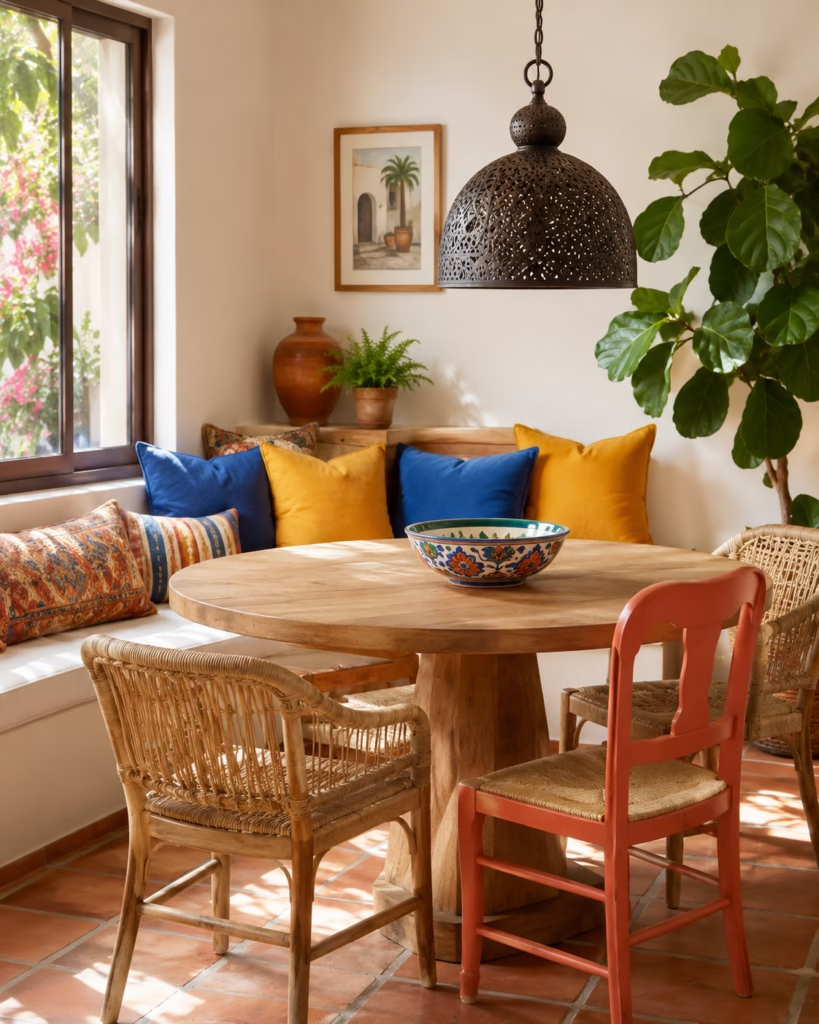
A Mexican-inspired dining space should feel ready for actual meals and conversation, not like a formal display that no one is allowed to touch.
Begin with a sturdy wood table, then add personality through mismatched chairs, woven seats, a painted bench, or cushions in two coordinated colors. A ceramic bowl or low arrangement of greenery makes an easy everyday centerpiece.
Lighting matters here. A warm pendant in iron, woven fiber, aged brass, or textured glass can make the table feel more intimate during evening meals.
Keep the tabletop mostly open so the room remains useful. I like low decor because it allows people to see one another across the table and does not have to be removed before every meal.
For more furniture, rug, and lighting guidance, see these modern dining room ideas.
8. Add Pattern to the Kitchen in a Controlled Way

The kitchen is a natural place for colorful tile, painted cabinetry, pottery, and open shelving. The challenge is deciding where the pattern should stop.
Choose one focal area, such as a backsplash behind the range, a small tiled section above the sink, the front of an island, or one open shelf filled with artisan ceramics. Let the surrounding cabinets and counters remain simpler.
Warm white, cream, natural wood, terracotta, and deep green provide a calm background for multicolored tile. Cobalt or red accents can then be repeated through dish towels, bowls, or a small painted stool.
Renters can try removable tile products on a clean, compatible surface after testing a sample. Homeowners planning a functional center for the room may also find inspiration in these DIY kitchen island ideas for small kitchens.
Common Mistake to Avoid
Do not combine a detailed backsplash, heavily patterned floor, multicolored cabinets, crowded open shelves, and bright countertops in one small kitchen. Choose one hero pattern and give it quieter materials to work against.
9. Build an Artisan-Focused Wall Display

Wall decor is an opportunity to show pieces with a story. Instead of buying a ready-made matching gallery set, combine a woven hanging, framed textile, small painting, ceramic plate, carved object, or handmade paper art.
Begin with the largest item and build outward. Leave visible space between each object so details are not lost. A wall display usually feels more intentional when the arrangement shares a color or material.
This works above a sofa, dining bench, stair landing, or entryway console. In a small room, three substantial pieces may look better than twelve tiny ones.
Take time to learn what you are displaying. Avoid treating ceremonial, sacred, or culturally significant objects as anonymous decoration. When a piece has a known origin or maker, keep that information with it.
10. Use Warm Metal Lighting and Decorative Details

Iron and warm-toned metal can add contrast to clay, wood, cotton, and colorful ceramics. Try a black iron pendant, punched-metal lantern, aged brass mirror, simple candleholder, or dark metal curtain rod.
Lighting should create atmosphere without making the room feel dim. Pair a decorative fixture with practical lamps or recessed lighting so the space works during everyday tasks.
This look is especially effective in dining rooms, covered patios, entries, and bedrooms. A dark metal fixture can outline the room and stop warm colors from looking overly sweet.
Repeat the metal finish two or three times. For example, pair an iron pendant with black picture frames and small cabinet pulls. Repetition helps the finish feel intentional.
11. Turn a Patio Into a Courtyard-Inspired Retreat

Outdoor spaces are ideal for terracotta, greenery, painted furniture, ceramic planters, and warm evening light. Even a small apartment balcony can capture the feeling of a relaxed courtyard.
Begin with two or three large planters rather than many tiny pots. Combine leafy plants, herbs, and flowering varieties that suit your local climate and the amount of sunlight the area receives.
Add a compact wood or metal table, weather-resistant cushions, and a washable outdoor rug. String lights or a rechargeable lantern can make the space more comfortable after sunset.
Use cobalt, clay, marigold, and green in a controlled palette so the balcony stays visually open. These easy DIY patio projects for beginners offer more approachable ways to add painted pots, planting areas, lighting, and seating.
12. Style a Warm and Practical Entryway

The entryway sets the tone for the rest of the home, making it a good place to introduce color and craftsmanship without decorating an entire room.
Use a narrow rustic console or wood bench as the foundation. Add an arched mirror, ceramic bowl for keys, woven basket for shoes, small piece of art, and one plant or branch arrangement.
Keep enough empty surface for daily routines. The goal is to create a welcome, not another area that collects clutter. In a small apartment, a floating shelf can replace a full console.
Repeat one color from the entryway in the adjoining room so the transition feels natural. For storage, lighting, mirrors, and small-space layouts, browse these DIY entryway makeover ideas.
Budget Tip
Start with what you already own. A plain wood stool can become a plant stand, a colorful bowl can hold keys, and a woven blanket can refresh a neutral sofa. Complete one area before buying decor for the next room. These easy DIY projects for first-time homeowners can help you plan manageable updates.
Conclusion
Mexican-inspired decorating works best when it feels warm, personal, useful, and connected to real craftsmanship. The goal is not to fill every room with bright colors or recognizable motifs. It is to create balance through natural materials, expressive color, handmade details, greenery, and comfortable spaces for everyday life.
Begin with one of these Mexican home decor ideas that fits your current room. A ceramic bowl, patterned rug, arched mirror, embroidered cushion, or cluster of terracotta planters may be enough to shift the entire atmosphere.
Build the room slowly and allow each piece to have space. A home that feels collected over time will usually remain more comfortable and meaningful than one decorated around a temporary theme.
For a simple way to bring more color and softness into your living area, revisit these layered rug living room ideas.
FAQ
What colors are commonly used in Mexican-inspired home decor?
Warm white, terracotta, clay, cobalt blue, marigold, coral, jade green, deep red, and natural wood tones work well. You do not need to use all of them. Choose one or two stronger colors and balance them with warm neutrals.
How can I decorate in this style without making my home look themed?
Focus on materials instead of symbols. Use handmade ceramics, natural wood, woven textiles, iron lighting, plants, and one or two colorful accents. Avoid filling every surface with matching motifs.
Can Mexican home decor work in a modern house?
Yes. Keep the architecture and large furniture simple, then add warmth through pottery, textiles, art, plants, and color. A modern room often provides a clean background for handcrafted pieces.
How can renters add Mexican-inspired decor?
Use removable wallpaper or tile where appropriate, colorful cushion covers, rugs, freestanding shelves, arched mirrors, pottery, baskets, and container plants. Always test adhesive products and review rental rules before installation.
What is the easiest room to decorate first?
The entryway, dining area, or living room is a good starting point. These spaces can be refreshed with a rug, ceramic piece, mirror, textile, or plant without requiring plumbing or permanent construction.
How do I mix several bright colors without creating clutter?
Choose one dominant color and one secondary shade, then repeat them in small amounts. Use warm white, wood, clay, and natural fibers as visual resting points between brighter pieces.
Where should I buy Mexican artisan decor?
Look for artist-run shops, established craft cooperatives, reputable fair-trade retailers, galleries, and sellers who clearly name the maker or region. Avoid listings that use cultural terms without explaining where or how the item was made.