
The first few weeks in a new home can feel exciting and slightly overwhelming at the same time. You notice the little things more clearly once the boxes disappear. A draft slips beneath the front door. The bathroom caulk looks tired. The entryway has nowhere to hold your keys. One blank bedroom wall makes the room feel less settled than you expected.
The best easy DIY projects for first-time homeowners start small. They solve everyday problems, improve the way a room feels, and teach useful skills without turning the weekend into a stressful renovation. You do not need a workshop full of tools. You need a clear plan, a measuring tape, and the patience to work through one manageable project at a time.
Start with the update that will make daily life easier. Confidence usually follows.
Why Beginner-Friendly DIY Projects Matter
A new homeowner often feels pressure to fix everything at once. That approach usually leads to rushed purchases, half-finished jobs, and a house filled with temporary solutions. A better plan begins with projects that offer a visible result and a practical benefit.
These easy DIY projects for first-time homeowners help you understand how your home works. You learn how to prepare a wall, seal a gap, organize a small zone, or choose hardware that suits the existing finishes. Better Homes & Gardens’ weekend-project guide follows a similar idea: focused updates can improve both the appearance and function of a home without a large renovation.
Small wins matter. Each finished project makes the next one feel less intimidating.
Before You Start: Build a Small Homeowner Tool Kit
You do not need to buy every tool on your first trip to the hardware store. Begin with the basics: a tape measure, hammer, screwdriver set, adjustable wrench, utility knife, level, pliers, painter’s tape, putty knife, caulk gun, safety glasses, gloves, and a stable step ladder or step stool.
The Home Depot’s homeowner tool guide offers a useful overview of common hand tools and safety gear. Add tools gradually as projects require them. Borrow or rent specialty equipment when a one-time task does not justify a purchase.
Keep everything in one box or cabinet. A simple system saves time and makes small repairs feel easier to begin.
Know When to Pause and Call a Professional
A beginner-friendly project should feel clear after you read the instructions and inspect the area. Stop when you find structural damage, active leaks, widespread mold, gas lines, complex electrical wiring, or plumbing work beyond a simple fixture accessory. Hire a qualified professional for jobs that exceed your skill level.
Use a ladder only on stable ground and ask someone to spot you when needed. The CPSC outdoor-repair safety checklist advises ladder users to work with a partner, avoid the top rung, and keep ladders away from live wires.
Good DIY work includes knowing where your limits begin.
1. Paint the Inside of the Front Door
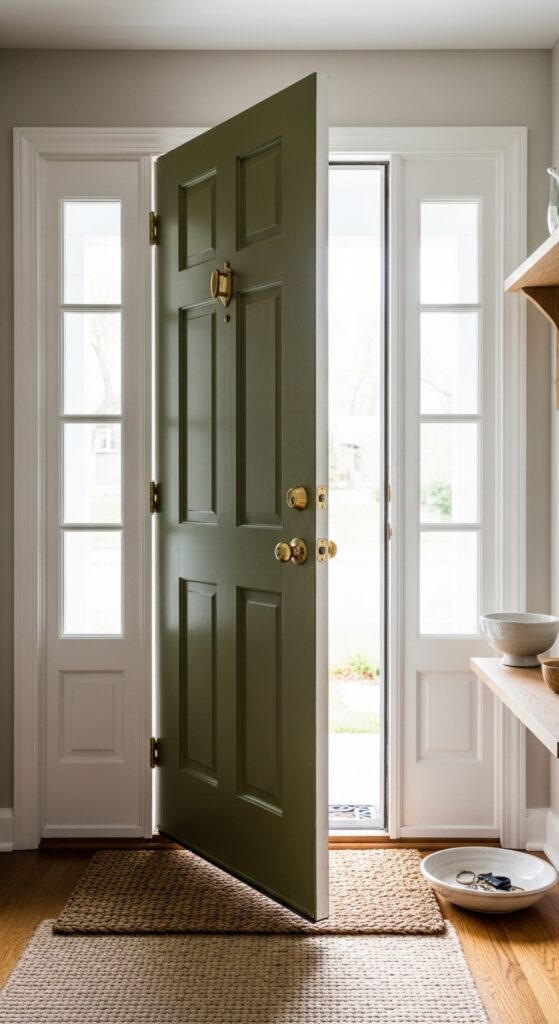
The inside of the front door offers a manageable first painting project because it creates a clear focal point without requiring several days of work. Try muted olive, dusty blue, deep mushroom, warm charcoal, or earthy terracotta. A thoughtful color can make the entryway feel more welcoming as soon as you walk inside.
Better Homes & Gardens’ front-door ideas show how color and simple details can improve the entrance of a home. Clean the door, prepare the surface correctly, and test the shade beside the flooring and trim. Avoid skipping preparation or choosing a color from a phone screen alone. If your entryway still needs structure, save these DIY entryway makeover ideas.
2. Replace Basic Cabinet Knobs and Pulls
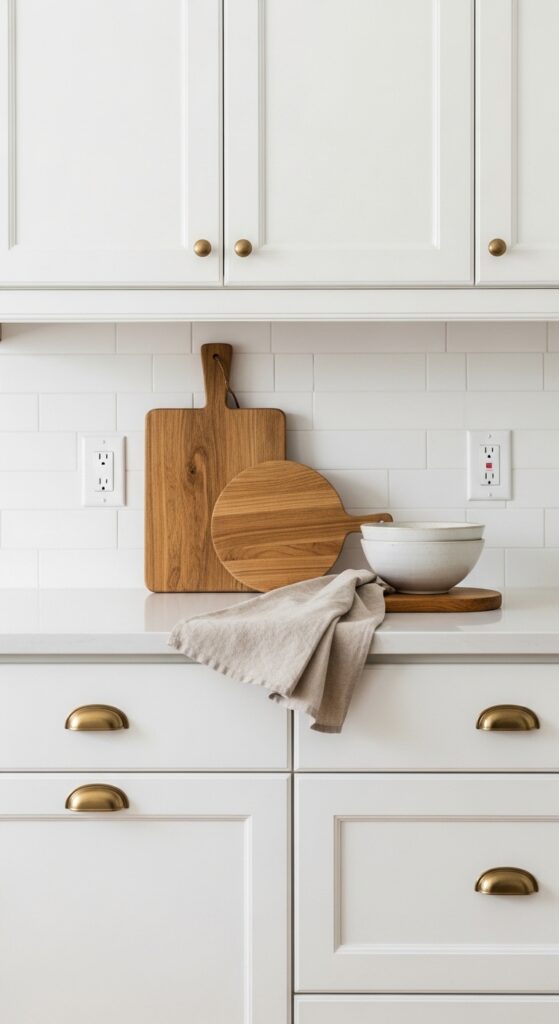
Cabinet hardware acts like a repeated design detail across a kitchen, bathroom, or laundry room. Replacing dated knobs with brushed brass, aged bronze, matte black, or warm nickel can make basic cabinets feel more intentional without replacing the doors.
Measure the distance between existing screw holes before buying anything. Choose hardware that fits the current holes so you avoid drilling new ones. Remove one handle, take it with you when shopping, and keep every original piece in a labeled bag. Tighten the new hardware gently so you do not damage the cabinet face.
Avoid mixing too many metal finishes in a small room. One consistent choice creates a calmer look. For related kitchen updates, browse these apartment kitchen upgrades without renovation.
3. Refresh Old Bathroom Caulk
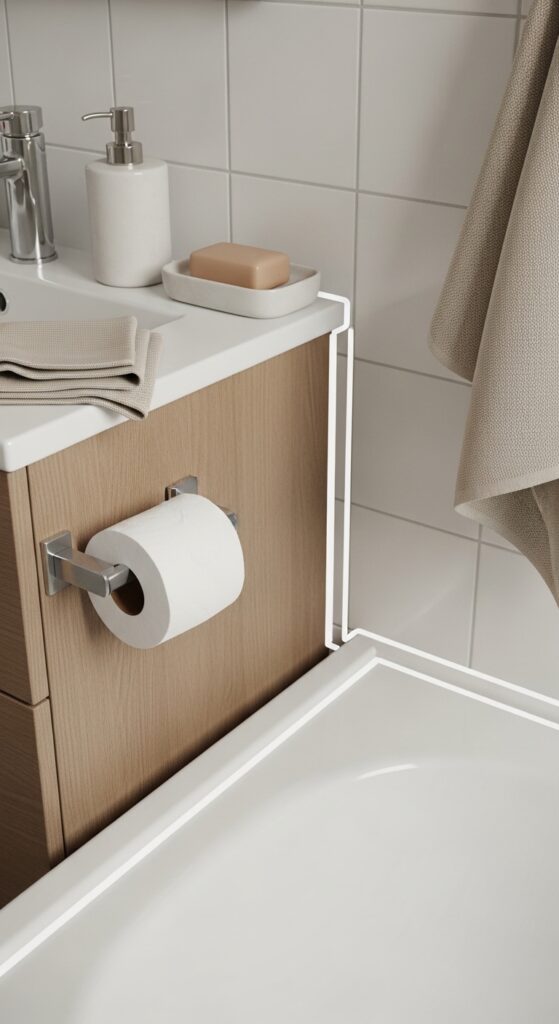
Fresh caulk can make a bathroom look cleaner while helping seal the edges around a sink, tub, or shower. This project works well for beginners because it teaches surface preparation, steady application, and patience during curing.
The Home Depot’s caulking guide recommends using painter’s tape to keep caulk where you need it and create a neater finish. Remove failing material first, clean the area, allow it to dry, and choose a product suited to the location. Follow the curing instructions before exposing it to water.
Do not cover serious moisture damage or persistent mold with a new line of caulk. Address the underlying issue first. For a fuller refresh, read these small bathroom makeover ideas on a budget.
4. Add Weather Stripping Around a Drafty Door
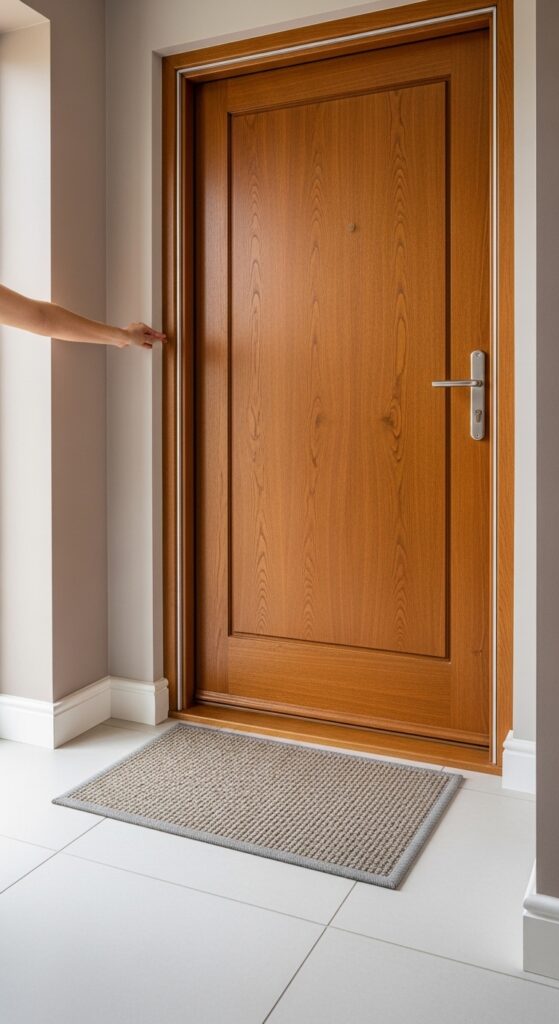
A drafty exterior door can make a room feel uncomfortable even when the furniture and decor look polished. Weather stripping offers a practical beginner project because it improves the seal around movable parts such as doors and operable windows.
The U.S. Department of Energy’s weather-stripping guide explains that weather stripping suits movable components, while caulk works better for stationary cracks and gaps. Inspect the door, clean the surface, measure carefully, and choose a material suited to the gap and door type. Check that the door still closes smoothly after installation.
Avoid forcing a thick strip into a narrow space. A poor fit can make the door difficult to close. If you notice a larger issue around the frame, ask a professional to inspect it.
5. Install a Water-Saving Faucet Aerator
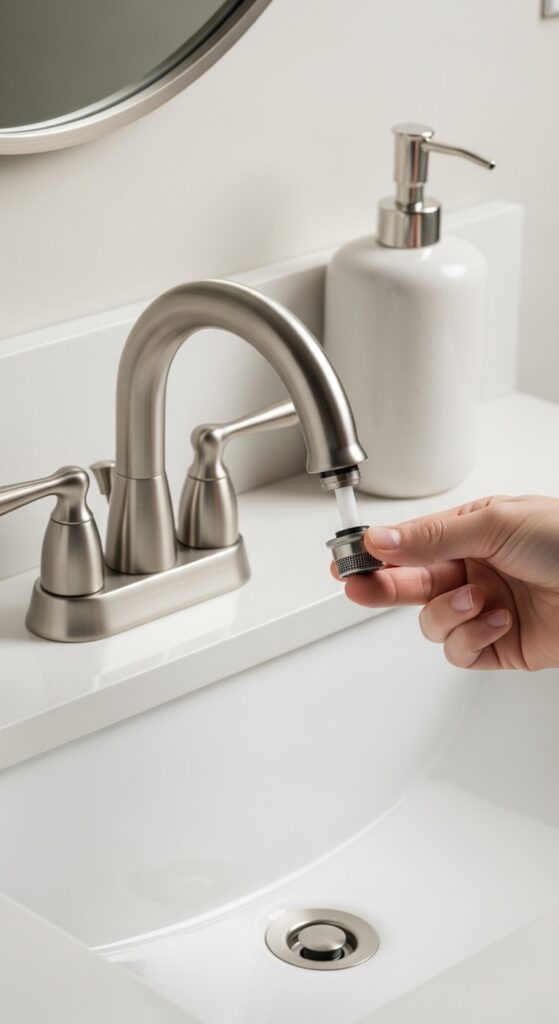
A faucet aerator offers one of the simplest useful upgrades in a new home. It attaches to the end of a compatible faucet and can improve water efficiency without changing the entire fixture. This works well in bathrooms and kitchens where the existing faucet still functions properly.
The EPA WaterSense program helps homeowners identify water-efficient products. Check your faucet type, measure the thread size, and follow the product instructions. Turn off the faucet, remove the old aerator carefully, clean the threaded area, and install the new piece without overtightening it.
Avoid forcing a part that does not fit. Watch for leaks after installation. A small drip means you need to check the washer or compatibility before moving on.
6. Create a Simple Entryway Drop Zone
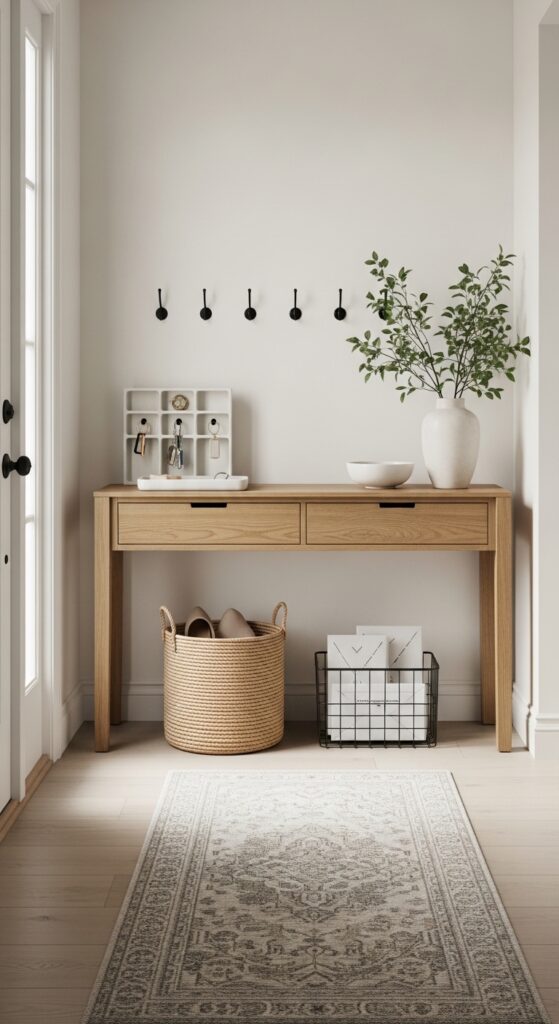
A home feels calmer when keys, bags, mail, and shoes have a predictable place near the door. Build a small drop zone with a slim shelf or console, one tray, a basket, and a short row of hooks. This project can improve the whole home because it stops clutter before it travels into nearby rooms.
Start by watching where your belongings naturally land. Place the tray within easy reach, use a basket for shoes or reusable bags, and keep hooks at a practical height. Repeat a few materials, such as warm wood, woven fibers, and matte metal, to create visual harmony.
Avoid overcrowding the entrance with furniture. A clear walking path matters more than extra storage. These DIY entryway makeover ideas offer more layouts for compact spaces.
7. Add a Peel-and-Stick Backsplash or Small Floor Zone
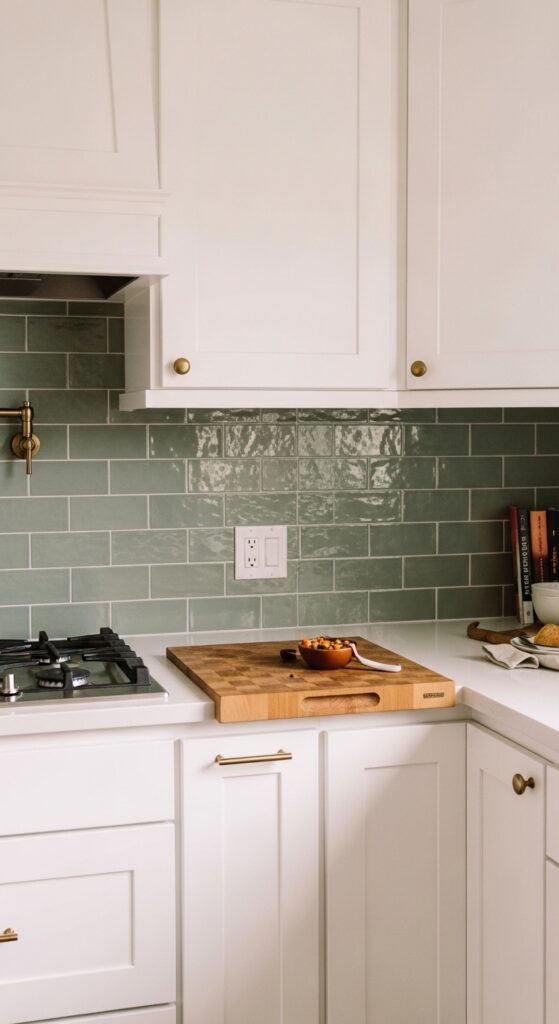
Peel-and-stick materials can help a first-time homeowner practice measuring, aligning, trimming, and working slowly. Start with a contained area: a short backsplash run behind the counter, a powder-room floor, or a small entryway zone. A quiet checkerboard, soft stone effect, muted geometric print, or zellige-inspired backsplash can add character without overwhelming the room.
Order samples first and inspect the existing surface. It should remain clean, smooth, dry, and suitable for adhesive products. Test removal in a discreet location when needed. Plan the pattern from the most visible sightline and keep extra pieces for mistakes.
Avoid using wall-rated tiles on the floor or covering moisture damage. For inspiration, browse these peel-and-stick floor tile ideas and apartment kitchen upgrades without renovation.
8. Organize a Small Bathroom Without Drilling
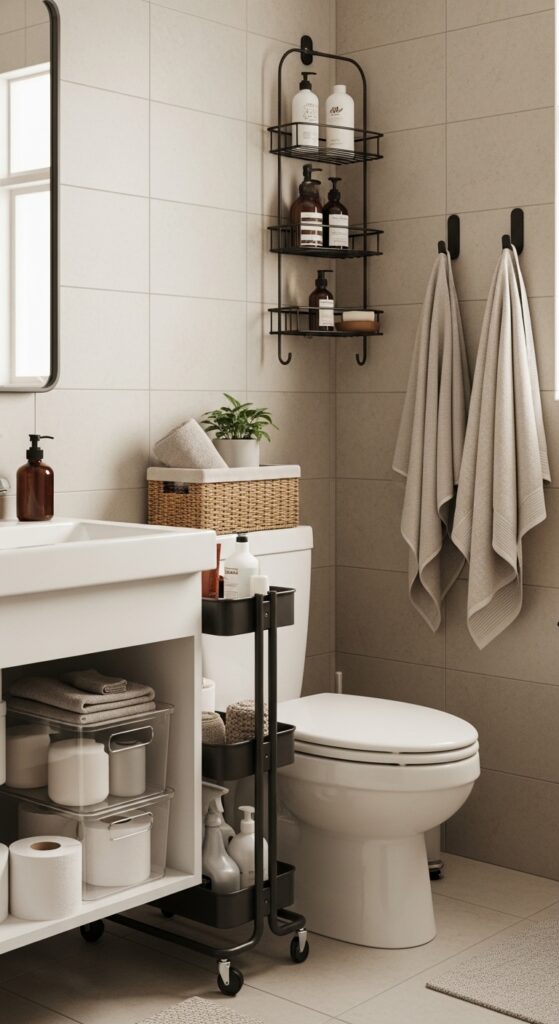
A no-drill bathroom organization project offers a useful way to improve daily routines without committing to built-in storage. Use a tension-pole shower caddy, adhesive hooks suited to the surface, a slim rolling cart, stackable under-sink drawers, or an over-the-door organizer.
Begin by clearing the counter and sorting products into daily essentials, backups, cleaning items, and things that belong elsewhere. Measure the available gaps before shopping. Choose one or two solutions rather than filling the room with organizers. Keep the countertop mostly open so the bathroom feels easier to clean.
Avoid applying adhesive storage to an unsuitable wall or tile without checking the instructions. These no-drill bathroom storage ideas provide room-by-room guidance.
9. Style a Bedroom Accent Wall
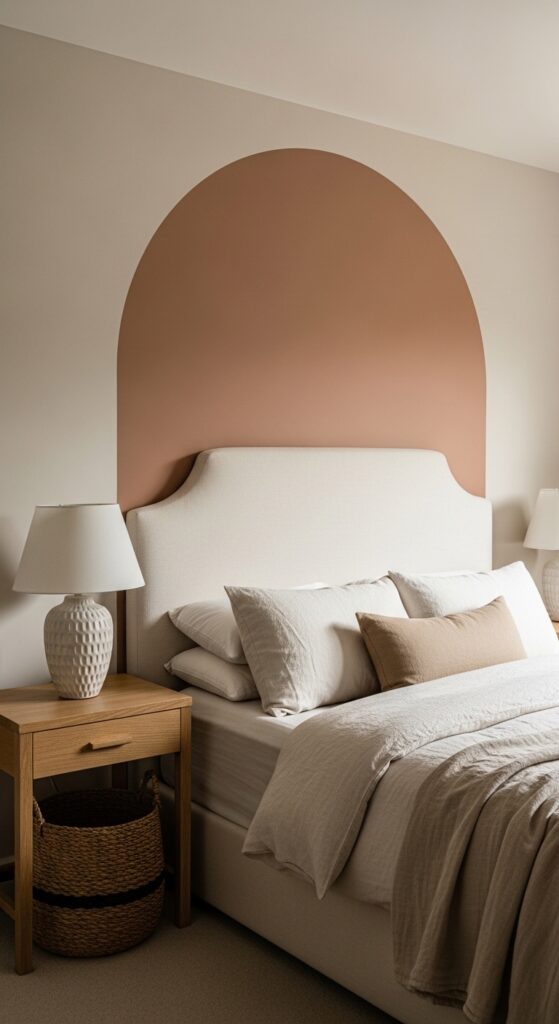
A bedroom wall makeover offers a forgiving way to practice color, balance, and scale. Paint one wall behind the bed, create a simple rounded arch, or apply removable wallpaper with a muted botanical, linen-look, or striped pattern. A focused wall can make the bed feel anchored without adding bulky furniture.
Choose one lead feature and let the bedding remain quiet. Warm neutrals, clay tones, muted olive, and soft blue-gray work well with oak, linen, woven baskets, and ceramic lamps. Test paint or wallpaper samples under morning and evening light.
Avoid adding several competing patterns or many small artworks over a detailed wallpaper print. For more options, browse these budget-friendly bedroom wall makeovers and removable wallpaper ideas for small rooms.
10. Create a Small Balcony Herb Corner
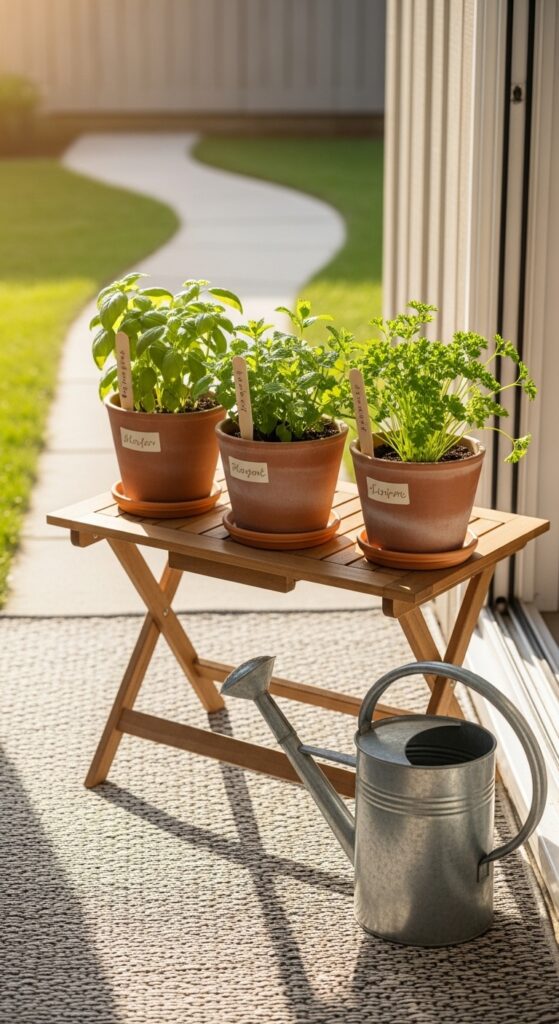
A balcony, patio, or sunny doorstep can become a useful first gardening project. Start with two or three herbs that suit the available light and your local climate. Use coordinated containers with drainage, one small stool or folding table, and a watering routine you can realistically maintain.
A layered arrangement works well in limited space. Keep taller pots toward the back, place smaller herbs within easy reach, and leave the walkway clear. Terracotta, warm stone, and muted charcoal containers bring natural materials into the outdoor area without making it feel busy.
Avoid buying many plants before you understand the sunlight and wind conditions. Begin with a manageable group and learn how each plant responds. These balcony makeover ideas for apartments offer more compact outdoor layouts.
11. Test Smoke Alarms and Build a Home Maintenance Station
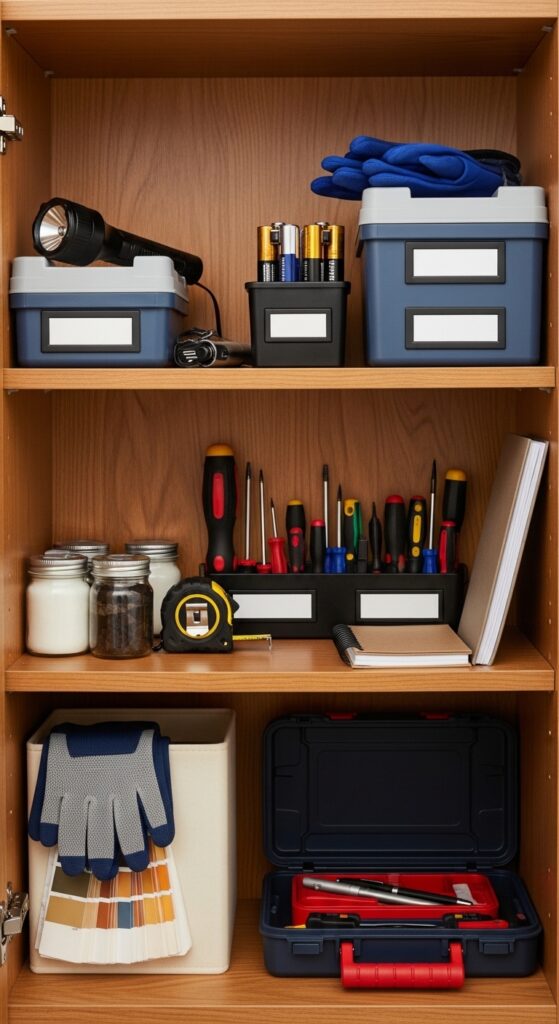
Not every valuable DIY project appears in a styled room photograph. A simple home maintenance station can make your first year of ownership feel far more organized. Choose one drawer, cabinet, or labeled box for spare batteries, a flashlight, basic tools, appliance manuals, paint notes, and a small notebook for maintenance dates.
The NFPA smoke-alarm guidance recommends testing alarms at least once a month with the test button. Add a recurring reminder and note the locations of your smoke alarms. Learn where the main water shutoff and electrical panel sit, but call a qualified professional when a repair exceeds your experience.
Avoid treating maintenance as an emergency-only task. Small checks feel easier when they become routine.
A Final Styling Rule: Finish One Useful Project Before Starting Three More
A new home can make every idea feel urgent. Resist the temptation to start several rooms at once. Choose one project that improves an everyday routine, complete it properly, then notice what the home needs next.
Repeat a few finishes across nearby rooms instead of buying unrelated decor for every corner. Brushed brass hardware can connect the kitchen and bathroom. A warm wood shelf can relate to the entryway console. Muted olive paint can appear again through a cushion, planter, or small artwork.
The most successful easy DIY projects for first-time homeowners combine patience with purpose. They solve a problem, teach a skill, and make the home feel a little more settled each week.
Frequently Asked Questions
What DIY project should a first-time homeowner start with?
Start with a small project that improves daily life and requires only basic tools. Replacing cabinet hardware, painting the inside of a front door, organizing an entryway, or refreshing bathroom caulk can build confidence without creating a large mess.
Which basic tools should every new homeowner own?
Begin with a tape measure, hammer, screwdriver set, adjustable wrench, pliers, utility knife, level, painter’s tape, putty knife, caulk gun, gloves, safety glasses, and a stable step stool or ladder. Add specialty tools only when a project requires them.
Which home repairs should beginners avoid doing themselves?
Avoid complex electrical work, gas-line repairs, structural changes, major plumbing, roof work, and repairs involving widespread mold or active leaks. Hire a qualified professional when the instructions feel unclear, the risk feels high, or local rules require licensed work.
How can I improve my first home on a small budget?
Focus on updates with a strong visual or practical impact: paint, cabinet hardware, caulk, weather stripping, entryway storage, bathroom organization, and a small peel-and-stick project. Work room by room and choose reusable pieces before buying extra decor.
How do I keep DIY projects from looking unfinished?
Measure carefully, prepare surfaces, follow product instructions, and allow enough time for curing or drying. Keep the design simple. One cleanly finished update usually looks better than several rushed details competing for attention.
Let Your Home Teach You What It Needs
Your first home does not need to look finished during the first month or even the first year. It should become more useful and more personal as you learn its routines. The door that lets in a draft will teach you about weather stripping. The crowded bathroom counter will show you where storage matters. The blank wall behind the bed will help you understand color and scale.
The best easy DIY projects for first-time homeowners create more than a polished room. They build trust in your own decisions. Start with one small task. Take your time. Learn from the details. Then let the home grow with you, one thoughtful weekend at a time.
3 thoughts on “11 Easy DIY Projects for First-Time Homeowners”